

Can a Dentist Help With Sleep Apnea?

can a dentist help with sleep apnea

Sleep apnea, a potentially serious sleep disorder, affects millions of people worldwide. It compromises the quality of sleep, poses significant health risks, and impacts daily functionality. While many connect sleep apnea treatment with medical professionals alone, it may come as a surprise that dentists can play a critical role too.


Dental practitioners trained in sleep dentistry can offer innovative solutions and personalized care to patients suffering from sleep apnea. Let us discover the ways dentists can help diagnose, manage, and treat sleep apnea, offering hope for a better night's sleep and improved overall health.


1. Identification and Diagnosis

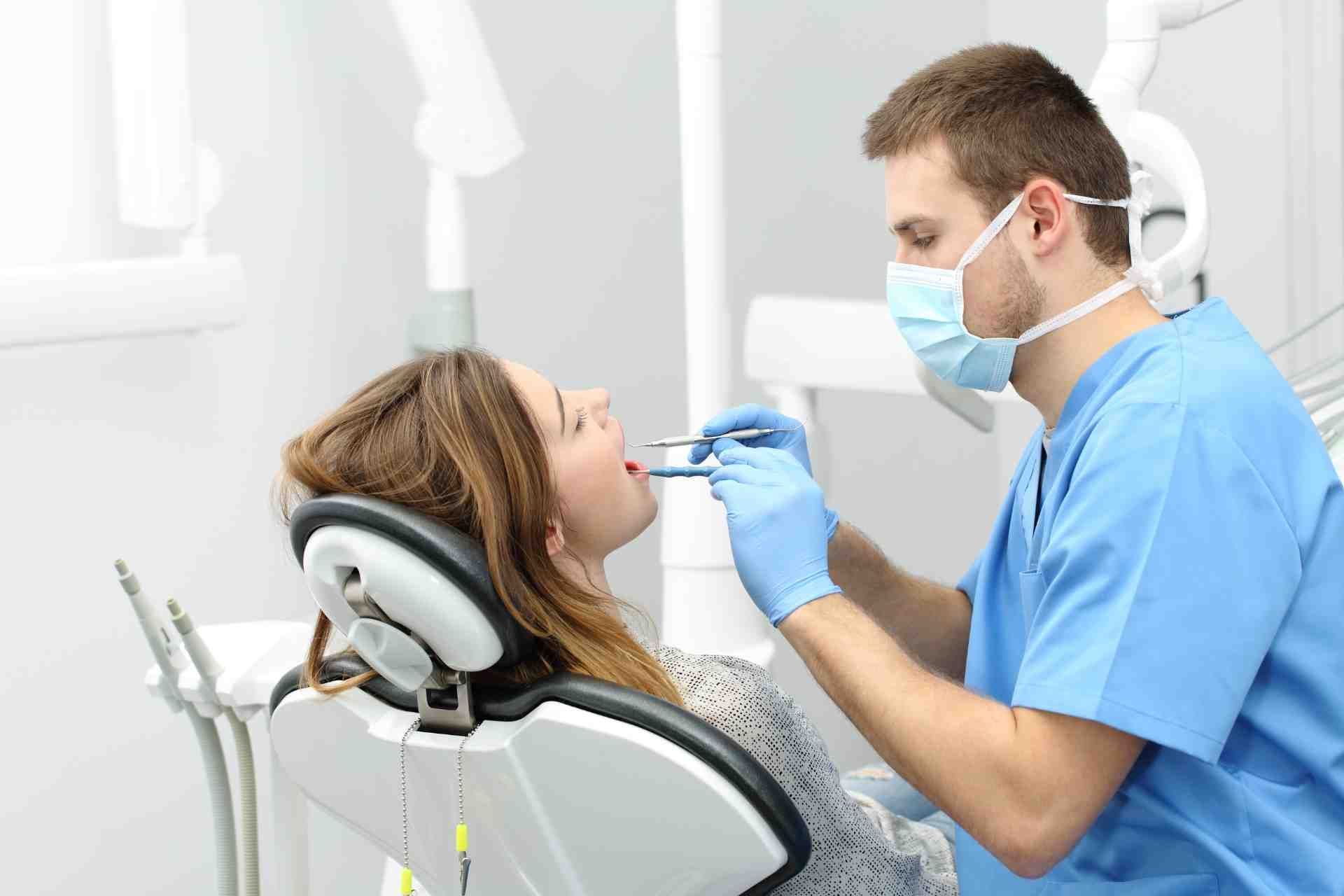
While individuals often consult their physicians regarding sleep apnea concerns, dentists can aid in the identification and diagnosis process. During routine dental check-ups, a dentist may ask patients a series of questions related to their sleep, such as snoring frequency or excessive daytime sleepiness. If any red flags arise, dentists can conduct a thorough examination of the oral cavity, including the jaw, tongue, and airway, to identify potential contributing factors.


2. Collaborative Efforts with Medical Professionals

Once a patient has been identified as potentially having sleep apnea, dentists can collaborate with medical professionals to ensure accurate diagnosis and comprehensive treatment planning. They may refer patients to sleep medicine specialists for polysomnography—a comprehensive sleep study that measures brain activity, oxygen levels, and breathing patterns during sleep, confirming the presence and severity of sleep apnea.


3. Customized Oral Appliances

Dentists trained in sleep apnea treatment can fabricate custom oral appliances tailored to address each patient's specific needs. These appliances, also known as mandibular advancement devices (MADs) or oral splints, help keep the airway open during sleep. The dentist will take the necessary measurements and impressions to create a custom-fit device that positions the jaw forward, preventing airway obstruction and reducing snoring and apnea episodes.


4. Monitoring Progress and Adjustments

Beyond designing and fitting oral appliances, dentists play an ongoing role in monitoring their effectiveness. Regular follow-up appointments allow for assessments of the patient's progress and the need for any necessary modifications. Dentists work closely with patients, taking feedback into account to optimize the appliance's fit and effectiveness.


5. Patient Education and Lifestyle Modifications

Dentists can educate patients about the importance of lifestyle modifications in managing sleep apnea. Offering guidance on maintaining a healthy weight, avoiding alcohol and sedatives before sleep, and promoting good sleep hygiene can significantly improve sleep quality and reduce sleep apnea symptoms. Dentists can also provide information on appropriate dietary choices and exercise routines beneficial for sleep apnea patients.


How a dentist can assist with sleep apnea?

Oral Appliance Therapy (OAT): This involves the use of a custom-made oral appliance, similar to a mouthguard or a dental retainer. The appliance is worn while sleeping and helps to reposition the jaw and tongue to keep the airway open. This can be particularly effective for individuals with mild to moderate sleep apnea.


Mandibular Advancement Device (MAD)

MAD is a type of oral appliance that advances the lower jaw forward slightly, which can help prevent the collapse of the tongue and soft tissues at the back of the throat.


Tongue-Retaining Device (TRD)

TRD is another type of oral appliance that holds the tongue in place to prevent it from blocking the airway during sleep.


Custom-Fitting and Monitoring

Dentists who are trained in dental sleep medicine can custom-fit these appliances to ensure they are comfortable and effective. They may also monitor the progress of treatment and make necessary adjustments.


Consult a Dentist for a Sleep Apnea Check

Sleep apnea is a pervasive sleep disorder that requires a multidisciplinary treatment approach. Dentists trained in sleep dentistry can be invaluable allies in the diagnosis, treatment, and management of sleep apnea, offering personalized care and innovative solutions. By collaborating with medical professionals, designing customized oral appliances, monitoring progress, and providing patient education, dentists can help patients achieve better sleep, improved overall health, and a brighter quality of life.


Severe cases of sleep apnea often require more intensive treatments, such as continuous positive airway pressure (CPAP) therapy.


If you suspect that you or someone you know may have sleep apnea, it's crucial to seek professional medical advice and undergo a proper sleep study for an accurate diagnosis.
Pennington Orthodontics & Pediatric Dentistry will be able to recommend the most appropriate treatment based on the severity and specific characteristics of sleep apnea.

7 Reasons to Visit a Local Pediatric Dentist
April 13, 2026
When it comes to your child's dental health, choosing a local pediatric dentist can make a significant difference. These specialists understand the unique needs of young patients
5 Qualities of the Best Pediatric Dentist
April 10, 2026
When it comes to finding the right pediatric dentist for your child, certain qualities can make all the difference. You want someone who not only understands children's unique needs
Services Offered by Pediatric Dentists
April 8, 2026
When it comes to your child's dental health, pediatric dentists provide essential services tailored just for them. From preventive care like check-ups and cleanings
Essential Questions to Ask Your Pediatric Dentist Near Me?
April 6, 2026
Finding the right pediatric dentist for your child can feel overwhelming. It's not just about convenience; you want someone who understands kids and their unique needs.
What to Look for in Pediatric Dentists?
March 11, 2026
You want a pediatric dentist who blends skill, safety, and a kid-first approach. Start by checking credentials and how they guide anxious children.
What to Expect from an Emergency Pediatric Dentist Visit?
March 9, 2026
When your child needs an emergency pediatric dentist, you want clear steps and calm guidance. You’ll check symptoms, call ahead, and prepare for a focused exam that targets pain and potential trauma.
Essential Questions to Ask Your Pediatric Dentist Near Me?
March 6, 2026
You want a pediatric dentist who’s qualified, patient, and prepared—but how do you know before the first appointment? Ask about credentials, behavior guidance
What to Know About Choosing a Pediatric Dentist?
March 4, 2026
You want a pediatric dentist who’s qualified, gentle, and practical—but knowing what to check can feel murky. You’ll weigh credentials, office vibe, behavior guidance, sedation safety, and preventive care like sealants or SDF.
How to Help a Nervous Child at the Dentist: Tips for a Stress-Free Visit
February 9, 2026
Taking your child to the dentist can often feel daunting, especially if they're anxious about the visit.
Understanding Pediatric Orthodontics: Signs Your Child May Need Braces
February 6, 2026
As a parent, spotting the signs that your child might need braces can be challenging.