Preparing your child with autism for their first dental visit can feel daunting. It’s important to consider their unique sensory needs and find a practice that accommodates them. By taking the right steps, you can help reduce anxiety and create a more comfortable experience. Let’s explore effective strategies that will ease this transition and ensure your child feels supported throughout the process.
Understanding Your Child's Sensory Needs
Understanding your child's sensory needs is crucial for a successful dental visit. Every child with autism experiences sensory input differently, so pay attention to what triggers or soothes your child. Bright lights, loud noises, and unfamiliar smells can overwhelm them.
Before the appointment, talk to your child about what to expect, using visual aids or social stories if it helps. Consider bringing along a comfort item, like a favorite toy or noise-canceling headphones, to ease anxiety.
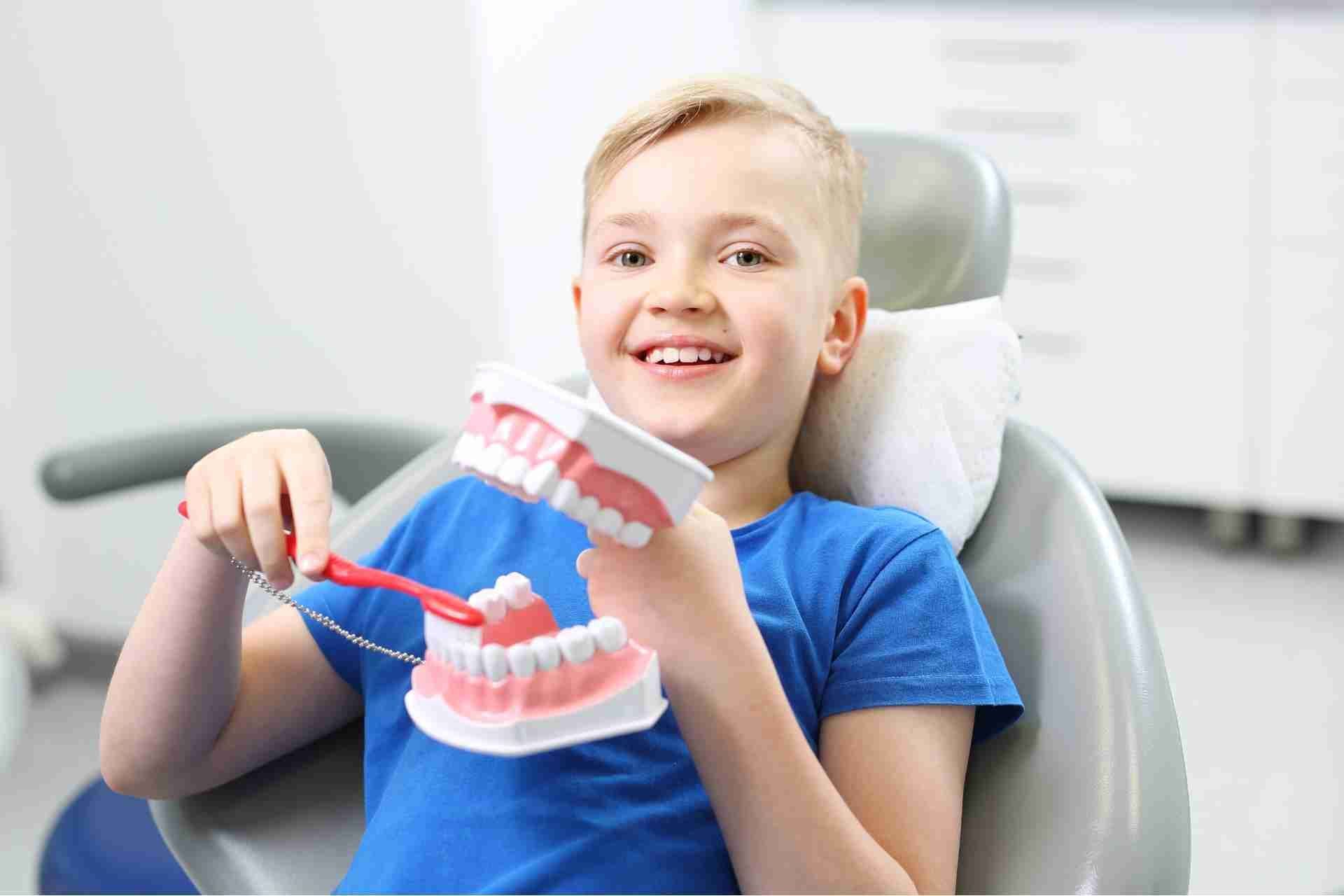
Practicing at home with a toothbrush can also familiarize them with the sensation of dental tools. By recognizing and accommodating your child's unique sensory preferences, you'll create a more positive dental experience, making future visits easier for both of you.
Choosing the Right Dental Practice
When selecting a dental practice for your child with autism, it’s essential to find a place that understands their unique needs. Look for a practice that specializes in pediatric dentistry and has experience working with children on the spectrum.
Visit their website or call to ask about their approach to autism-friendly care.
Check if the office environment is calm and welcoming, as a soothing atmosphere can make a big difference. Observe the staff’s demeanor; they should be patient and attentive.
Consider reading reviews from other parents to gauge their experiences. Finally, don’t hesitate to schedule a preliminary visit to see if the practice feels right for your child. This way, you can ensure a supportive and understanding environment for their dental care.
Scheduling the Appointment
After choosing a dental practice that suits your child's needs, the next step is scheduling the appointment.
Reach out to the office and inquire about their experience with children on the autism spectrum. It’s essential to find a time that aligns with your child’s routine, preferably during quieter hours to minimize sensory overload.
When you call, explain your child’s specific needs, and ask if they can accommodate any special requests.
Consider scheduling a short visit before the actual appointment, allowing your child to become familiar with the environment. This can help ease anxiety and make the process smoother.
Finally, mark the date on your calendar, and ensure you have all necessary information ready for the appointment day.
Preparing Your Child in Advance
To help your child feel more at ease about the upcoming dental visit, start by discussing what to expect in simple, clear terms. Explain that the dentist will look at their teeth and may use special tools. Use visuals, like pictures or videos, to illustrate the process. You might also want to read a social story together that outlines the visit step-by-step.
Next, consider visiting the dental office beforehand. This can familiarize your child with the environment. Point out friendly staff and dental chairs, which can help reduce anxiety.
Lastly, answer any questions your child has honestly and positively. Reinforce that the visit is a routine part of taking care of their teeth, emphasizing how it helps keep them healthy.
Practicing Dental Routines at Home
Practicing dental routines at home not only reinforces good habits but also helps your child feel more comfortable with the process.
Start by setting a consistent routine for brushing and flossing. Make it fun! Use a timer or play their favorite song to encourage them to brush for the recommended two minutes.
You can also role-play, where you pretend to be the dentist and your child is the patient, or vice versa. This helps demystify the experience.
Encourage your child to explore their toothbrush and toothpaste, letting them squeeze the paste onto the brush themselves.
Finally, celebrate small successes with praise or a sticker chart, which can motivate them to continue practicing these essential skills regularly.
Using Visual Supports
Visual supports can be a game changer when preparing your child with autism for a dental visit. These tools, like social stories or picture schedules, help your child visualize what to expect.
Start by creating a simple visual sequence of the dental visit, including steps like entering the office, sitting in the chair, and having their teeth checked. Use clear images or drawings that your child can understand.
You might also consider using a visual timer to show how long each part of the visit will take. By familiarizing your child with these visuals, you can reduce anxiety and help them feel more in control.
This preparation sets a positive tone for their first dental experience.
Communicating With the Dentist
After using visual supports to prepare your child, it's important to focus on how to communicate effectively with the dentist.
Start by sharing your child's needs and preferences with the dentist. Explain any specific challenges they may face, like sensitivity to sounds or difficulty with verbal communication. If your child has a communication device or specific cues they use, let the dentist know so they can engage appropriately.
Encourage the dentist to use simple language and clear, straightforward instructions. You might also consider scheduling a pre-visit meeting to allow your child to get familiar with the dental office and staff.
This collaboration helps create a supportive environment where your child feels understood and more at ease during their dental visit.
Managing Anxiety on the Day of the Visit
As you prepare for the dental visit, managing your child's anxiety becomes crucial for a smoother experience. Start by discussing the visit in a calm, positive manner. Use social stories or visual aids to illustrate what they'll encounter, making the unknown feel more familiar.
Consider role-playing the dentist visit at home, allowing your child to practice sitting in a chair, opening their mouth, and even using a toothbrush. On the day of the appointment, arrive early to give your child time to acclimate to the surroundings.
Bring a comfort item, like a favorite toy or blanket, to help ease their nerves. Lastly, offer plenty of praise and encouragement throughout the visit to reinforce their bravery and cooperation.
Following Up After the Appointment
Once you’ve completed the dental visit, it’s important to follow up with your child to reinforce their positive experience.
Take a moment to discuss what happened during the appointment. Ask them how they felt and listen to their thoughts. Acknowledge any fears they might've had, and celebrate any bravery they showed.
Consider creating a reward system for their bravery, like a sticker chart or a small treat. This helps build a positive association with dental visits.
Share positive feedback with them about their behavior and the dentist's compliments.
Lastly, remind them that they'll visit the dentist again, and it can be just as great next time. This way, you’re encouraging a healthy attitude toward dental care.
Conclusion
Preparing your child with autism for their first dental visit can make a big difference in their experience. By understanding their sensory needs and choosing the right practice, you help create a supportive environment. Practicing at home and using visual supports can ease anxiety, while clear communication with the dentist ensures everyone’s on the same page. Remember, each step you take helps build your child’s confidence, making future visits smoother and more positive.