


Advanced Digital X-Rays in Pennington, NJ
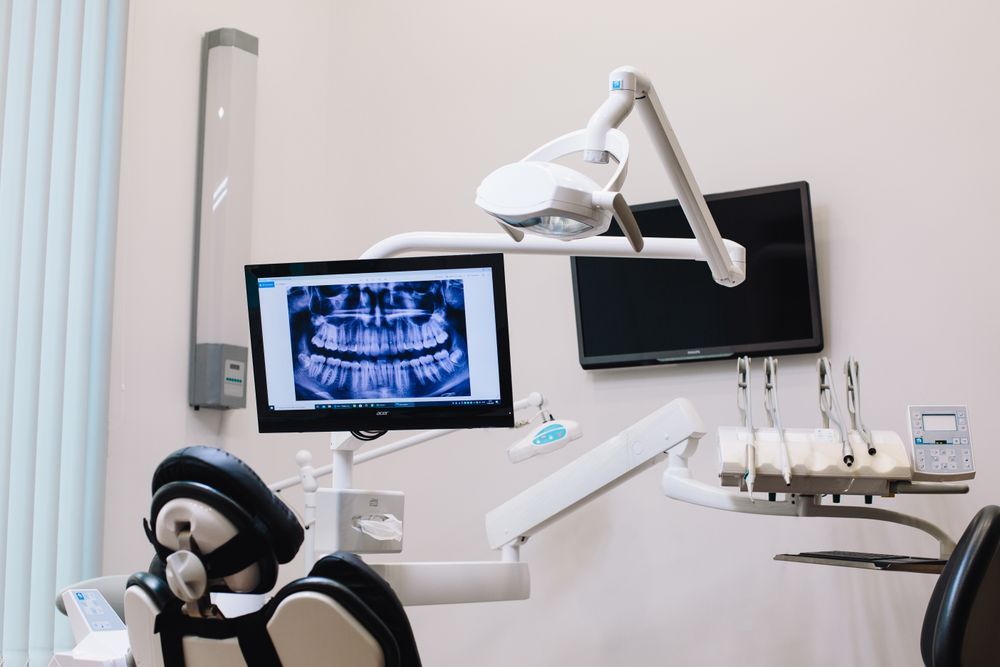
At Pennington Orthodontics and Pediatric Dentistry, we use digital radiographs to get a clear, detailed picture of your child's or your own oral health without the guesswork. Our digital imaging technology delivers high-resolution results while producing significantly lower radiation exposure than traditional film X-rays. Whether we are monitoring a child's developing teeth, planning orthodontic treatment, or evaluating a restorative concern for an adult patient, accurate imaging is the foundation of every care decision we make.
Modern Imaging in Pennington, NJ
Clearer Images, Less Radiation
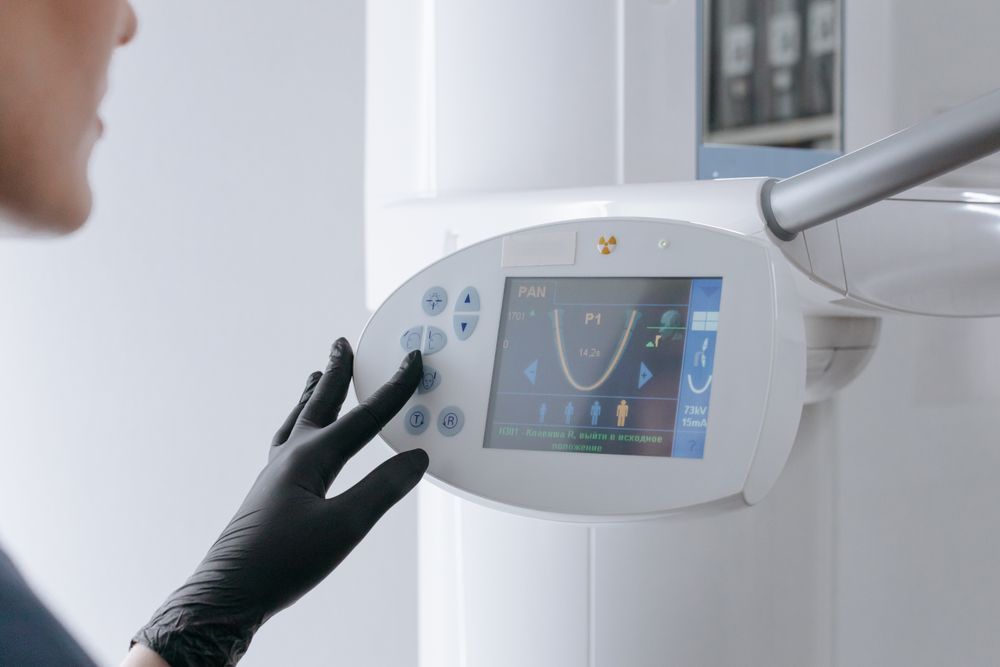
Traditional film X-rays have long been a standard part of dental care, but digital radiographs represent a meaningful step forward. Our digital X-ray system captures detailed images of teeth, roots, bone structure, and developing permanent teeth in a fraction of the time. The result is a sharper diagnostic picture that helps our clinical team spot cavities, monitor jaw development, and plan treatment with greater precision. For parents who are mindful of radiation exposure, the significantly reduced levels compared to conventional radiographs provide real peace of mind.
Safe for Kids and Adults
Imaging That Works for Every Age
Because POP Smiles serves children, teens, and adults under one roof, our imaging needs span a wide range of clinical situations. For younger patients, digital radiographs help us track the eruption of permanent teeth, identify early signs of decay, and assess whether space maintenance or early orthodontic intervention may be needed. For adult patients, the same technology supports evaluations for restorative procedures like root canals, bridges, implants, and dentures. One consistent imaging standard serves every member of the family, keeping care efficient and thorough at every visit.
Paired with Precision Technology
Digital X-Rays and iTero Scanning, Together
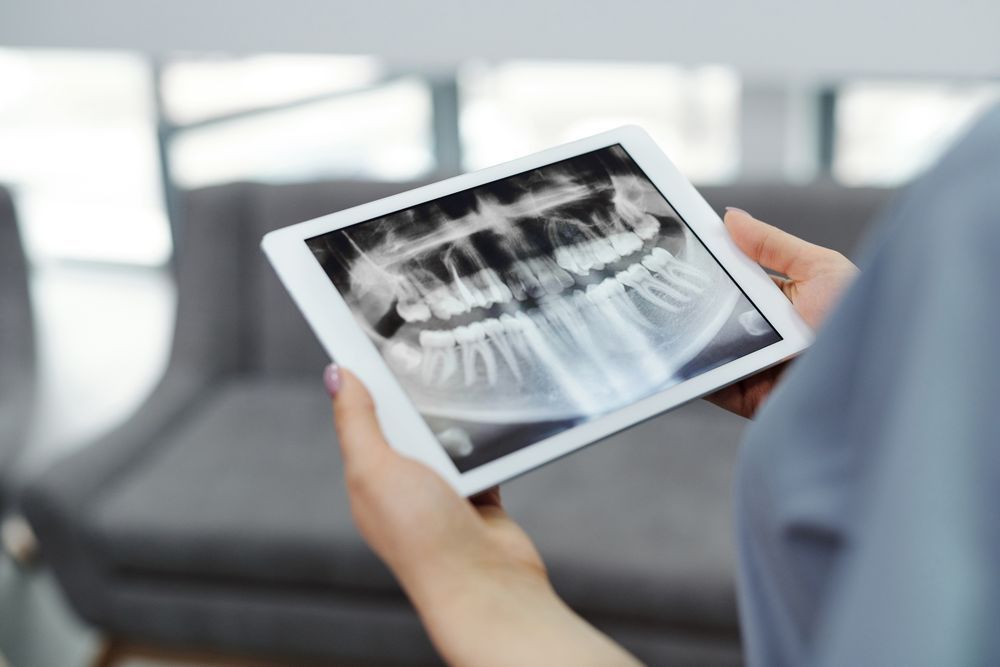
Our digital radiographs work alongside our iTero digital scanning system to give our clinical team a complete view of your oral health. While X-rays reveal what is happening beneath the surface, including bone levels, root positions, and hidden decay, the iTero scanner captures precise 3D images of teeth and bite relationships above the gumline. Together, these two technologies support accurate treatment planning for orthodontic cases, including Angel Aligners and traditional braces, as well as restorative and pediatric care. The combination means fewer surprises and more confident treatment decisions for both patients and providers.
Part of Comprehensive Care
Diagnostics Built Into Every Visit
Digital radiographs are not a standalone service at POP Smiles; they are woven into comprehensive exams and ongoing care. When a child comes in for a cleaning and fluoride treatment, digital X-rays help us confirm that sealants are doing their job and catch any early decay before it progresses. When an orthodontic patient is being evaluated for expansion therapy or interceptive treatment, imaging gives us the bone and root data we need to plan safely. This integrated approach reflects our commitment to thorough care for every patient, at every stage of their dental journey.
Your Questions, Answered
Frequently Asked Questions About Digital X-Rays
How are digital X-rays different from traditional film X-rays at the dentist?
Digital radiographs use an electronic sensor instead of photographic film to capture images of your teeth and jaw. The sensor transmits the image directly to a computer screen in seconds, so there is no film development wait time. The images can be enlarged, adjusted for contrast, and stored digitally for easy comparison at future visits. Most importantly, digital X-rays produce significantly lower radiation exposure than conventional film radiographs, making them a safer choice for patients of all ages, including young children.How often will my child need dental X-rays taken at POP Smiles?
The frequency of X-rays depends on your child's individual oral health needs, age, and risk factors for decay. For children who are actively developing their permanent teeth or who have a history of cavities, more frequent imaging may be recommended so our team can monitor changes and catch problems early. For patients with a lower risk profile, X-rays may be taken less often. Our clinical team makes these decisions based on each patient's specific situation rather than a one-size-fits-all schedule.Are digital X-rays safe for young children and toddlers?
Yes. Digital radiographs produce significantly lower radiation than traditional film X-rays, which makes them well suited for pediatric patients. Our team also uses appropriate protective measures during imaging. The diagnostic value of catching decay, monitoring jaw development, and identifying space maintenance needs early is an important part of keeping young patients healthy. Our clinical team weighs the benefit of each image against any exposure consideration and only takes X-rays when they are clinically warranted.What can digital X-rays detect that a visual exam might miss?
A visual exam gives our team a clear look at the surfaces of the teeth and gums, but it cannot reveal what is happening beneath the surface. Digital radiographs allow us to detect decay forming between teeth, assess the health of roots and surrounding bone, monitor the position of developing permanent teeth in children, and evaluate bone levels for restorative planning in adults. For orthodontic cases, imaging also shows root lengths and bone structure that guide safe treatment planning for braces, Angel Aligners, or expansion therapy.Do digital X-rays play a role in orthodontic treatment planning?
Yes. Digital radiographs are an important part of orthodontic evaluations at POP Smiles. They give our team a detailed view of root positions, bone levels, and jaw structure before recommending treatment like traditional braces, Angel Aligners, or palate expansion. This imaging is especially important for interceptive or early orthodontic treatment, where understanding the position of incoming permanent teeth helps us time intervention appropriately. Our digital X-rays are used alongside the iTero scanning system for a complete clinical picture.How do digital X-rays support restorative dental care for adults?
For adult patients seeking restorative care, digital radiographs provide the detailed bone and root information our team needs to plan procedures accurately. Before a root canal, X-rays help identify the extent of infection and the anatomy of the root canals involved. For implant planning, imaging reveals available bone volume. For bridges and other restorations, X-rays confirm the health of surrounding teeth and supporting structures. This level of diagnostic detail helps our team deliver precise, well-planned care for every restorative procedure we offer.What is the iTero scanner and how does it differ from digital X-rays?
The iTero digital scanning system is a separate technology from X-rays. Where digital radiographs capture images of internal structures like roots, bone, and hidden decay, the iTero scanner creates a precise 3D model of the teeth and bite as they appear above the gumline. The two technologies complement each other: X-rays show what is happening beneath the surface, and iTero shows the external anatomy in high detail. Together they give our clinical team a thorough picture that supports accurate planning for orthodontic and restorative treatments.
Families Across Pennington Trust POP Smiles
What Our Patients Are Saying
Wondering what it is like to receive care from our team? Read reviews from families who have visited Pennington Orthodontics & Pediatric Dentistry, and consider leaving your own review after your appointment.