

Pediatric Pulp Therapy in Pennington, NJ
When a child's tooth becomes deeply decayed or injured, the inner pulp tissue can become infected or inflamed. At Pennington Orthodontics and Pediatric Dentistry, our team is experienced in treating these situations with gentle, precise care. Pulp therapy is designed to remove damaged tissue, protect the remaining tooth structure, and keep baby teeth in place until they are naturally ready to fall out. Serving families in Pennington, Trenton, Princeton, and Hopewell, we work hard to make every visit as comfortable and stress-free as possible.
Pediatric Dental Care, Pennington NJ
Why Saving Baby Teeth Matters
Baby teeth are not just placeholders. They guide proper chewing, support clear speech development, and hold space in the jaw for incoming permanent teeth. When decay or injury reaches the pulp of a tooth, leaving it untreated can lead to pain, infection, and early tooth loss that disrupts the natural spacing your child needs. Pulp therapy allows our pediatric specialists to address the problem at its source, preserving the tooth so it can continue doing its job until it falls out on its own schedule. This approach is a core part of the preventive, long-term care philosophy we practice every day at POP Smiles.

What to Expect
Two Types of Pulp Treatment for Children
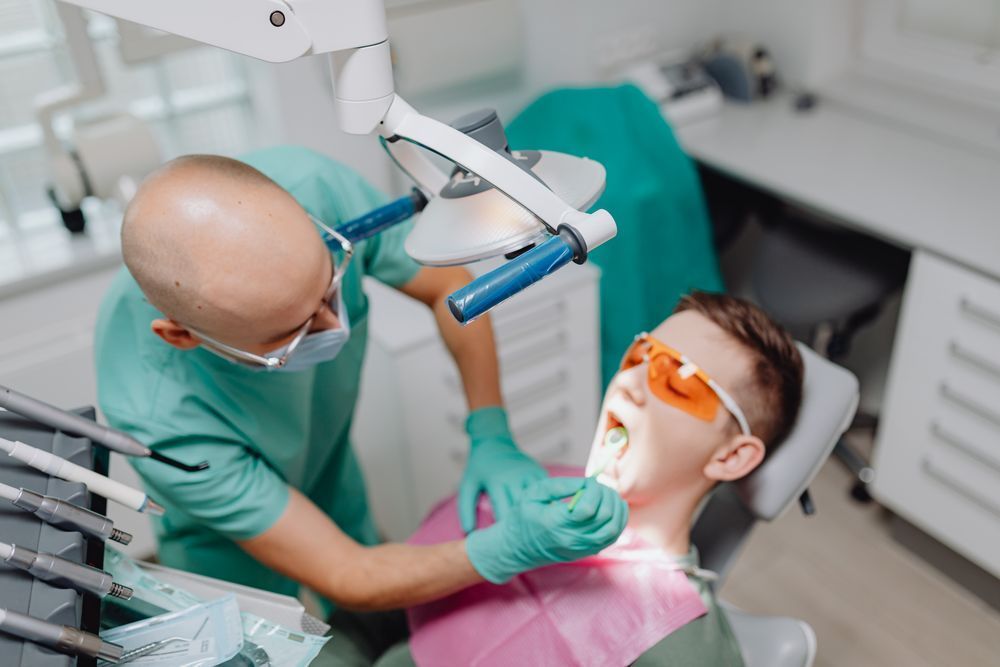
Pulp therapy for children generally falls into two categories, depending on how far the infection or damage has progressed. A pulpotomy removes only the affected portion of the pulp in the crown of the tooth while leaving the healthy root pulp intact. This is the most common approach and is often referred to as a "baby root canal," though it is a much simpler procedure than a root canal performed on an adult tooth. A pulpectomy goes a step further, removing pulp tissue from both the crown and the root canals when infection has spread more deeply. In both cases, the tooth is then sealed and typically restored with a durable crown. Our team uses zirconia and stainless steel crowns to protect the treated tooth, with tooth-colored zirconia crowns available for highly visible front teeth.
Our Approach to Comfort
A Bright, Welcoming Space Built for Kids
We understand that words like "pulp therapy" can sound intimidating to both parents and children. Our office in Pennington is intentionally designed to feel nothing like the dental offices of previous generations. The space is bright, colorful, and welcoming, and our staff uses child-friendly language throughout every appointment to keep anxiety low and confidence high. With more than 35 years of clinical experience behind our practice, parents can feel assured that their child is in skilled, caring hands. We treat every young patient as an individual, taking the time to explain each step in a way that feels approachable rather than alarming.
After Treatment
Restoring the Tooth and Protecting the Smile
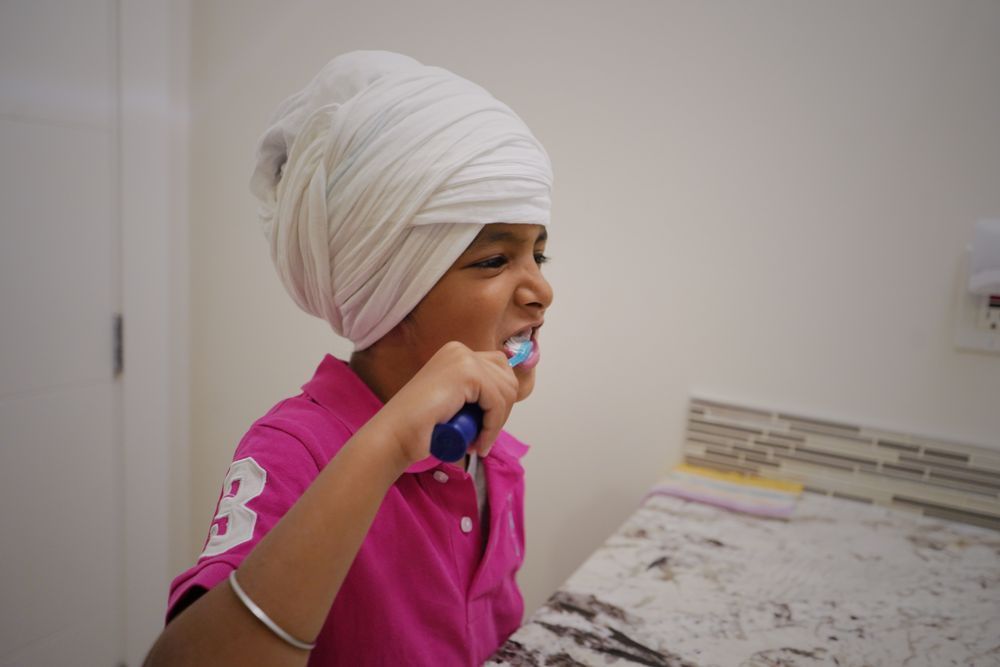
Once pulp therapy is complete, the treated tooth needs a protective crown to restore its strength and function. We offer both stainless steel and zirconia (monolithic zirconium dioxide) crowns, which are durable, hypoallergenic, and biocompatible. Zirconia crowns are 100% metal-free and closely match the natural color of a child's tooth, making them a popular choice for front teeth where appearance matters most. Our team will recommend the best option based on the location of the tooth and your child's specific needs. Keeping the restored tooth healthy with regular cleanings, fluoride treatments, and dental exams at our Pennington office helps protect the investment and supports your child's overall oral development.
Common Questions About Pulp Therapy
What Parents Ask Us Most
Is pulp therapy the same as a root canal?
Pulp therapy and adult root canals share the same basic goal of removing infected or damaged tissue from inside a tooth, but the procedures are not identical. A pulpotomy, the most common form of pediatric pulp therapy, removes only the affected pulp in the crown of the tooth while leaving healthy root tissue in place. A pulpectomy removes pulp from both the crown and the root canals when infection has spread further. Both are simpler and faster than a standard adult root canal, and our team uses child-friendly techniques to keep the experience as comfortable as possible.Does my child really need pulp therapy on a baby tooth if it will fall out anyway?
Baby teeth serve important functions beyond chewing. They hold space in the jaw for permanent teeth, support speech development, and help guide proper bite alignment. If an infected baby tooth is lost too early, neighboring teeth can drift into the gap and block the permanent tooth from erupting correctly. Pulp therapy preserves the tooth so it can remain in place until it falls out naturally, protecting your child's long-term dental development. Removing a severely infected tooth without a space maintainer can create orthodontic complications that are more involved to correct later.What type of crown is placed after pulp therapy?
After pulp therapy, the treated tooth is restored with a crown to protect it and restore normal function. We offer both stainless steel and zirconia crowns. Stainless steel crowns are highly durable and are often used on back molars. Zirconia crowns are 100% metal-free, hypoallergenic, and tooth-colored, making them a preferred option for front teeth where appearance is a priority. Our pediatric team will recommend the most appropriate crown based on the location of the tooth and your child's individual situation.How can I tell if my child might need pulp therapy?
Signs that a child may need pulp therapy include persistent toothache, sensitivity to hot or cold that lingers after the source is removed, visible swelling near a tooth, darkening of a tooth, or a small bump on the gum near a tooth. In some cases, deep decay identified during a routine exam may show no obvious symptoms yet still require treatment. Regular dental exams with digital radiographs at our Pennington office allow our team to catch these issues early, before they progress to a point where the tooth cannot be saved.Is pulp therapy safe for young children?
Yes. Pulp therapy is a well-established pediatric dental procedure performed routinely for young children. The materials used in treatment, including zirconia and stainless steel crowns and biocompatible sealing materials, are chosen specifically for their safety profile in pediatric patients. Our office uses digital radiographs, which deliver significantly lower radiation exposure than traditional X-rays, to accurately assess the extent of pulp involvement before treatment. Our team has more than 35 years of clinical experience and is trained to work with children of all ages, including those with dental anxiety.Will my child feel pain during or after the procedure?
Our team takes every step to keep children comfortable throughout pulp therapy. Local anesthesia is used to numb the area before treatment begins. After the procedure, some mild soreness around the treated tooth is normal and typically resolves within a day or two. We use child-friendly language throughout the appointment to reduce anxiety and explain each step in a way that feels reassuring rather than scary. Our bright, welcoming office in Pennington is specifically designed to help children feel at ease from the moment they walk in.How long does a pulp therapy appointment take?
The length of a pulp therapy appointment depends on the type of treatment needed and the specific tooth involved. A pulpotomy is generally a straightforward procedure and can often be completed in a single visit, including the placement of a crown. A pulpectomy, which involves treating the root canals as well, may take longer. Our team will give you a clear estimate of what to expect at your child's consultation. We work efficiently while never rushing, so your child receives thorough, careful treatment at every stage.Does POP Smiles offer payment plans for pulp therapy?
The practice offers payment plans to help families manage the cost of dental treatment, including restorative procedures like pulp therapy. Specific pricing details and plan terms are not listed publicly. Sibling discounts are also available for families with multiple children receiving orthodontic treatment at the practice.
Families Trust POP Smiles
What Our Patients' Parents Are Saying
Wondering what it is like to receive care from our team? Read reviews from families who have visited Pennington Orthodontics & Pediatric Dentistry, and consider leaving your own review after your appointment.