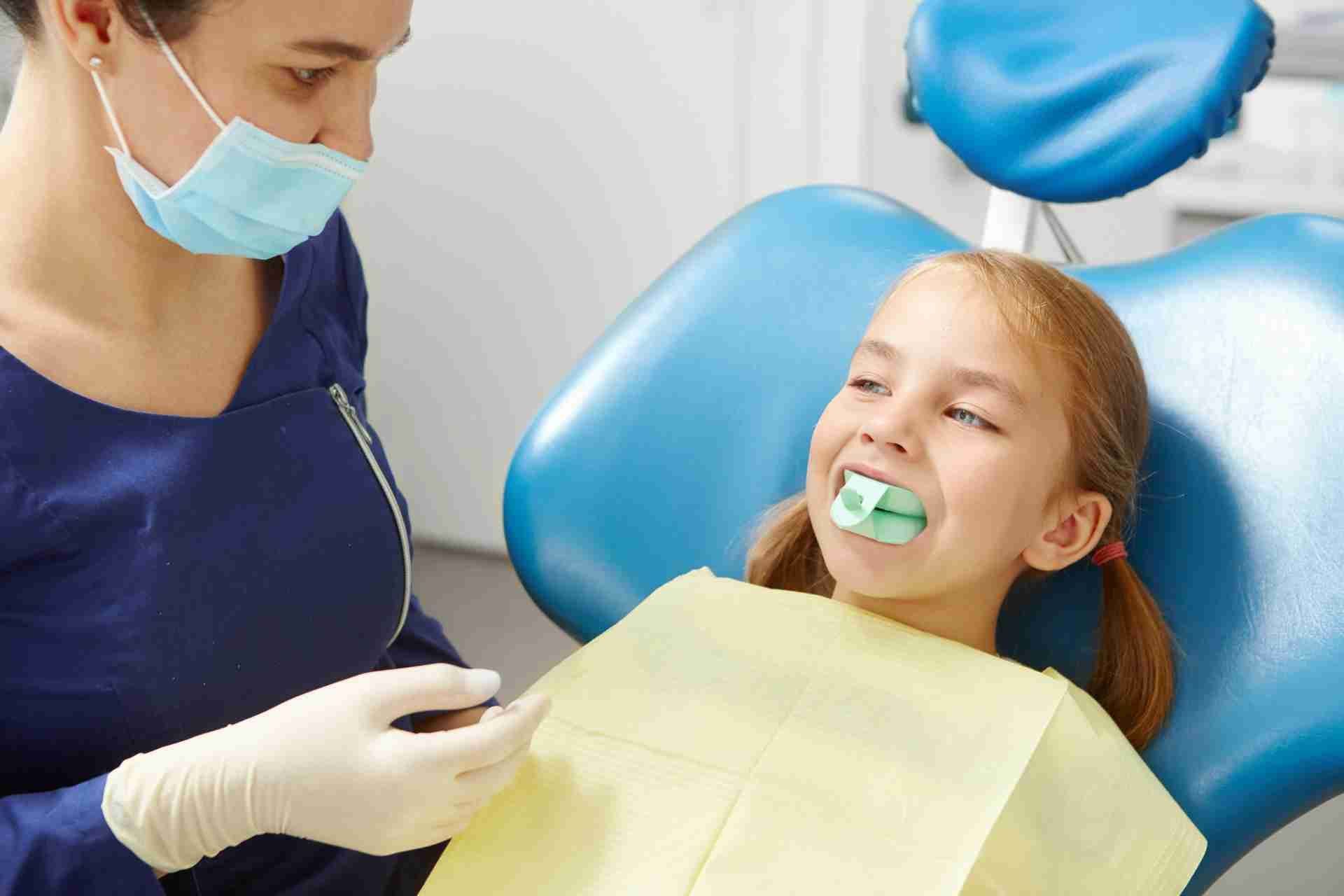
When it comes to your child's dental health, fluoride plays a crucial role. It helps reduce cavities and strengthens teeth, but you might wonder about its safety. The balance between benefits and potential risks, like
dental fluorosis , can be concerning. How do you know if your child is getting the right amount? Understanding this can help you make the best choices for their oral care. Let's explore what you need to know about fluoride and its effects.
What Is Fluoride and How Does It Work?
Fluoride is a naturally occurring mineral that plays a crucial role in dental health. It strengthens
tooth enamel
, making it more resistant to decay.
When you consume fluoride, either through drinking water or dental products, it gets incorporated into your teeth. This process helps remineralize areas that have begun to decay, repairing tiny cavities before they turn into bigger problems.
Furthermore, fluoride disrupts the harmful processes caused by bacteria in your mouth, reducing acid production and preventing further damage. This powerful mineral works best when used in moderation, so make sure to follow your dentist's recommendations.
The Benefits of Fluoride for Children's Dental Health
Numerous studies highlight the significant benefits of fluoride for children's dental health.
Fluoride helps strengthen tooth enamel, making it more resistant to decay. This is crucial, especially for kids, as they're prone to cavities due to sugary snacks. By incorporating fluoride into their dental routine, you can reduce their risk of cavities by up to 40%.
Additionally, fluoride promotes the remineralization process, reversing early signs of tooth decay before it becomes a serious issue. Regular use can lead to healthier smiles and fewer dental visits, saving you time and money.
With fluoride, you're investing in your child's long-term dental health, ensuring they grow up with strong, beautiful teeth. Embracing fluoride can truly make a difference in their
oral hygiene
.
Sources of Fluoride Exposure
While many people associate fluoride primarily with toothpaste, there are several other sources through which your child can be exposed to this important mineral.
Fluoride is commonly found in fluoridated drinking water, which many municipalities add to promote dental health. Additionally, certain foods and beverages, like tea and fish, naturally contain fluoride.
Some dental treatments and mouth rinses also provide concentrated fluoride exposure. Be mindful of processed foods, as they might use fluoridated water during preparation.
Lastly, fluoride can be present in some supplements, but it's wise to consult your pediatrician before giving them to your child.
Understanding Dental Fluorosis
How can you recognize dental fluorosis in your child? Look for white spots or streaks on their teeth, which often become noticeable during early childhood. These changes can range from mild discoloration to more pronounced marks.
In most cases, dental fluorosis doesn't affect your child's overall health, but it can impact the appearance of their smile. The condition occurs when children consume too much fluoride during the years when their teeth are developing.
It's important to monitor fluoride intake from various sources, including toothpaste and drinking water. If you notice any signs of dental fluorosis, consult your pediatric dentist for guidance. They can help assess the situation and recommend the best course of action for your child's dental health.
The Debate: Is Fluoride Safe for Children?
Dental fluorosis raises important questions about fluoride's safety for children. Many parents worry about the potential risks versus the benefits of fluoride. Some studies suggest that too much fluoride can lead to dental fluorosis, causing white spots or discoloration on teeth. While these effects can be concerning, they're usually mild and primarily cosmetic.
On the other hand, fluoride is known for its role in preventing cavities, which is crucial for your child's dental health. The debate often centers around the right balance—how much fluoride is beneficial versus harmful.
You might find differing opinions among healthcare professionals, with some advocating for its use and others urging caution. It's essential to stay informed and consult your dentist to make the best decision for your child.
Recommended Fluoride Levels for Kids
Fluoride recommendations for kids vary by age and source. For infants under six months, most experts suggest no fluoride supplementation unless it's in drinking water.
For children aged six months to four years, the
American Dental Association recommends 0.25 mg daily if they don't receive fluoride from water. Between ages four and six, kids can safely use fluoride toothpaste, but only a pea-sized amount is necessary.
As kids grow, from ages six to 14, they can benefit from a higher fluoride concentration in toothpaste and mouth rinses. It's essential to monitor their fluoride intake to avoid dental fluorosis.
Discuss your child's specific needs with their dentist to ensure they're getting the right amount for optimal dental health.
Alternatives to Fluoride for Dental Care
Wondering what options exist for maintaining your child's dental health without fluoride? There are several effective alternatives you can consider.
First, encourage your child to brush with a non-fluoride toothpaste that contains natural ingredients like xylitol, which helps reduce cavity-causing bacteria. Regular use of a water-based mouthwash that's alcohol-free can also aid in oral hygiene.
Ensure your child maintains a balanced diet rich in calcium and phosphorus, found in dairy products and leafy greens, to strengthen teeth.
Additionally, regular dental check-ups are crucial for early detection of any issues.
Lastly, consider sealants to protect your child's molars from decay. By using these strategies, you can support your child's dental health naturally and effectively.
How to Monitor Your Child's Fluoride Intake
Keeping track of what your child consumes is vital for their overall health, especially when it comes to fluoride intake. Start by checking the labels on toothpaste and mouthwash. Choose products with an appropriate fluoride level for their age.
Next, pay attention to their drinking water; if you're on a public system, check if fluoride is added. For bottled water, verify the fluoride content.
Additionally, consider dietary sources, as some foods and beverages may contain fluoride. It's also helpful to maintain
regular dental check-ups
, where your dentist can assess your child's fluoride exposure.
Making an Informed Decision About Fluoride Use
As you navigate the options for your child's dental care, understanding the role of fluoride can help you make a well-informed decision.
Fluoride is known to prevent cavities and strengthen enamel, but the right usage is key. Consider your child's age, their dental health, and the fluoride levels in your drinking water.
Consult your
pediatric dentist to discuss the benefits and potential risks. They can guide you on whether fluoride toothpaste or treatments are appropriate for your child.
Remember, too much fluoride can lead to dental fluorosis, so it's crucial to monitor their intake.
Conclusion
In conclusion, fluoride can be a valuable ally in your child's dental health when used wisely. By understanding its benefits and potential risks, you can make informed choices about your child's fluoride intake. Regular consultations with your child's dentist will help ensure they get the right amount for optimal oral health. Whether you choose fluoride or alternatives, staying proactive in monitoring their dental care is key to keeping their smiles bright and healthy.