As parents, ensuring the oral health of our little ones is crucial for their overall well-being. Dental problems in children can lead to discomfort, missed school days, and even affect their self-esteem. Pulp therapy, also known as root canal treatment for children, is a vital technique in
pediatric dentistry aimed at preserving and safeguarding the primary teeth. Exploring the importance and benefits of pulp therapy, along with its key procedures and considerations is crucial to have a better understanding.
Understanding Pulp Therapy
Pulp therapy
is a dental treatment procedure that primarily focuses on preserving the primary teeth's integrity and preventing further damage. It involves the removal of infected or inflamed pulp, the soft tissue within the tooth that harbors blood vessels and nerves. By eliminating the infection and placing a suitable material within the tooth, pediatric dentists can protect the primary teeth from further extensive decay or loss.
The Importance of Pulp Therapy in Pediatric Dentistry
Preserving Primary Teeth
Primary teeth play a critical role in a child's oral health, aiding in proper speech development, nutrition, and guiding the growth of permanent teeth. Preserving primary teeth by employing pulp therapy is an effective way to ensure a child's dental health. Pulp therapy involves the treatment of the dental pulp, aiming to maintain the tooth's vitality and function while eliminating the source of infection or decay. There are different approaches to pulp therapy, depending on the severity of the condition.
One common procedure in pulp therapy is known as pulpotomy. During a pulpotomy, the dentist removes the infected portion of the pulp while leaving the unaffected part intact. This process allows the tooth to maintain its root structure and vitality. The space left by the removal of the pulp is then filled with a material that promotes healing and prevents further infection.
Another technique employed in more severe cases is called pulpectomy. A pulpectomy involves the complete removal of bacteria-infected pulp from the affected tooth. The tooth's canals are then cleaned, disinfected, and filled with a biocompatible material. This procedure is essential to prevent further infection and maintain the tooth's function until its natural exfoliation time.
Avoiding Dental Complications
In cases where dental pulp becomes injured or infected, if left untreated, complications can arise. These include abscess formation, pain, tooth loss, and the spread of infection to neighboring teeth and even the jawbone. By intervening early with pulp therapy, the affected tooth can be saved, therefore minimizing the risks of additional dental problems.
Untreated tooth decay or infection can spread to neighboring teeth, leading to a chain reaction of dental problems. Pulp therapy acts as a preventive measure, eliminating the need for more extensive and invasive treatments, such as extractions or space maintainers.
Promoting Healthy Oral Habits
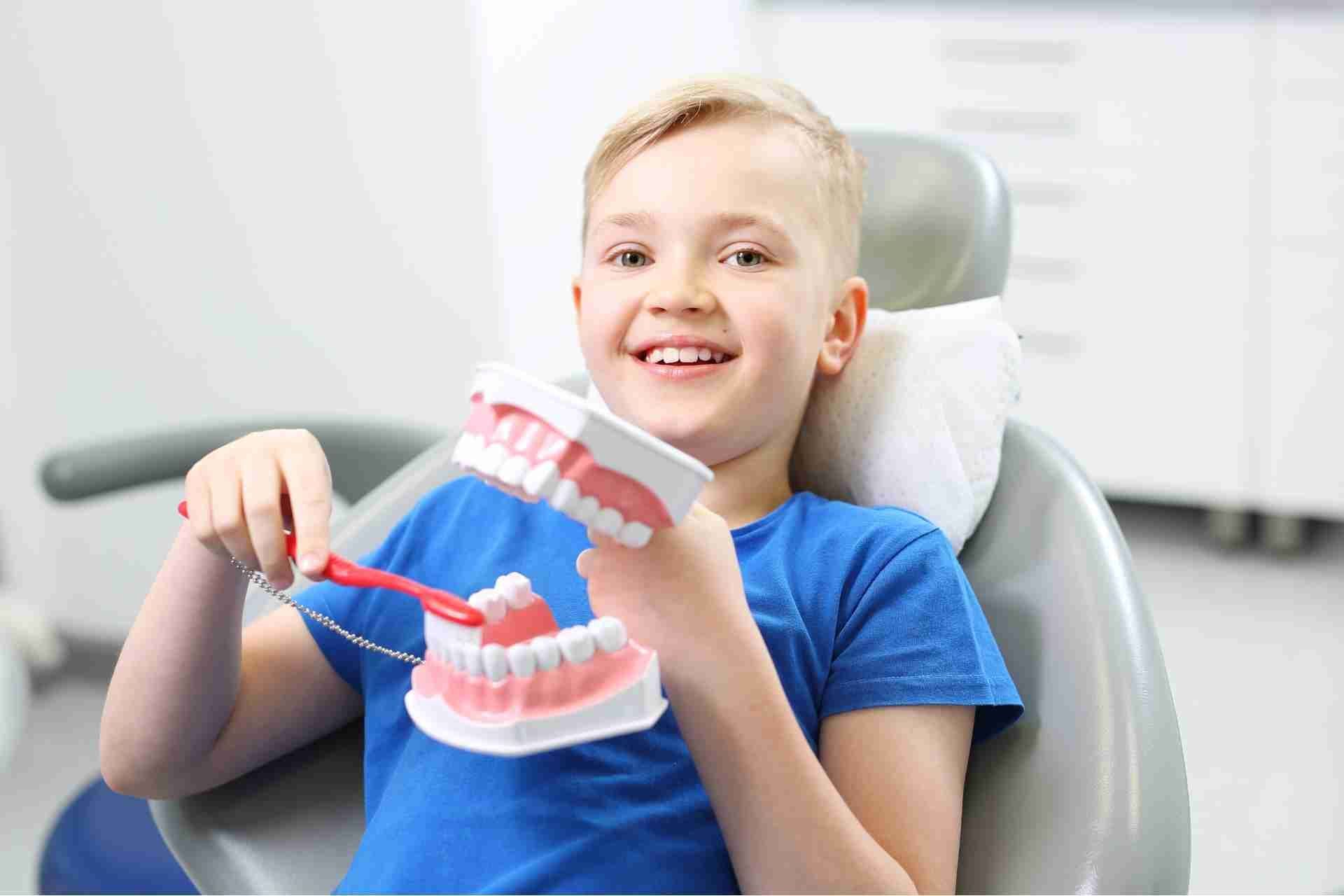
Early exposure to dental treatments like pulp therapy introduces children to the importance of oral hygiene and boosts their dental visit confidence. Pulp therapy focuses on addressing the underlying cause of tooth decay or infection in primary teeth. By treating the affected tooth, the dentist removes the source of pain or discomfort. This fundamental aspect of the procedure helps children understand the importance of maintaining good oral hygiene. When children experience relief from pain, they become more receptive to learning and adopting healthy oral habits.
Another way pulp therapy promotes healthy oral habits is by fostering a positive relationship between children and dentistry.
Dental visits
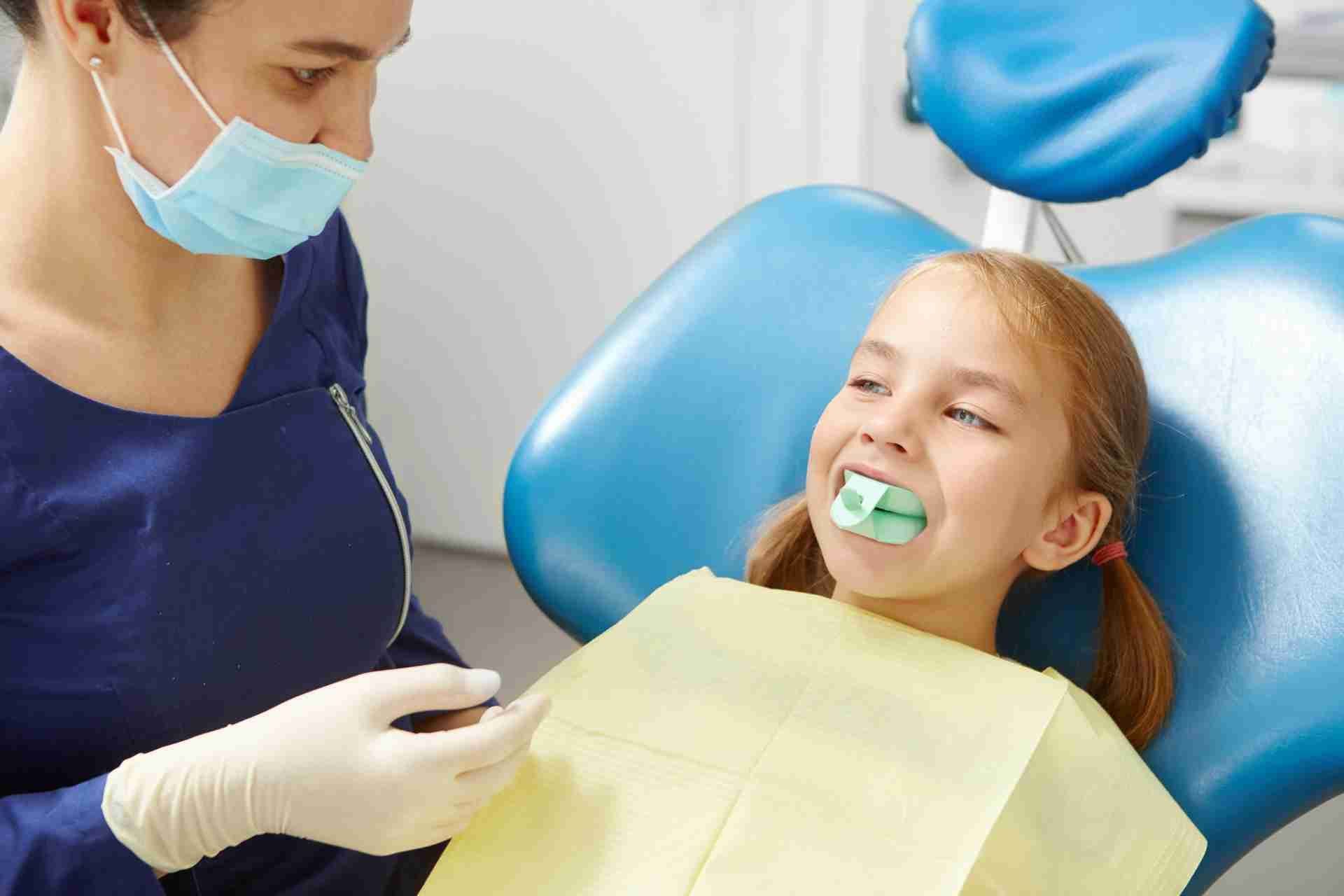
can often be intimidating or scary for children, especially if they have had a previous negative experience. However, through pulp therapy, children are exposed to a dental procedure that saves their tooth and alleviates their pain. This positive experience helps build trust and reduces dental anxiety, making future dental visits less frightening.
Common Pulp Therapy Procedures
- Pulpotomy : A pulpotomy is a dental procedure aimed at treating a decayed or infected primary tooth (also known as a baby tooth) while preserving its functionality. It involves removing a portion of the tooth's pulp, consisting of nerves and blood vessels, from the pulp chamber. This process helps relieve pain, prevent further infection, and preserve the integrity of the tooth until it naturally falls out.
Pulpotomy is typically recommended when a primary tooth is severely affected by dental decay or has experienced significant trauma. The procedure allows dentists to eliminate infection from the tooth, preserving its structure and function for as long as necessary. If a decayed tooth is left untreated, the infection can spread to other teeth, leading to serious complications and potential health risks.
- Pulpectomy : In more severe cases of tooth decay or infection, a pulpectomy may be required. It involves the complete removal of the infected pulp, including the root canals. The space is then cleaned, disinfected, and filled with an appropriate material to ensure the tooth's structural integrity.
It is a dental procedure that involves removing infected or damaged dental pulp from the root canals of a tooth. Dental pulp refers to the soft, living tissue located at the center of the tooth. It contains nerves, blood vessels, and connective tissue, and plays a crucial role in tooth development. However, when dental decay or trauma occurs, bacteria can enter the tooth, leading to an infection in the pulp. A pulpectomy becomes necessary to remove the infected pulp and prevent the infection from spreading further.
- Stainless Steel Crowns : Stainless steel crowns are prefabricated dental caps that are designed to cover a damaged or decayed tooth. These crowns are typically made from a combination of metals, including chromium and nickel, resulting in a strong and highly resistant material. They are commonly used in pediatric dentistry to restore primary teeth, as well as in adults when a temporary or long-term solution is required.
Considerations for Pulp Therapy
- Condition of the Dental Pulp : The first consideration for pulp therapy is evaluating the condition of the dental pulp. If the pulp is irreversibly inflamed or infected due to deep tooth decay or trauma, the treatment may involve removing the pulp entirely (pulpectomy) or partially (pulpotomy). However, if the pulp is still healthy, less invasive treatment options, such as indirect pulp treatment or vital pulp therapy, might be suitable. Accurate diagnosis and thorough examination are crucial to determining the most appropriate course of action.
- Age of the Child : Another crucial consideration is the age of the child. The stage of dental development plays a significant role in deciding the type of pulp therapy. For instance, if the child's primary (baby) tooth is affected, the dentist will consider the potential impact on the underlying permanent tooth and plan the treatment accordingly. Conversely, if the child's permanent tooth is affected, preserving the pulp becomes even more important to ensure proper growth and development.
- Tooth Restoration Options : Pulp therapy often necessitates tooth restoration after the procedure. Depending on the extent of decay, trauma, or the type of pulp therapy performed, various restoration options may be required. The choice between stainless steel crowns, composite fillings, or other restorative materials will be based on factors such as durability, aesthetics, and functional needs for the child.
- Behavior Management :
Behavior management is an essential aspect of pulp therapy, as dental procedures can be stressful for young children. Dentists should employ child-friendly approaches to create a comfortable environment and build trust with the child. Techniques like tell-show-do, positive reinforcement, and distraction methods can help alleviate anxiety and encourage cooperation during the treatment. Additionally, parent education and involvement are vital in ensuring the child's understanding and compliance.
- Long-Term Monitoring : Lastly, it is crucial to emphasize the importance of long-term monitoring after pulp therapy. Regular follow-up visits will enable dental professionals to track the success of the treatment, monitor healing, and detect any potential complications. Ongoing oral hygiene education, including proper brushing and flossing techniques, will also promote oral health and prevent further dental issues.
Is Dental Pulp Therapy Safe for Children?
Coming to the safety aspect, dental pulp therapy has been proven to be a safe and effective treatment for children. Various studies and research have shown positive outcomes and a high success rate for this procedure in pediatric dentistry. Dentists have undergone extensive training to perform pulp therapy on children, ensuring that they have the necessary skills and knowledge to handle any potential complications.
Furthermore, dental pulp therapy is often the preferred treatment option over tooth extractions
, especially for baby teeth. Baby teeth play a crucial role in the development of a child's speech, chewing abilities, and the alignment of permanent teeth. Removing a baby tooth prematurely can lead to orthodontic issuesand affect the overall oral health of a child. By opting for pulp therapy, the tooth can be saved, maintaining the natural alignment and function of the teeth.
Conclusion
Pulp therapy serves as a valuable tool in pediatric dentistry, providing effective treatment options for dental pulp-related problems in children. With the right diagnosis, timely intervention, and proper management, primary teeth can be saved and their function maintained until the permanent teeth are ready to take their place. Pulp therapy not only helps children have a healthy smile but also sets the foundation for their oral health, promoting a lifetime of good dental habits.