

Understanding Tooth Sensitivity
June 7, 2024

Ever experienced a jolt of lightning-like pain when you sip your morning coffee or indulge in a scoop of ice cream? Tooth sensitivity, a common dental woe, can turn simple pleasures into moments of discomfort. But fear not, understanding the root causes and effective management strategies can help you reclaim your joy and bid farewell to those unwelcome zaps.
Let's explore the nuances of tooth sensitivity together, starting with the triggers that might be lurking in your daily routine.

What Causes Tooth Sensitivity

While tooth sensitivity can be a minor inconvenience for some, it can be a more serious problem for others, impacting their quality of life and oral health.
So, what causes tooth sensitivity? There are several possible factors that can contribute to this condition. Here are some of the most common causes of tooth sensitivity:
  • Tooth decay: Tooth decay, or cavities, can leave the tooth's sensitive inner layers exposed and vulnerable to external stimuli. When the protective enamel is worn down or damaged, it can lead to tooth sensitivity.
  • Gum recession: Gum recession occurs when the gums pull away from the teeth, exposing the tooth roots. These roots do not have the same protective enamel as the rest of the tooth, making them more sensitive to hot, cold, or acidic foods and drinks.
  • Enamel erosion: Enamel erosion can be caused by a variety of factors, including acidic foods and beverages, teeth grinding, and certain medications. When the enamel wears away, the underlying dentin is exposed, leading to tooth sensitivity.
  • Tooth grinding: Grinding or clenching your teeth, also known as bruxism, can wear down the enamel and expose the sensitive inner layers of the teeth. This can lead to tooth sensitivity and other dental issues over time.
  • Dental procedures: Some dental procedures, such as teeth whitening treatments, fillings, or crowns, can cause temporary tooth sensitivity as the teeth adjust to the changes. In some cases, this sensitivity may persist for a longer period of time.
  • Toothbrush abrasion: Brushing your teeth too hard or using a toothbrush with hard bristles can wear down the enamel and irritate the gums, leading to tooth sensitivity.

Symptoms and Diagnosis

Experiencing tooth sensitivity can manifest through various symptoms that may indicate underlying dental issues, requiring proper diagnosis for effective treatment.
Symptoms of Tooth Sensitivity Tooth sensitivity is often characterized by a sharp pain or discomfort when your teeth are exposed to certain stimuli, such as hot or cold temperatures, sweet or acidic foods, or even brushing and flossing. You may experience a sudden, shooting pain in one or more teeth that can be quite intense and uncomfortable.
Other symptoms of tooth sensitivity may include:
  • Pain or discomfort when biting or chewing
  • Pain or discomfort when breathing in cold air
  • Sensitivity to touch or pressure on the affected tooth
  • Swelling or redness around the affected tooth

If you are experiencing any of these symptoms, it is important to see your dentist for a proper diagnosis and treatment.
Diagnosis of Tooth Sensitivity The first step in diagnosing tooth sensitivity is to see your dentist for a thorough examination. Your dentist will conduct a physical exam of your teeth and gums, and may also take dental x-rays to get a better look at the underlying structures of your teeth.
During the exam, your dentist may ask you questions about your symptoms and lifestyle habits, such as your oral hygiene routine, dietary habits, and any recent dental procedures or trauma to your teeth. This information can help your dentist determine the underlying cause of your tooth sensitivity.
In some cases, your dentist may perform additional tests, such as applying air or cold water to the affected tooth to see if it triggers a pain response. This can help your dentist pinpoint the exact cause of your tooth sensitivity and develop an appropriate treatment plan.

Effective Treatment Options

When addressing tooth sensitivity, exploring effective treatment options is crucial to alleviate discomfort and improve oral health.
Desensitizing Toothpaste One of the most common treatments for tooth sensitivity is the use of desensitizing toothpaste. These toothpastes contain special ingredients that help block the transmission of pain signals from the surface of your teeth to the nerves inside. By using desensitizing toothpaste regularly, you may notice a reduction in sensitivity over time.
Fluoride Treatments In addition to desensitizing toothpaste, your dentist may also recommend fluoride treatments to help strengthen your tooth enamel and reduce sensitivity. Fluoride treatments can help protect your teeth from further damage and make them less susceptible to sensitivity triggers.
Dental Bonding or a Cusstom Mouthguard For more severe cases of tooth sensitivity, your dentist may recommend other treatments such as dental bonding or a custom mouthguard to help protect your teeth from sensitivity triggers. In some cases, a dental procedure such as a root canal may be necessary to address underlying issues causing the sensitivity.
If you are experiencing tooth sensitivity, it is important to schedule a visit with your dentist to determine the underlying cause and develop a treatment plan. In the meantime, there are a few things you can do at home to help alleviate sensitivity:
  • Use a soft-bristled toothbrush to brush your teeth gently
  • Avoid acidic foods and beverages that can erode tooth enamel
  • Rinse your mouth with a fluoride mouthwash
  • Limit consumption of hot, cold, or sugary foods and drinks

How to Prevent Tooth Sensitivity

This condition occurs when the enamel on your teeth wears down, exposing the dentin underneath and allowing stimuli to reach the nerves in your teeth.
Fortunately, there are steps you can take to prevent tooth sensitivity and protect your teeth from further damage. Here are some tips to help you keep your smile healthy and pain-free:
Practice good oral hygiene Brush your teeth twice a day with a fluoride toothpaste and floss daily to remove plaque and prevent decay. Maintaining good oral hygiene is essential for preventing tooth sensitivity and other dental issues.
Use a soft-bristled toothbrush Brushing too hard can wear down the enamel on your teeth and make them more sensitive. Use a soft-bristled toothbrush and gentle brushing technique to avoid causing damage to your teeth.
Avoid acidic foods and drinks Acidic foods and drinks, such as citrus fruits, soda, and wine, can erode the enamel on your teeth and make them more sensitive. Limit your consumption of acidic foods and drinks to protect your teeth.
Wear a mouthguard If you grind your teeth at night, wearing a mouthguard can help protect them from damage and prevent tooth sensitivity. Speak to your dentist about getting a custom-fit mouthguard to wear while you sleep.
Use desensitizing toothpaste There are special toothpastes available that are designed to help reduce tooth sensitivity. Talk to your dentist about which desensitizing toothpaste is right for you and how to use it effectively.
Visit your dentist regularly Regular dental check-ups are essential for maintaining good oral health and preventing dental issues, including tooth sensitivity. Your dentist can identify any potential issues early on and recommend appropriate treatments to prevent further damage to your teeth.

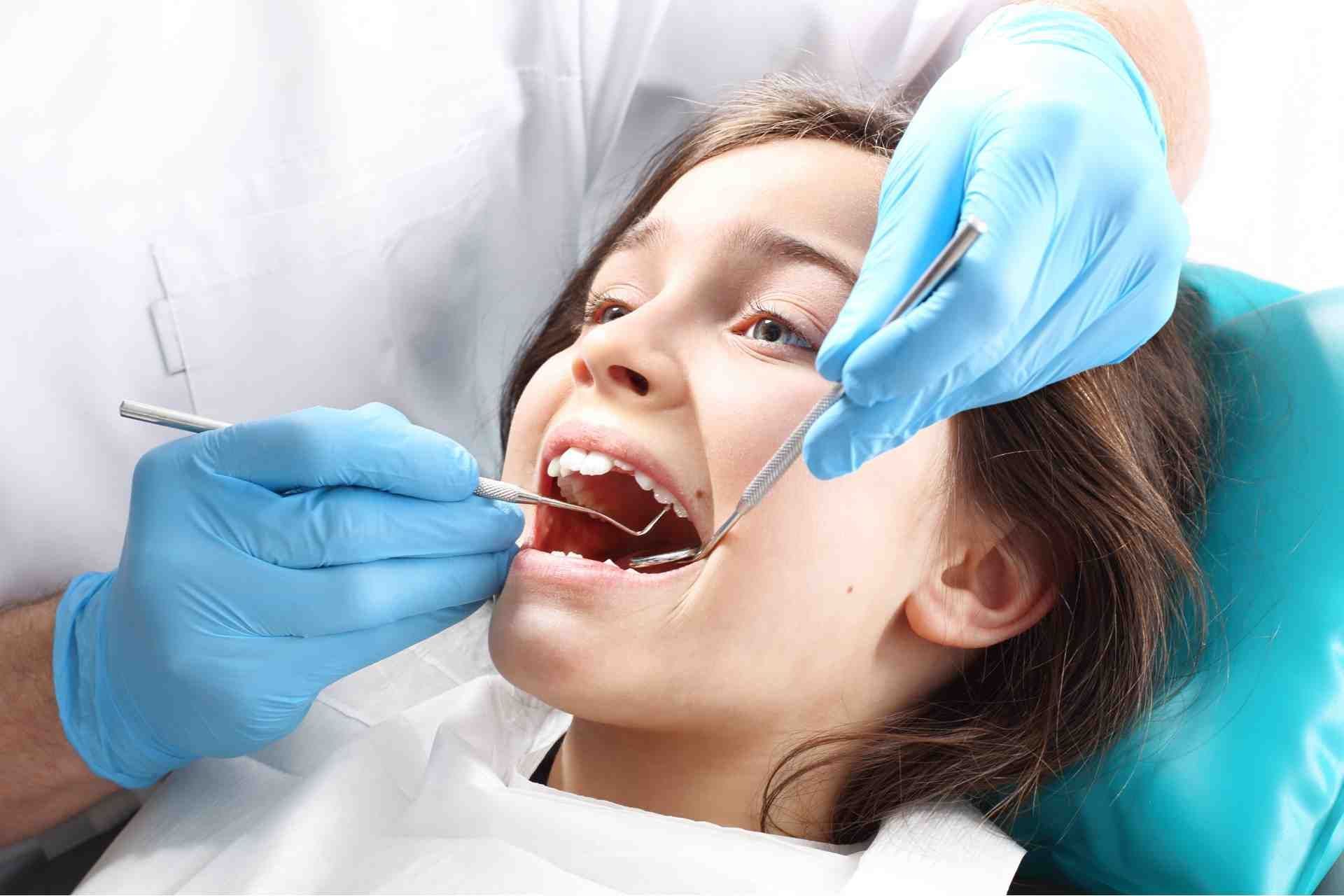
Dentist examining a patient’s mouth with gloved hands and dental tools.
July 13, 2026
Learn if dental sealants are right for your child. Protect their teeth from cavities with this quick, painless solution. Schedule a visit today!
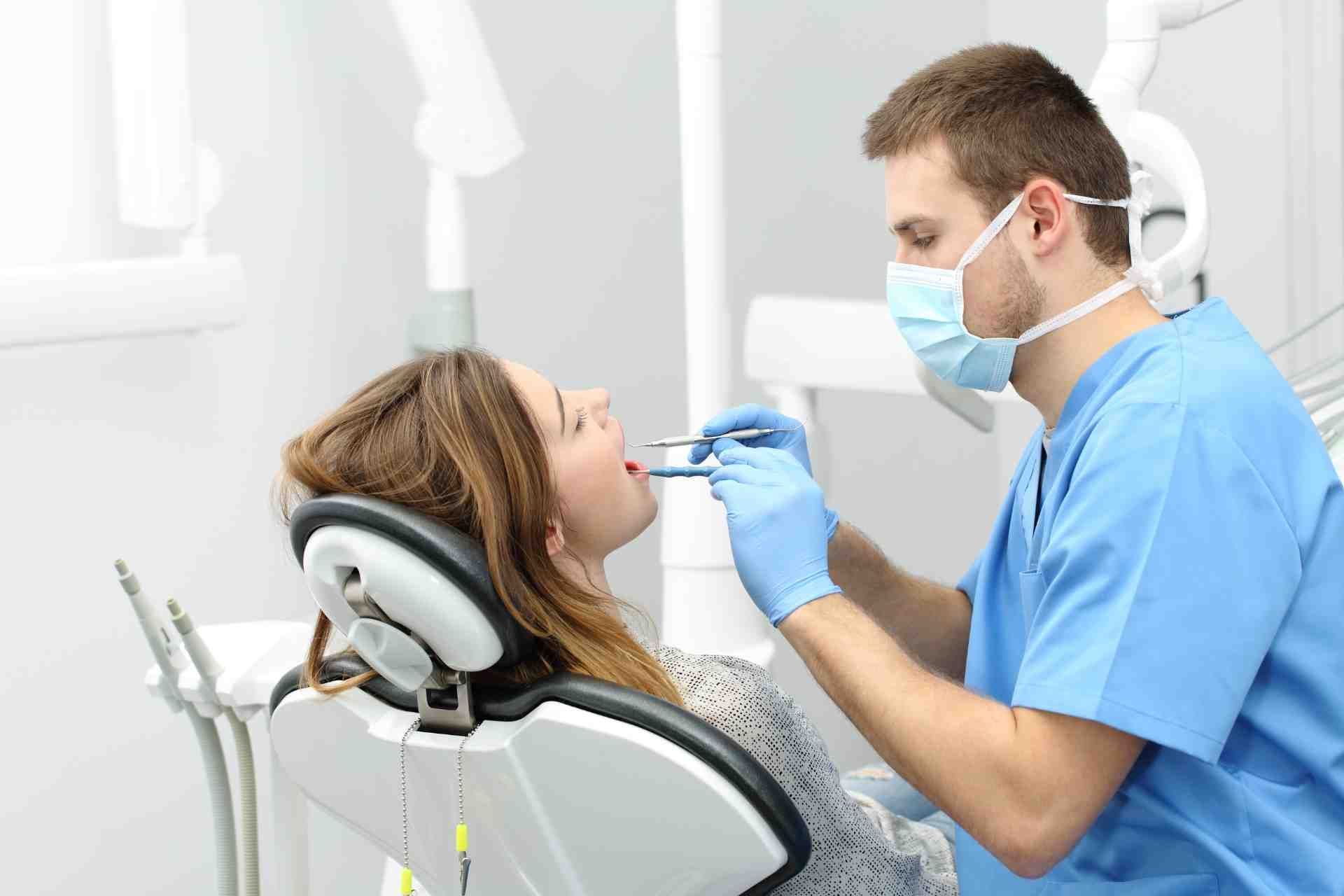
Dentist in blue scrubs examining a patient seated in a dental chair
July 10, 2026
Learn how long dental sealants last on kids' teeth and tips for care. Ensure your child's dental health with our expert team!

Smiling person with glasses holding a dental model and clear aligner, showing teeth straightening treatment
July 8, 2026
Explore the differences between Invisalign & braces for teens. Find the best option for your child today!

Child at dentist, smiling with mouth open during dental exam, gloved hand holding a tool nearby
July 6, 2026
Learn when your child should see an orthodontist. Early evaluations can prevent issues and promote a healthy smile. Schedule an appointment today!
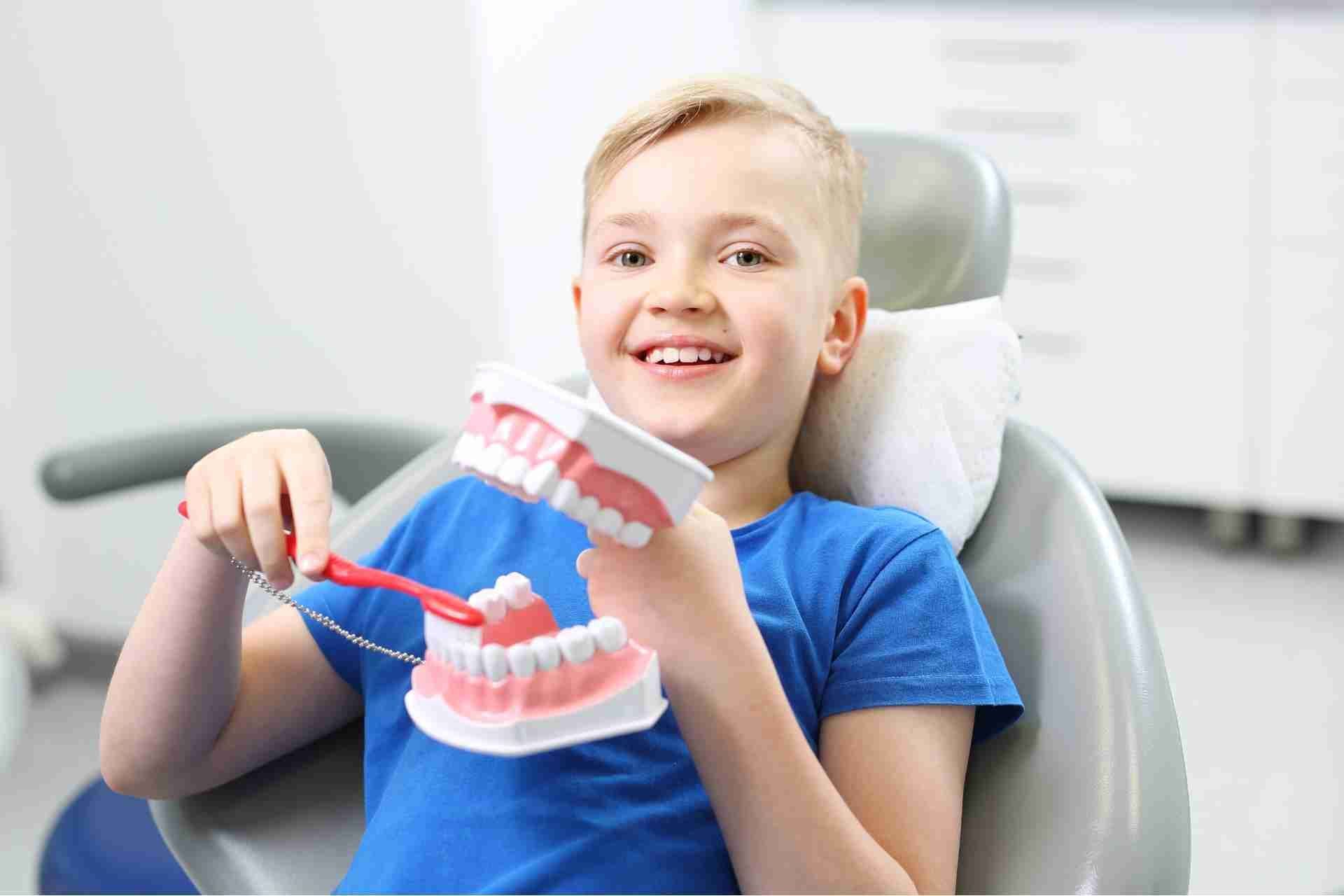
Child smiling in a dental chair, holding a model of teeth with a toothbrush
June 8, 2026
Learn how sports can affect your child's teeth. Ensure their dental safety with mouthguards ®gular check-ups. Contact us today!

Child smiling during a dental exam, with dentist wearing blue gloves and tools near the mouth
June 5, 2026
Learn why Pennington parents are scheduling orthodontic evaluations by age 7. Ensure your child's dental health with early assessments.
Masked dentist with a young patient in a dental office, smiling with dental tools visible.
June 3, 2026
Moving to Pennington? Learn how to choose the right pediatric dentist for your child. Focus on specialized care & a child-friendly environment.

Sleeping child in pink star pajamas lying on a bed with pink bedding
June 1, 2026
Learn to identify mouth breathing signs in children and its health impacts. Act now to improve your child's well-being!
Dentist examining a young patient in a dental chair, with a blue bib and gloves in a bright clinic.
May 11, 2026
Choosing a local pediatric dentist ensures tailored care for your child. Schedule an appointment today for a kid-friendly experience!
Dentist examining a smiling patient in a dental chair with a yellow bib
May 8, 2026
Learn why pediatric dentists are vital for your child's dental health. Schedule an appointment for specialized care today!