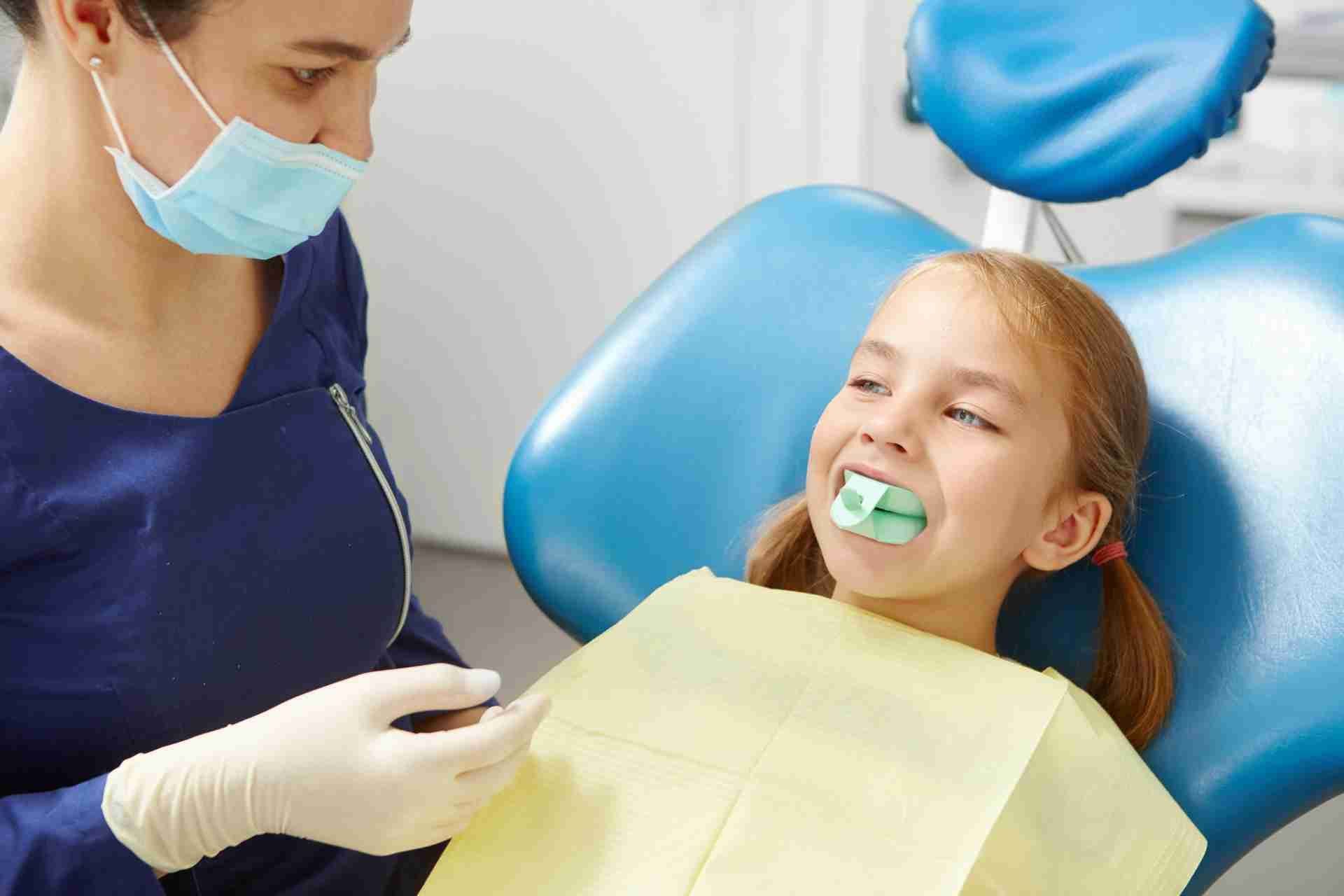
You want a pediatric dentist who blends skill, safety, and a kid-first approach. Start by checking credentials and how they guide anxious children. Notice the office setup, tech, and staff interactions. Make sure prevention and clear parent communication drive their care. Then weigh location, scheduling, and insurance fit. The right choice can shape lifelong habits—but a few red flags can quickly narrow your options...
How to Choose a Pediatric Dentist
How do you know which pediatric dentist is right for your child? Start by considering location, parking, and office hours that fit school and work.
Visit the practice to gauge the vibe: is it calm, child-friendly, and clean? Watch how the team greets kids, explains steps, and uses positive language.
Ask about their approach to easing anxiety, nitrous options, and parent presence during visits. Check how they handle urgent issues, after-hours calls, and referrals for complex care.
Look for prevention-focused habits—fluoride guidance, sealant discussions, diet tips, and home-care coaching. Evaluate scheduling efficiency, wait times, and transparency about costs.
Read recent reviews for patterns, not one-offs. Trust your instincts; if your child feels safe and engaged, you’ve likely found a good match for your family.
Verify Pediatric Dentist Credentials and Training
Once a practice feels like a good fit, confirm the dentist’s credentials and training. Start by checking the dentist holds a DDS or DMD from an accredited dental school and completed a two- to three-year pediatric dentistry residency.
Look for board certification by the American Board of Pediatric Dentistry; ABPD Diplomates meet rigorous standards and renew regularly. Verify an active, unrestricted state license and scan the state board site for any disciplinary actions.
Ask about American Academy of Pediatric Dentistry membership and recent continuing education, including topics like growth and development, preventive care, dental trauma, and special needs care. Confirm hospital or surgery-center privileges for comprehensive care needs.
Finally, assess the team’s infection-control certifications and child-focused radiography training. Ask for written proof when unsure.
Assess a Pediatric Dentist’s Behavior Guidance and Sedation
Why does their approach to behavior and sedation matter? It shapes your child’s comfort, cooperation, and safety.
Ask how the dentist uses tell‑show‑do, positive reinforcement, distraction, and parental presence to guide behavior. Confirm experience with anxious kids and those with special needs, and whether they practice trauma‑informed care.
Review sedation options and safeguards. Clarify indications for nitrous oxide, minimal or moderate sedation, and when they refer for deep sedation or general anesthesia.
Verify weight‑based dosing, fasting instructions, and ASA screening. Ensure continuous monitoring of oxygen, ventilation, circulation, and consciousness, with age‑appropriate equipment, reversal agents, and written emergency protocols.
Ask who provides sedation, their credentials, and whether a separate provider monitors. Expect clear consent, alternatives, and recovery and pain‑control plans, and follow-up contact details available.
Spot a Kid‑Friendly Pediatric Dentist Office and Tech
What signals that a practice is truly kid‑friendly? You’ll notice playful, tidy spaces sized for small bodies: step stools, tiny sinks, and chairs that fit.
Look for calming, sensory‑aware touches—soft lighting, a quiet room option, fidget toys, and scent‑neutral policies. Ceiling TVs, tablets, music, or bubble walls provide distraction without pressure. In the operatory, child‑specific instruments, small sensors, and flavored prophy pastes help comfort.
Prioritize tech that’s safe and efficient: digital X‑rays with rectangular collimation and thyroid collars, low‑dose panoramic units, and caries‑detecting lasers to reduce drilling.
Intraoral cameras let your child see what’s happening. Rubber dams and isolation systems keep treatment dry and quick. Clear wayfinding, stroller parking, and accessible restrooms make visits smoother from door to chair for you and them, too.
Prevention and Parent Communication With Your Pediatric Dentist
Because prevention starts early, you and your pediatric dentist should build a risk‑based plan that covers home habits (fluoride toothpaste, brushing technique, flossing, snack timing), in‑office measures (fluoride varnish, sealants, cleanings, and X‑ray timing), and visit frequency.
Ask how they assess cavity risk, plaque levels, fluoride exposure, diet, and habits like thumb sucking or mouth breathing.
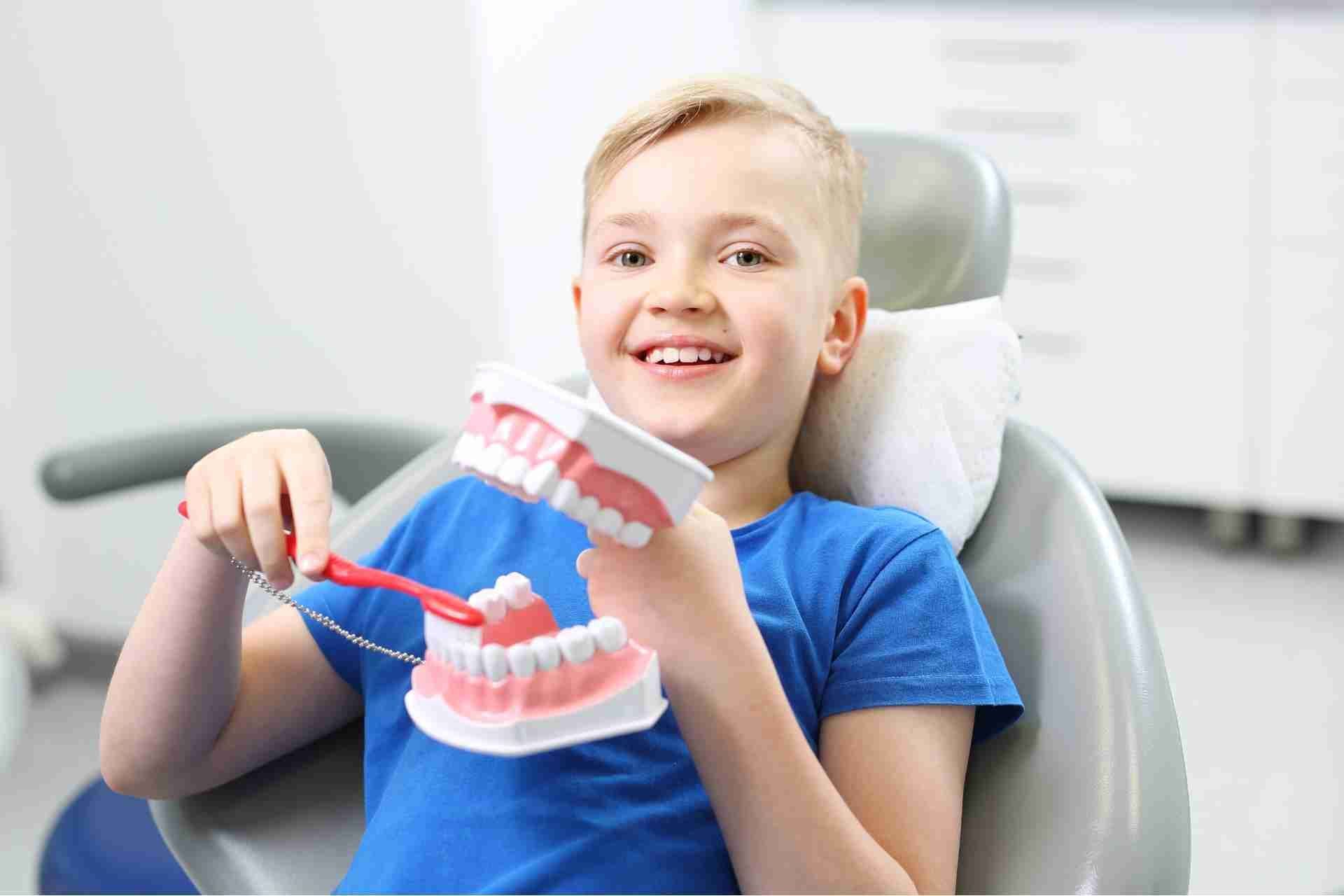
Expect clear demonstrations: show‑and‑tell brushing, flossing on a model, and sealing explanations.
You should hear age‑specific guidance on teething, eruption order, spacing, and trauma first aid.
Good dentists use plain language, invite questions, and recap next steps in writing.
They coach you on motivating your child without shame, using positive cues and small goals.
They review findings with photos, explain trade‑offs, and personalize recommendations as your child grows.
Logistics That Make Pediatric Dentist Visits Easy
Three logistics make pediatric dentist visits easy: convenient access, efficient scheduling, and kid‑friendly operations.
Choose an office near school or home with safe parking, transit options, and accessible entrances. Look for early, late, or weekend hours, same‑day urgent slots, and a clear emergency line.
You’ll save time with online registration, digital insurance verification, and text reminders. Prioritize practices that run on time, batch sibling appointments, and offer rapid checkout with transparent fees and flexible payments.
Ask about language support, special‑needs accommodations, and sedation or hospital affiliations when necessary.
In the clinic, seek cheerful wayfinding, stroller space, and restrooms with changing tables. A play area, prize system, and desensitizing visits reduce anxiety.
Trained staff who coach you on aftercare makes departures smooth and follow‑ups easy.
Conclusion
Choose a pediatric dentist who makes visits easy and your child feel safe. Verify DDS/DMD, pediatric residency, and board certification. Ask how they guide behavior, use nitrous or sedation, and keep parents informed. Look for a kid‑friendly office, modern tech, and clear safety protocols. Prioritize prevention, practical tips, and transparent treatment plans. Consider location, hours, insurance, emergency access, and scheduling. Trust your instincts—if your child smiles and you feel heard, you’ve found the right fit.