

Wisdom Tooth Extraction Aftercare
June 10, 2024

After having your wisdom teeth removed, you might notice some swelling and discomfort in the days following the procedure.
Getting your wisdom teeth removed can be a daunting experience, but with proper aftercare, you can ensure a smooth and speedy recovery process. Wisdom tooth extraction is a common dental procedure, as these third molars often cause issues such as pain, swelling, and crowding in the mouth.
In order to avoid complications and promote healing, it's important to follow your dentist's instructions for aftercare.
The way you care for your extraction site can make all the difference in how quickly you bounce back to normalcy.

Follow your dentist's instructions

After having your wisdom teeth extracted, it is crucial to follow your dentist's instructions for proper aftercare. These guidelines are designed to ensure a speedy and smooth recovery and minimize complications. Here are some important tips to keep in mind:
Take prescribed medication: Your dentist may prescribe pain medication and antibiotics to help manage post-operative pain and prevent infection. It is essential to take these medications as directed to help alleviate discomfort and promote healing.
Avoid strenuous activities: It is important to rest and allow your body to recover after wisdom tooth extraction. Avoid engaging in strenuous activities, heavy lifting, or vigorous exercise for at least a few days following the procedure.
Use cold compresses: Applying a cold compress to the affected area can help reduce swelling and discomfort. Place a cold pack or ice pack on your cheek for 10-15 minutes at a time, with breaks in between.
Eat soft foods: Stick to a soft diet for the first few days after the extraction. Avoid hard, crunchy, or chewy foods that could irritate the surgical site. Opt for gentle options like yogurt, soup, mashed potatoes, and smoothies.
Practice good oral hygiene: Be sure to continue brushing and flossing your teeth as usual, but avoid the extraction site while it heals. Rinse your mouth with warm salt water to help keep the area clean and promote healing.
Attend follow-up appointments: Your dentist may schedule a follow-up appointment to check on your healing progress. Be sure to attend these visits and communicate any concerns or issues you may be experiencing.

Keep the extraction site clean

One of the most important aspects of wisdom tooth extraction aftercare is keeping the extraction site clean. This may seem like a simple task, but it is crucial in order to prevent infection and ensure that the site heals properly.
After your wisdom tooth extraction, your dentist will likely give you some specific instructions on how to care for the extraction site. This will likely include guidelines on when you can begin brushing your teeth again, as well as how to clean the extraction site itself.
In order to keep the extraction site clean, it is important to gently rinse your mouth with warm salt water several times a day. This will help to keep the area free of debris and bacteria, reducing the risk of infection. It is also important to avoid using straws or spitting forcefully, as this can dislodge the blood clot that forms in the extraction site and delay the healing process.
You may also be instructed to gently brush the extraction site with a soft-bristled toothbrush. Be sure to be gentle and avoid brushing too hard, as this can irritate the extraction site and delay healing.
It is also important to avoid smoking and consuming alcohol after a wisdom tooth extraction, as these can slow the healing process and increase the risk of infection. Additionally, be sure to eat soft foods for the first few days after your extraction to avoid irritating the extraction site.

Avoid smoking and drinking through a straw

Smoking can inhibit the healing process as the chemicals in cigarettes can slow down the body's ability to heal. Additionally, the act of inhaling smoke can increase the risk of dry socket, a painful condition that occurs when the blood clot that forms after the extraction is dislodged.
Drinking through a straw can also be harmful after a wisdom tooth extraction. The sucking action creates negative pressure in the mouth, which can dislodge the blood clot and disrupt the healing process. This can lead to dry socket, infection, and prolonged pain and discomfort.
Instead of smoking and using a straw, it is best to stick to soft foods and liquids for the first few days after the extraction. Avoid hot, spicy, or hard foods that can irritate the extraction site. Instead, opt for cold foods like ice cream, yogurt, and smoothies that are gentle on your mouth.

Eat soft foods

When it comes to wisdom tooth extraction aftercare, soft foods are a game-changer. After getting your wisdom teeth removed, your mouth will be sore, swollen, and tender. Chewing on hard or crunchy foods can exacerbate these symptoms and potentially lead to complications such as infection or prolonging the healing process.
Soft foods are easy to chew and gentle on your mouth, making them ideal for post-extraction recovery. They also provide the necessary nutrients to nourish your body and help facilitate healing. Some great options include:
Smoothies: Packed with fruits, vegetables, and protein, smoothies are a quick and easy way to get essential nutrients without having to chew. Mashed potatoes: Creamy and comforting, mashed potatoes are a classic comfort food that is gentle on sore gums. Yogurt: Rich in probiotics, yogurt is not only easy to eat but also helps promote good gut health, which is important for overall healing. Applesauce: Sweet and easy to eat, applesauce is a great source of vitamins and minerals to support your recovery. Pudding: A sweet treat that is soft and satisfying, pudding is a great way to indulge while still sticking to soft foods.

Pain Management

After undergoing the procedure, it is important to properly manage your pain and discomfort in order to promote a smooth and speedy recovery. Here are some tips for pain management during the aftercare process:
  1. Take pain medication as prescribed: Your dentist or oral surgeon will likely prescribe pain relievers to help manage your discomfort. It is important to take these medications as directed in order to effectively control your pain. If you experience severe pain that is not relieved by the prescribed medication, contact your dentist or oral surgeon immediately.
  2. Apply cold packs: In the first 24 hours after your wisdom tooth extraction, applying cold packs to the affected area can help reduce swelling and numb the pain. Be sure to wrap the ice pack in a thin cloth and apply it to your cheek for 20 minutes at a time, with 20-minute breaks in between.
  3. Use over-the-counter pain relievers: In addition to any prescribed pain medication, you can also take over-the-counter pain relievers such as ibuprofen or acetaminophen to help manage your discomfort. Be sure to follow the recommended dosage instructions on the packaging.
  4. Avoid certain foods and activities: After undergoing a wisdom tooth extraction, it is important to avoid certain foods and activities that can worsen your pain or prolong your recovery. Avoid eating hard or crunchy foods that may irritate the extraction site, and refrain from smoking or drinking through a straw, as these actions can dislodge the blood clot and prolong healing.
  5. Follow proper oral hygiene: Keeping your mouth clean and free of infection is crucial for a successful recovery after wisdom tooth extraction. Be sure to gently rinse your mouth with warm salt water several times a day to help prevent infection and promote healing. Avoid brushing or flossing near the extraction site for the first 24 hours, and be gentle when brushing in the days following the procedure.

Rest and relax

Rest and relaxation are crucial for successful wisdom tooth extraction aftercare.
After having your wisdom teeth removed, your body needs time to heal. This means taking it easy and giving yourself the proper time to rest.
During this time, it's important to avoid any strenuous activities or heavy lifting. Give yourself permission to take a few days off work or school to focus on your recovery. Use this time to catch up on your favorite TV shows, read a good book, or simply relax and unwind.
Rest is not just important for your physical well-being, but for your mental health as well. Going through any kind of medical procedure can be stressful, so it's important to take time to rest and de-stress during this period. Consider practicing some relaxation techniques such as deep breathing, meditation, or gentle yoga to help calm your mind and body.

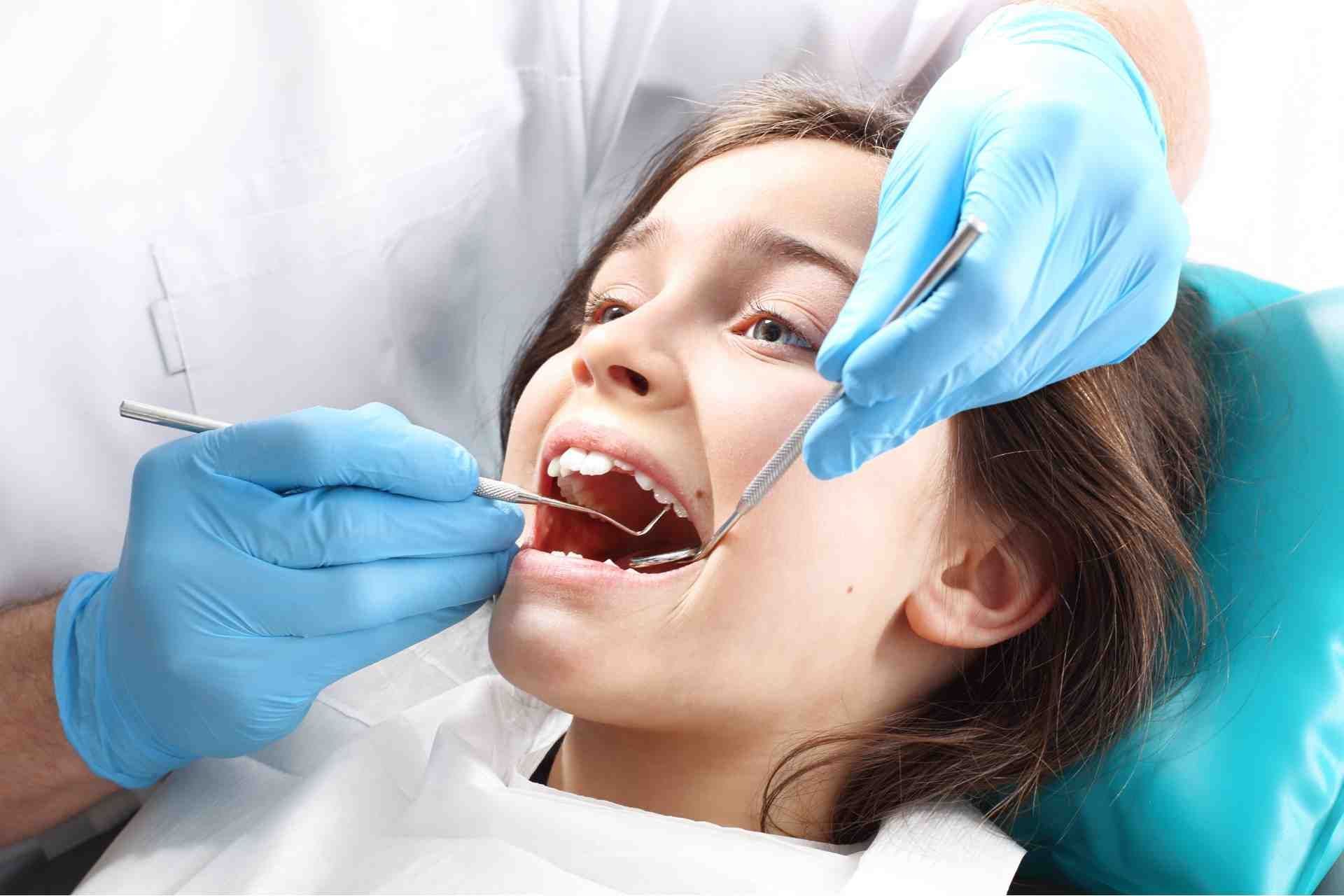
Dentist examining a patient’s mouth with gloved hands and dental tools.
July 13, 2026
Learn if dental sealants are right for your child. Protect their teeth from cavities with this quick, painless solution. Schedule a visit today!
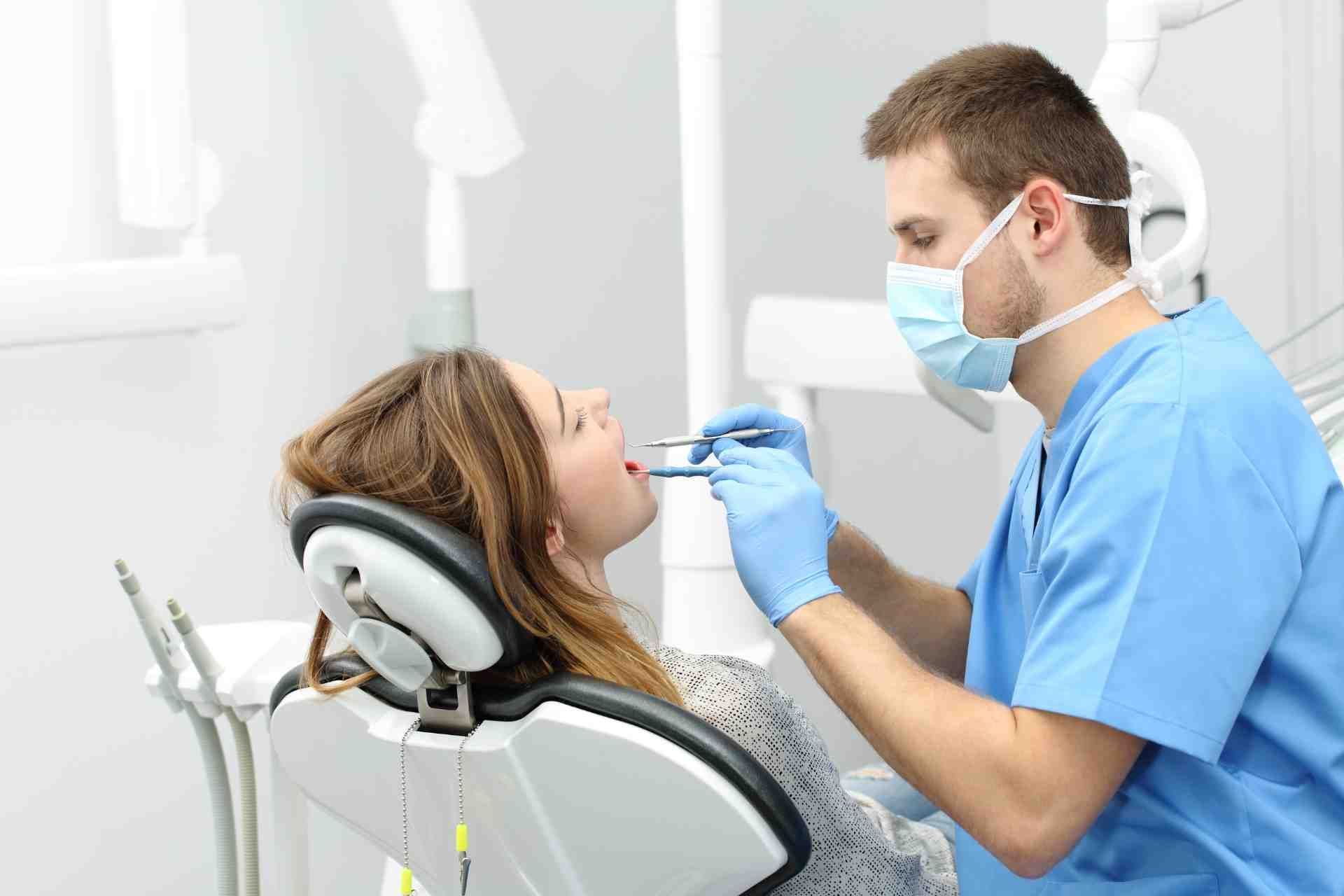
Dentist in blue scrubs examining a patient seated in a dental chair
July 10, 2026
Learn how long dental sealants last on kids' teeth and tips for care. Ensure your child's dental health with our expert team!

Smiling person with glasses holding a dental model and clear aligner, showing teeth straightening treatment
July 8, 2026
Explore the differences between Invisalign & braces for teens. Find the best option for your child today!

Child at dentist, smiling with mouth open during dental exam, gloved hand holding a tool nearby
July 6, 2026
Learn when your child should see an orthodontist. Early evaluations can prevent issues and promote a healthy smile. Schedule an appointment today!
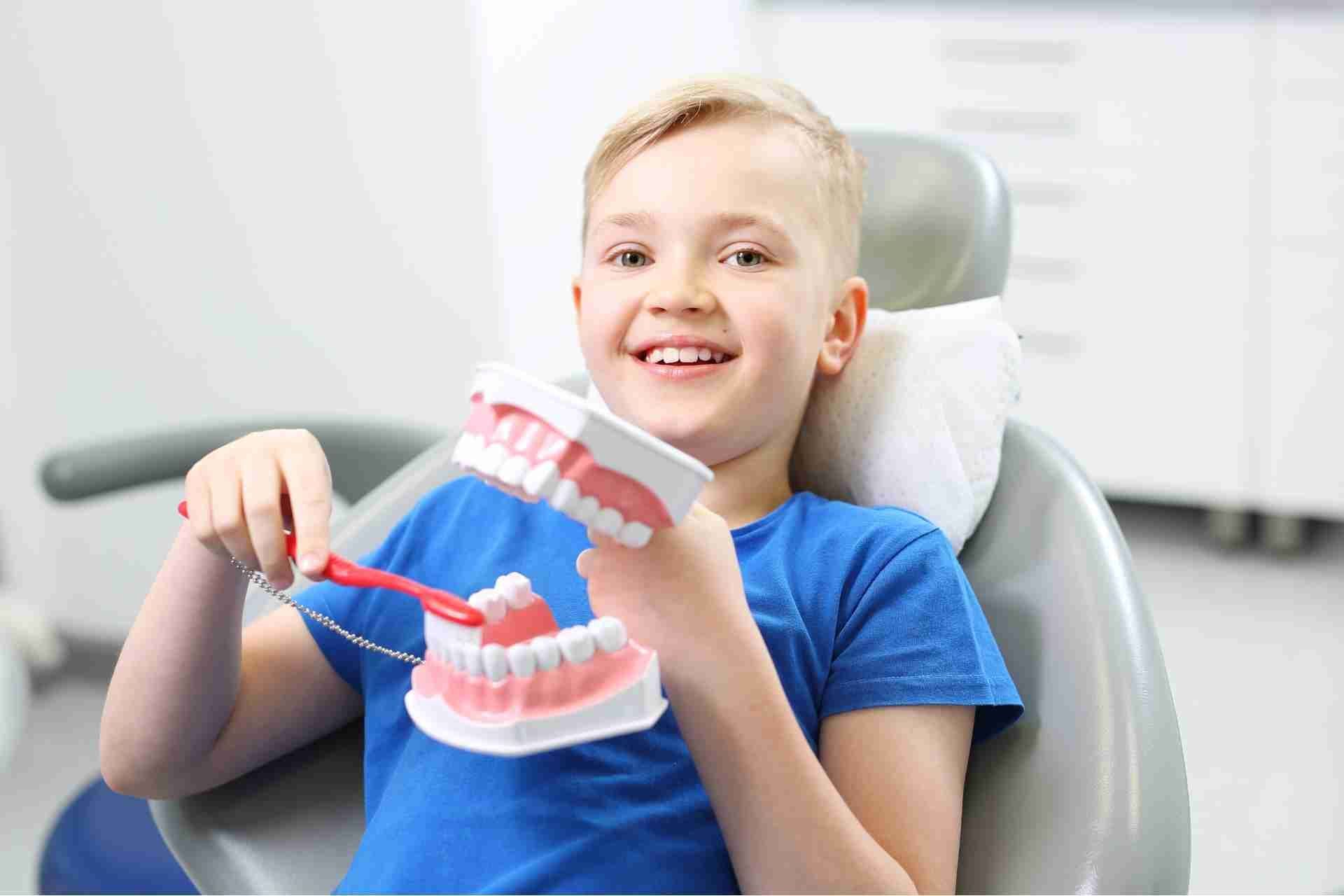
Child smiling in a dental chair, holding a model of teeth with a toothbrush
June 8, 2026
Learn how sports can affect your child's teeth. Ensure their dental safety with mouthguards ®gular check-ups. Contact us today!

Child smiling during a dental exam, with dentist wearing blue gloves and tools near the mouth
June 5, 2026
Learn why Pennington parents are scheduling orthodontic evaluations by age 7. Ensure your child's dental health with early assessments.
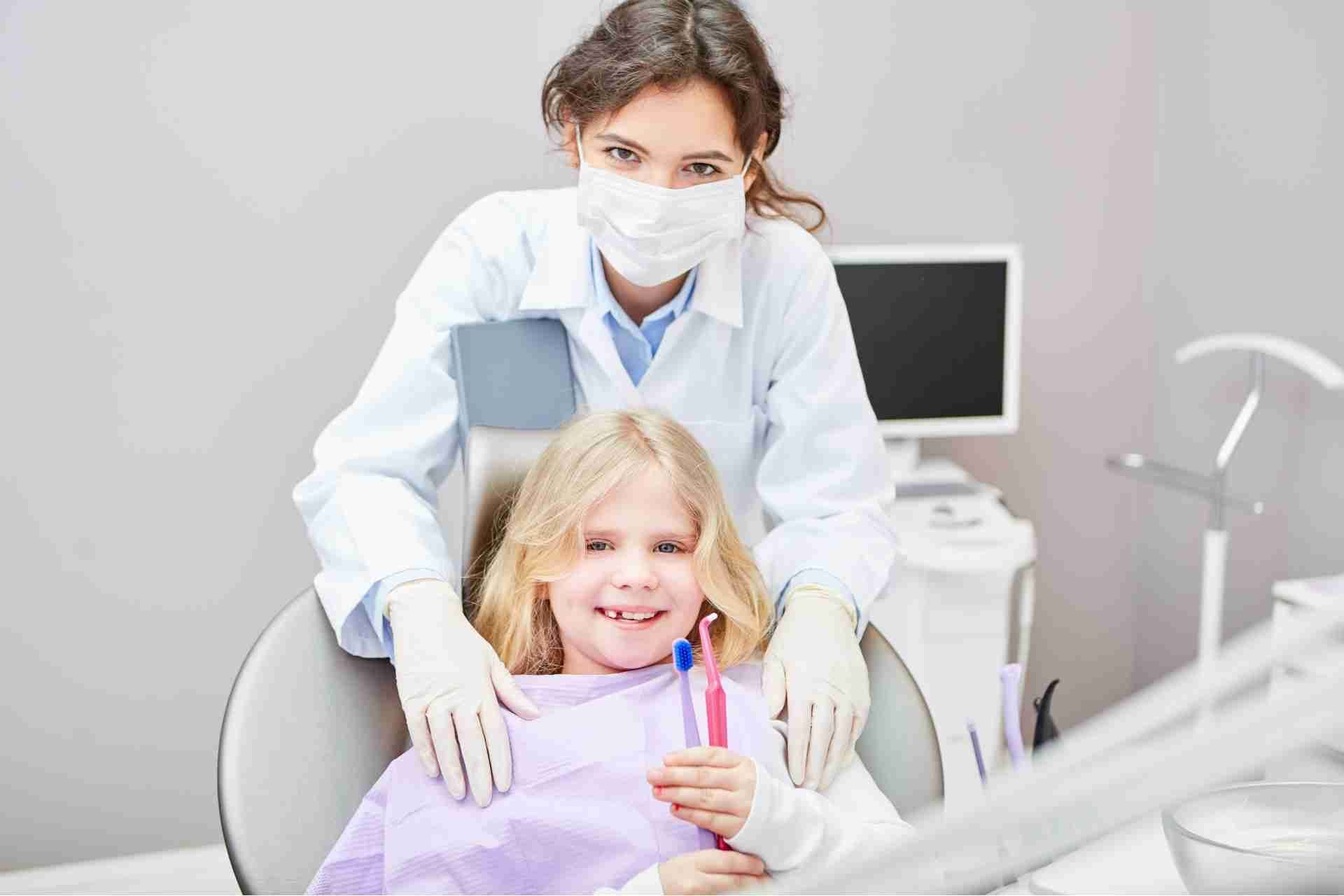
Masked dentist with a young patient in a dental office, smiling with dental tools visible.
June 3, 2026
Moving to Pennington? Learn how to choose the right pediatric dentist for your child. Focus on specialized care & a child-friendly environment.

Sleeping child in pink star pajamas lying on a bed with pink bedding
June 1, 2026
Learn to identify mouth breathing signs in children and its health impacts. Act now to improve your child's well-being!
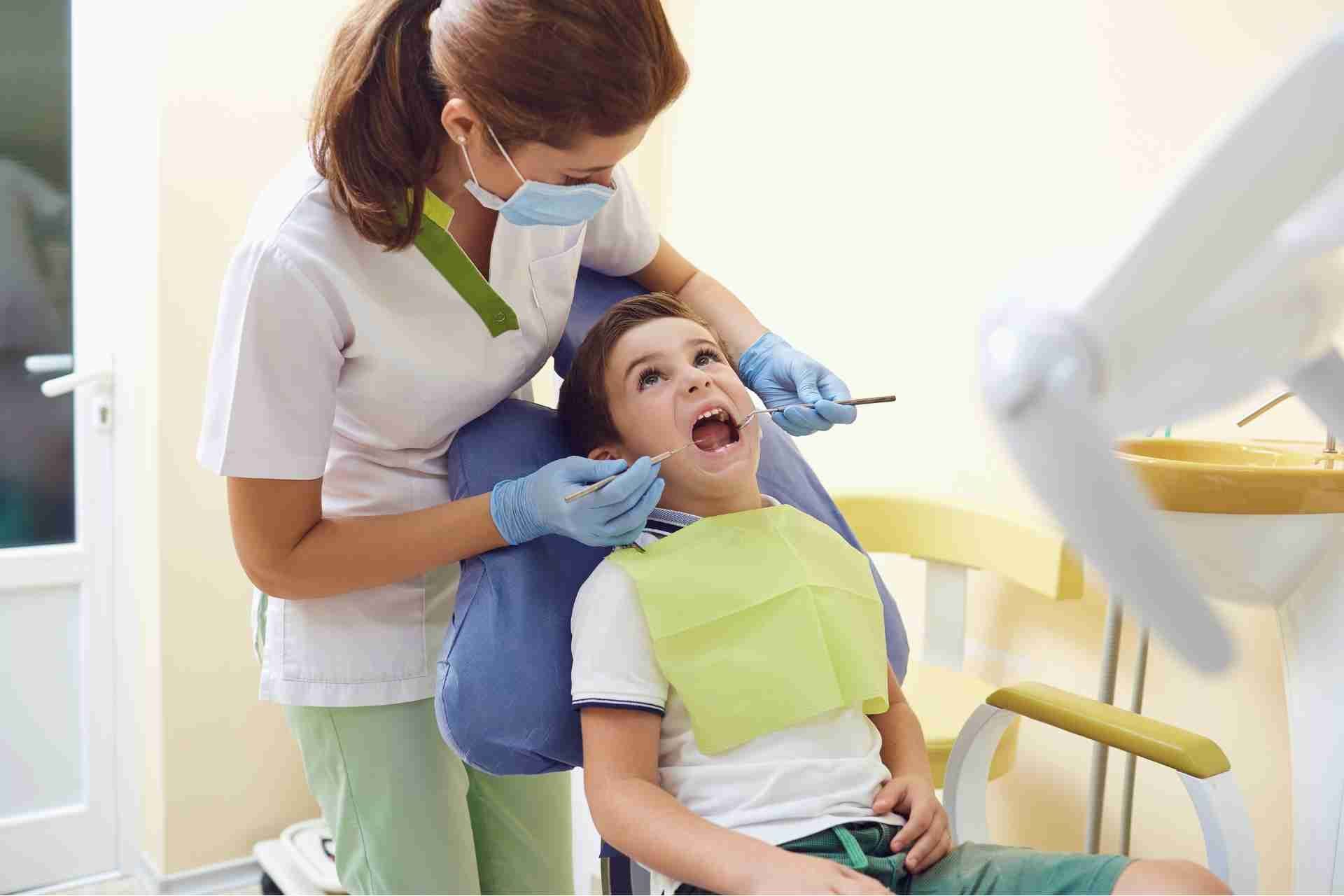
Dentist examining a young patient in a dental chair, with a blue bib and gloves in a bright clinic.
May 11, 2026
Choosing a local pediatric dentist ensures tailored care for your child. Schedule an appointment today for a kid-friendly experience!
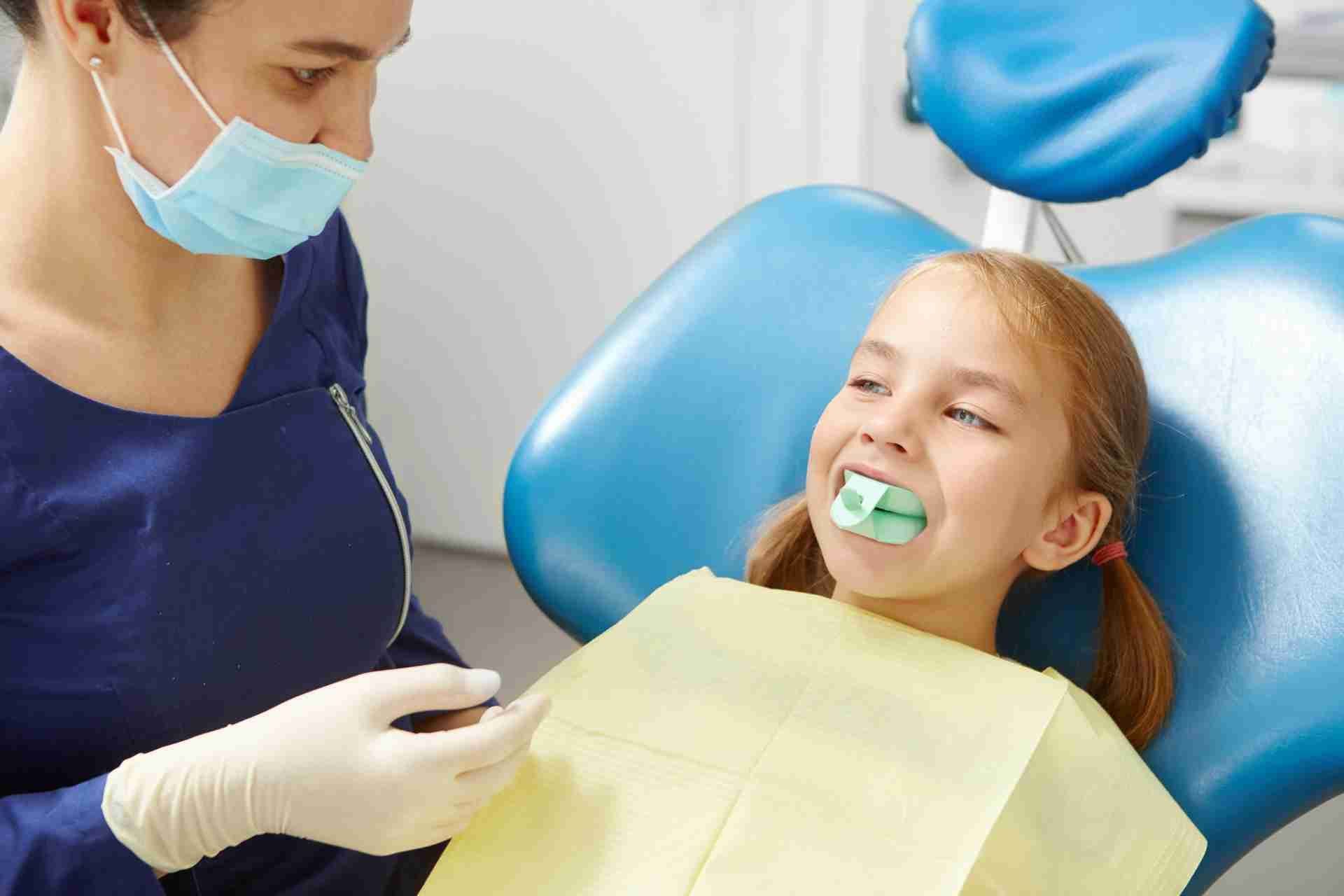
Dentist examining a smiling patient in a dental chair with a yellow bib
May 8, 2026
Learn why pediatric dentists are vital for your child's dental health. Schedule an appointment for specialized care today!