

Improving Oral Health for the Elderly

improving oral health for the elderly

Oral health refers to the overall health of your teeth, gums, and mouth. It is important to maintain good oral health in order to prevent dental issues such as tooth decay, gum disease, and bad breath.


As we age, maintaining good oral health becomes increasingly important for overall well-being. The elderly population faces unique challenges when it comes to oral care, including health conditions, medications, and physical limitations that can impact their ability to properly care for their teeth and gums. In this article, we will explore the tips for improving oral health for the elderly and understand the importance of improving oral care in this vulnerable population. By prioritizing oral hygiene and seeking regular dental care, seniors can enjoy better overall health and quality of life.


Is it Common for Elderly Individuals to Lose Their Teeth?

It is common for elderly individuals to experience tooth loss as they age. Factors such as poor oral hygiene, underlying health conditions, medication side effects, and age-related changes in the mouth and jaw can contribute to tooth loss in the elderly population. However, with proper dental care and routine check-ups, tooth loss can be prevented or treated effectively.


Risks of Poor Oral Health for the Elderly

Older adults are at higher risk for a variety of oral health issues, including tooth decay, periodontal (gum) disease, tooth loss, and oral cancers. Here are some key factors to consider when it comes to oral health and aging:


Dry mouth

Many older adults experience dry mouth, which can be caused by medications, certain medical conditions, or simply age-related changes. Saliva plays a crucial role in protecting the teeth and gums from decay, so dry mouth can increase the risk of cavities and gum disease. Drinking plenty of water, using saliva substitutes, and avoiding tobacco and alcohol can help alleviate dry mouth.


Gum disease

Aging can lead to changes in the gums, making them more susceptible to gum disease. Regular dental check-ups and good oral hygiene practices, such as brushing and flossing daily, are essential for preventing and managing gum disease.


Tooth decay

Older adults may be more prone to tooth decay due to factors such as dry mouth, medication use, and changes in diet. It's important to continue practicing good oral hygiene habits and to see a dentist regularly for cleanings and check-ups.


Tooth loss

Tooth loss is a common issue among older adults, often as a result of gum disease, tooth decay, or other oral health problems. Missing teeth can impact chewing and speaking, as well as overall dental health. Options for replacing missing teeth include dental implants, bridges, and dentures.


Oral cancer

The risk of oral cancer increases with age, especially for those who smoke or use tobacco products. Regular dental visits can help detect early signs of oral cancer, such as sores or growths in the mouth that don't heal.


Overall health

Poor oral health is linked to a variety of systemic health issues, including heart disease, diabetes, and respiratory infections. Maintaining good oral hygiene and seeking timely dental care can help prevent these complications and support overall health and well-being.


Tips for improving oral health for the elderly


Regular dental check-ups

It's important for the elderly to visit their dentist regularly for routine check-ups and cleanings. This can help prevent and treat any dental issues before they become more serious.


Proper oral hygiene

Encourage the elderly to brush their teeth at least twice a day and floss daily to remove plaque and food particles that can lead to decay and gum disease.


Use a soft-bristled toothbrush

Older adults may have sensitive gums, so using a soft-bristled toothbrush can help prevent irritation and damage to the gums.


Stay hydrated

Dry mouth is a common issue for seniors and can contribute to tooth decay. Encourage them to drink plenty of water throughout the day to keep their mouth moist and prevent bacteria buildup.


Avoid tobacco and limit alcohol intake

Tobacco use and excessive alcohol consumption can have negative effects on oral health, including gum disease and oral cancer. Encourage the elderly to quit smoking and limit their alcohol intake.


Eat a balanced diet

A diet high in sugar and acidic foods can contribute to tooth decay and gum disease. Encourage the elderly to eat a balanced diet rich in fruits, vegetables, whole grains, and lean proteins to support overall oral health.


Use fluoride

Fluoride can help strengthen teeth and prevent decay. Encourage the elderly to use fluoride toothpaste and mouthwash to protect their teeth.


Address denture care

If the elderly wear dentures, it's important to clean them regularly and remove them at night to give the gums a chance to rest.


Be aware of medications

Some medications can have side effects that can affect oral health, such as dry mouth. Encourage the elderly to talk to their doctor or dentist about any medication side effects and options for managing them.


Stay active

Regular physical activity can help improve overall health, including oral health. Encourage the elderly to stay active and maintain a healthy lifestyle.


Have Regular Dental Visits

Regular dental visits are crucial for maintaining good oral health, especially for elderly individuals. At Pennington Orthodontics & Pediatric Dentistry, we recommend that seniors visit our office at least twice a year for routine check-ups and cleanings.


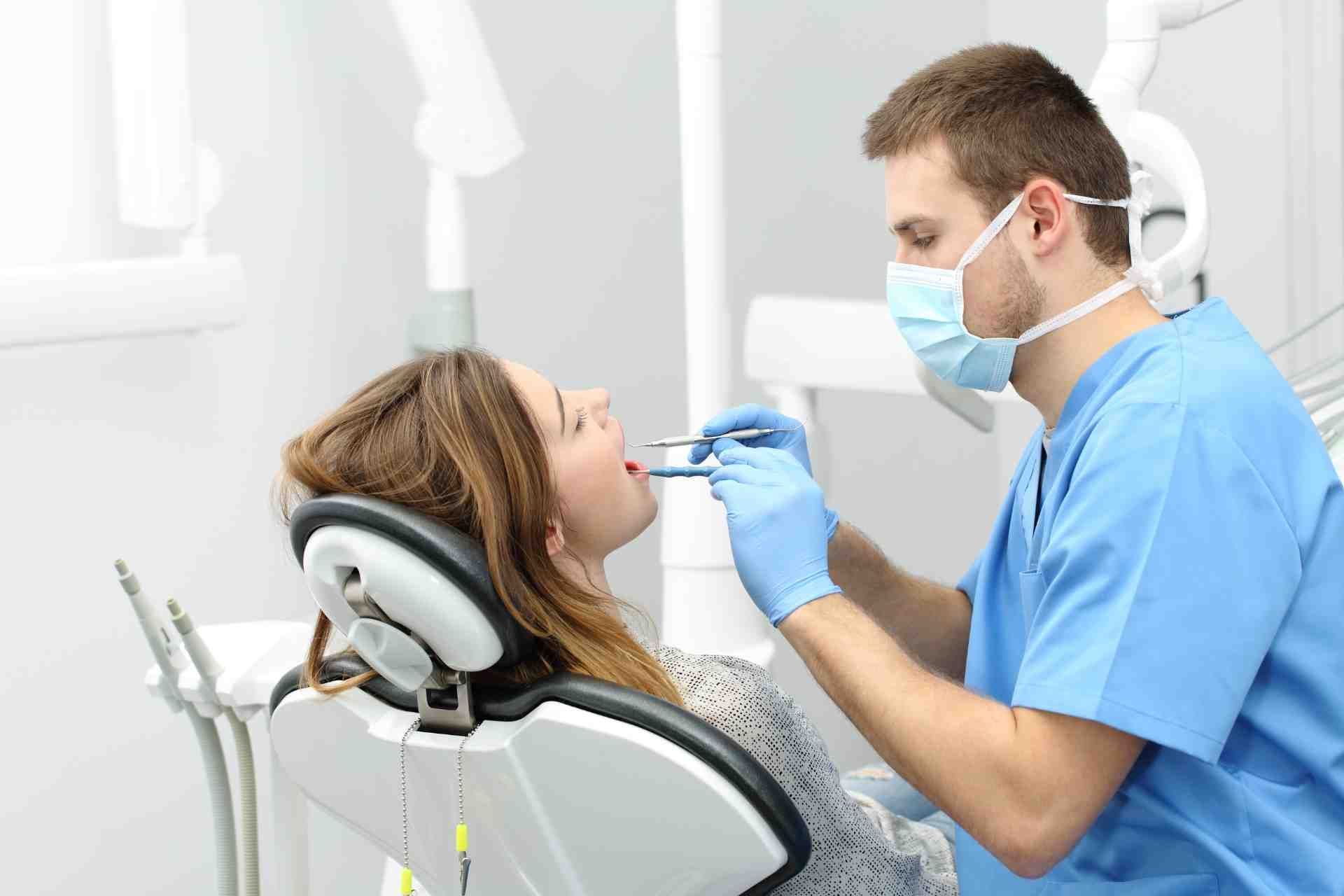
During these visits, our team of dental professionals will assess the health of your teeth and gums, screen for oral cancer, and provide preventive care to keep your smile healthy and vibrant. We can also address any concerns or issues that you may have, such as tooth sensitivity, gum disease, or missing teeth.


Contact Pennington Orthodontics & Pediatric Dentistry today to schedule an appointment for yourself or a loved one.

What to Look for in Pediatric Dentists?
March 11, 2026
You want a pediatric dentist who blends skill, safety, and a kid-first approach. Start by checking credentials and how they guide anxious children.
What to Expect from an Emergency Pediatric Dentist Visit?
March 9, 2026
When your child needs an emergency pediatric dentist, you want clear steps and calm guidance. You’ll check symptoms, call ahead, and prepare for a focused exam that targets pain and potential trauma.
Essential Questions to Ask Your Pediatric Dentist Near Me?
March 6, 2026
You want a pediatric dentist who’s qualified, patient, and prepared—but how do you know before the first appointment? Ask about credentials, behavior guidance
What to Know About Choosing a Pediatric Dentist?
March 4, 2026
You want a pediatric dentist who’s qualified, gentle, and practical—but knowing what to check can feel murky. You’ll weigh credentials, office vibe, behavior guidance, sedation safety, and preventive care like sealants or SDF.
How to Help a Nervous Child at the Dentist: Tips for a Stress-Free Visit
February 9, 2026
Taking your child to the dentist can often feel daunting, especially if they're anxious about the visit.
Understanding Pediatric Orthodontics: Signs Your Child May Need Braces
February 6, 2026
As a parent, spotting the signs that your child might need braces can be challenging.
The Complete Guide to Cavity Prevention in Children
February 4, 2026
When it comes to your child's dental health, establishing strong oral hygiene practices is crucial.
When Should My Child First Visit the Dentist? A Parent’s Guide
February 2, 2026
As a parent, you might wonder when the right time is for your child's first dental visit.
The Role of Pediatric Dentists in Supporting Children with Special Needs
January 12, 2026
When it comes to children with special needs, pediatric dentists play a crucial role in addressing their unique dental requirements.
Top Dental Challenges for Kids with Autism & How to Overcome Them
January 9, 2026
When it comes to dental visits, kids with autism often face unique challenges that can make the experience overwhelming.