Why More Pennington Parents Are Scheduling Orthodontic Evaluations by Age 7

As a parent, you might be wondering why more families in Pennington are opting for orthodontic evaluations by age 7. This shift reflects a growing awareness of how early assessments can identify potential dental issues before they become more complicated. Understanding the benefits of these evaluations can set your child on a path toward better oral health. So, what exactly should you know about these early visits and their impact on your child's future?
Why Early Orthodontic Evaluations Matter for Your Child
Since your child's dental development can significantly impact their overall health, early orthodontic evaluations are crucial. By scheduling an assessment around age 7, you can identify potential issues before they become serious problems.
At this age, your child's jaw is still developing, allowing orthodontists to spot misalignments and other concerns that may affect speech, chewing, and overall dental health. Early intervention can lead to simpler and more effective treatment options later on.
Plus, addressing issues early can boost your child's self-esteem, as a confident smile plays a vital role in their social interactions. By prioritizing these evaluations, you're taking a proactive step in ensuring your child's healthy dental future and setting them up for success.
What to Expect During Your Child’s Orthodontic Evaluation
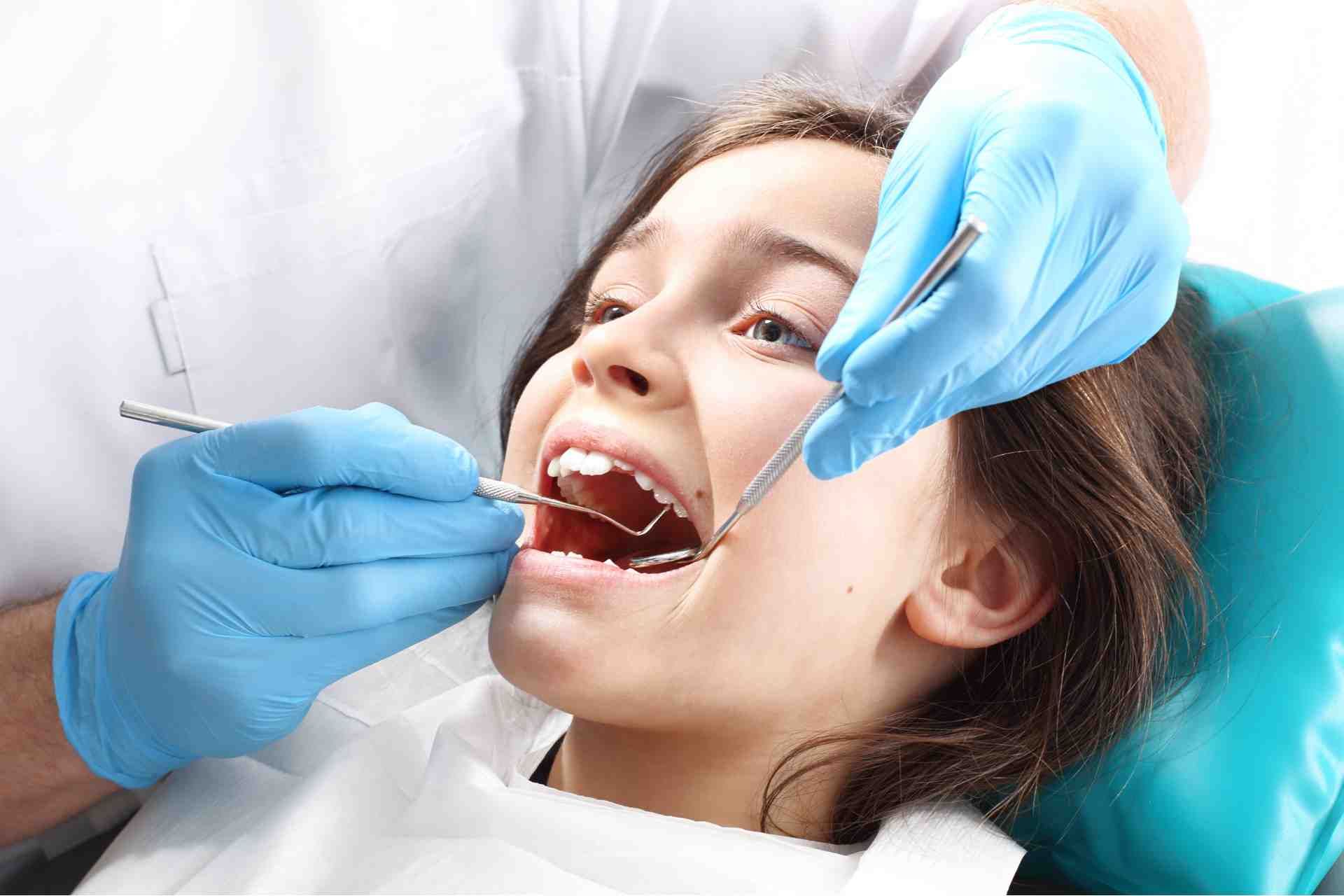
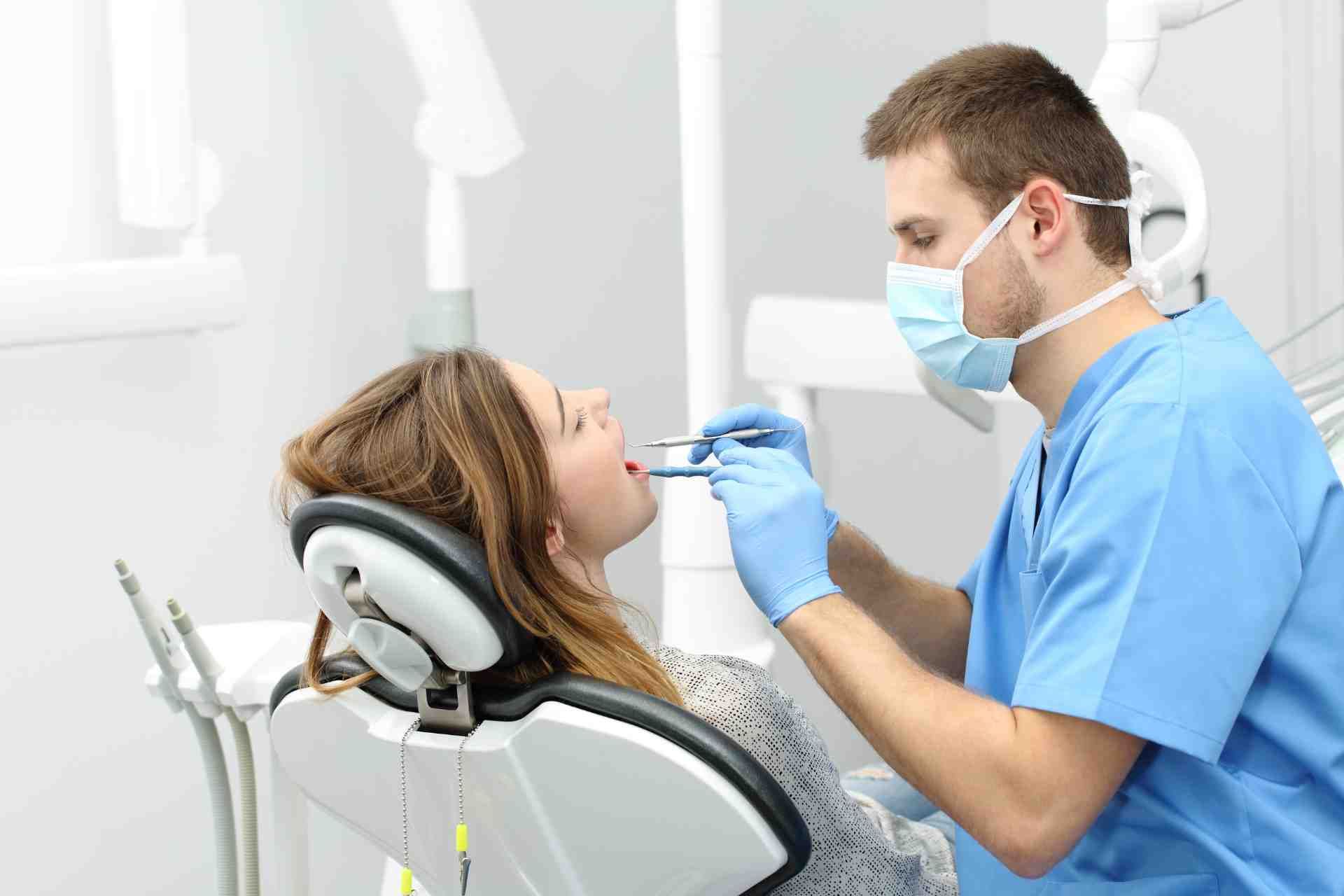
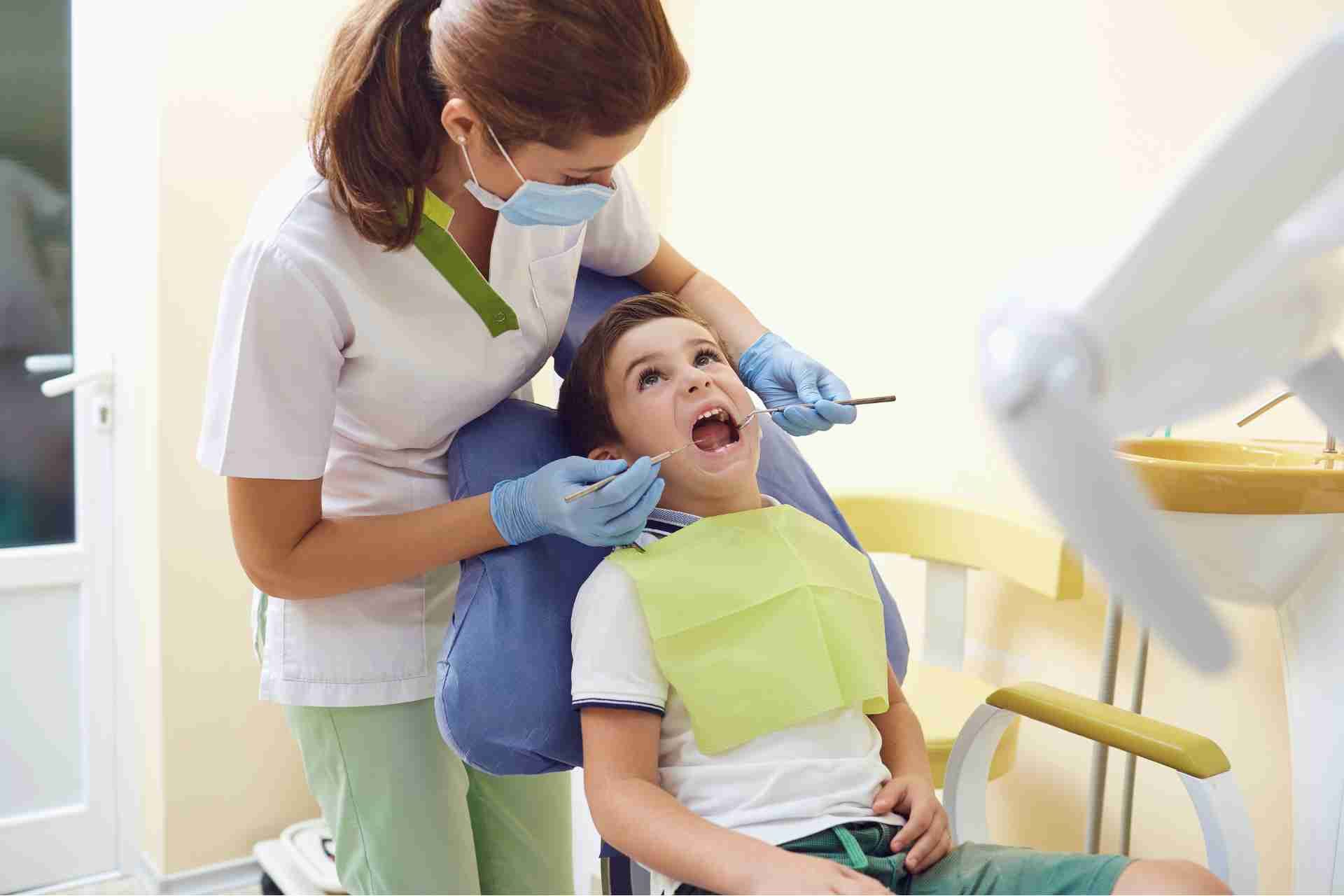
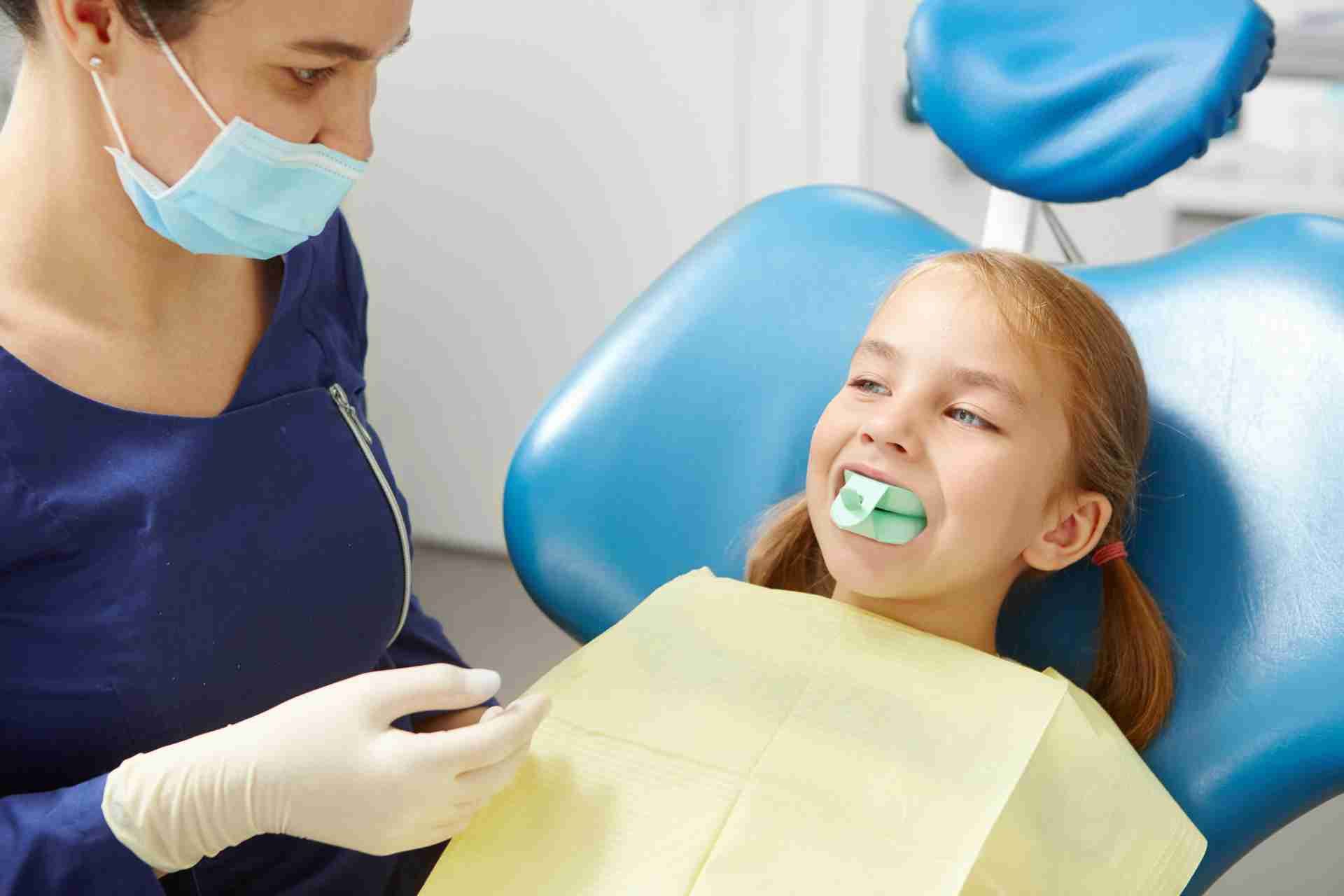
During your child's orthodontic evaluation, expect a comprehensive assessment that sets the foundation for their dental health. The orthodontist will examine your child's teeth, jaws, and bite alignment.
You'll likely discuss their dental history and any concerns you may have. The evaluation may include X-rays to provide a clearer picture of the underlying structures.
Your orthodontist will take note of how your child's teeth are growing and developing, considering factors like spacing and crowding.
This visit is an opportunity for you to ask questions and gain insights into your child's unique needs. By the end of the evaluation, you'll have a better understanding of whether your child requires early intervention or if it's best to monitor their growth for now.
Common Dental Problems Detected by Age 7
By the time your child reaches age 7, several common dental problems may become apparent, helping the orthodontist identify potential issues early on.
You might notice crowding, where teeth are too close together, or spacing issues, where gaps appear between teeth. Crossbites can also show up, leading to misalignment of the upper and lower jaws. Overbites and underbites may become noticeable as well, causing difficulties in biting and chewing.
Additionally, thumb sucking or prolonged use of pacifiers can affect dental alignment. Early detection of these issues allows for timely interventions, which can prevent more severe complications later on.
Addressing these concerns now sets the stage for a healthier, straighter smile in the future.
Benefits of Early Orthodontic Evaluations for Long-Term Health
Early orthodontic evaluations can significantly benefit your child's long-term health, as they enable the identification and treatment of potential dental issues before they escalate.
By addressing concerns early, you help prevent more complex problems down the road, such as misalignment or overcrowding, which can lead to difficulty in chewing or speaking.
Moreover, early intervention can improve your child's self-esteem by fostering a confident smile. Properly aligned teeth also contribute to better oral hygiene, reducing the risk of cavities and gum disease.
Additionally, these evaluations can enhance overall health by ensuring your child's jaw and bite develop correctly, minimizing the potential for future headaches or jaw pain.
Investing in early orthodontic care paves the way for a healthier future.
How Early Evaluations Can Save You Money
Addressing orthodontic issues at a young age not only supports your child’s health but can also lead to significant savings in the long run.
By scheduling evaluations by age 7, you can identify potential problems early, allowing for timely intervention. This proactive approach often means less extensive treatment later, which can be more costly.
Early evaluations can also minimize the need for complex procedures, such as extractions or jaw surgery, that might arise from untreated issues. Plus, many insurance plans cover early assessments, reducing your out-of-pocket expenses.
Investing in your child's orthodontic health now can prevent more expensive treatments down the road, ultimately saving you money and ensuring a healthier smile for your child.
How Parents Can Educate Themselves About Orthodontics
Many parents find it beneficial to educate themselves about orthodontics to make informed decisions for their children's dental health.
Start by visiting reputable websites, like the American Association of Orthodontists, which offers valuable resources on treatments, timelines, and costs. You can also read books or watch videos that explain common orthodontic procedures in simple terms.
Attend local seminars or workshops, where professionals share insights and answer questions. Don’t hesitate to talk directly with your child's dentist; they can guide you on when to seek an orthodontic evaluation.
Lastly, connect with other parents in your community to share experiences and recommendations.
Signs Your Child May Need an Orthodontic Evaluation?
As you become more informed about orthodontics, it's important to recognize the signs that your child may need an evaluation.
If your child has difficulty chewing or biting, this could indicate misalignment. You should also watch for teeth crowding, gaps, or prolonged thumb-sucking, which can affect their dental development.
If their teeth appear to be protruding or if they frequently bite the inside of their cheeks, it’s worth seeking advice. Additionally, if you notice speech issues or they’re losing teeth prematurely, these are signs to consider.
Early intervention can prevent more complex issues later, so don’t hesitate to consult an orthodontist if you notice any of these warning signs. Your child’s dental health is worth it!
Debunking Myths: What Parents Should Know About Early Orthodontics
What misconceptions do parents often have about early orthodontics? Many believe that waiting until all permanent teeth emerge is best, but early evaluations can catch issues before they become serious.
Some think braces are only for teens, yet interceptive treatment can set the stage for a healthier smile.
Others worry that early treatment guarantees multiple phases of braces, but that isn’t always the case.
You might also think early orthodontics is purely cosmetic, while it actually addresses functional problems like bite alignment.
By scheduling an evaluation by age 7, you’re taking a proactive step in your child’s oral health, ensuring they receive the right care at the right time.
Don’t let these myths hold you back from seeking help!
How to Pick the Best Orthodontist for Your Child
Choosing the right orthodontist for your child is crucial for ensuring a positive and effective treatment experience. Start by looking for a specialist who’s board-certified and has experience treating children.
Ask for recommendations from friends, family, or your child’s dentist. Once you’ve gathered a list, schedule consultations to assess their approach and environment.
Pay attention to how they interact with your child; a friendly demeanor can ease anxiety. Inquire about treatment options and technology used, as well as the estimated timeline and costs.
Finally, consider the office location and hours to ensure convenience. Taking these steps will help you find an orthodontist who not only meets your needs but also makes your child's orthodontic journey a pleasant one.
Next Steps After an Orthodontic Evaluation: A Parent’s Guide
After your child’s orthodontic evaluation, you might feel a mix of relief and uncertainty about what comes next. First, review the orthodontist’s recommendations carefully. They’ll outline any necessary treatments or observations, which can help you plan ahead.
Remember, it’s normal for some kids to need treatment later, while others may require immediate action.
Next, ask questions! Clarify any terms or recommendations that seem unclear. Understanding the treatment timeline and potential costs can make decision-making easier.
Finally, schedule follow-up appointments as needed. Staying proactive keeps your child on track for a healthy smile.
Keep an open line of communication with your orthodontist and trust their expertise. You're now taking significant steps toward your child’s dental health!
Conclusion
By scheduling an orthodontic evaluation by age 7, you’re taking a proactive step toward your child's dental health. Early assessments can identify issues before they become bigger problems, leading to simpler treatments and better long-term outcomes. Plus, you’ll save money in the long run! Trust your instincts as a parent and consider the benefits of early intervention. With the right orthodontist, you can help your child achieve a healthy, confident smile for years to come.