Mouth Breathing in Children: Signs Parents Shouldn't Ignore
As a parent, you might not think much about how your child breathes, but mouth breathing can lead to serious health concerns. It’s not just about how they take in air; it can affect their sleep, dental health, and even their facial structure. By recognizing the signs early, you can prevent potential complications. So, what should you look out for, and when should you take action?
What Is Mouth Breathing and Why Does It Matter?
Mouth breathing occurs when a child primarily breathes through their mouth instead of their nose, and it can lead to a variety of health issues. This habit might seem harmless, but it can significantly affect your child's overall health.
When kids breathe through their mouths, they miss out on the natural filtering and humidifying benefits of nasal breathing. This can lead to dry mouth, bad breath, and even dental problems.
Additionally, it may impact their sleep quality, leading to fatigue and attention issues during the day. Recognizing mouth breathing early is essential, as addressing it can improve your child's health and well-being.
Encourage them to practice nasal breathing, especially during physical activities, to foster better habits for a healthier future.
Top Reasons Your Child Might Breathe Through Their Mouth
There are several reasons your child might breathe through their mouth, and understanding these can help you address the issue effectively.
Allergies or nasal congestion can block airflow through their nose, causing them to resort to mouth breathing. Enlarged tonsils or adenoids may also restrict airflow, leading to this habit.
In some cases, your child might've a habit of mouth breathing due to stress or anxiety. Additionally, improper oral posture, like resting with their mouth open, can contribute to this issue.
It’s important to consider any underlying health conditions or environmental factors that could be influencing their breathing. By identifying these reasons, you can take the necessary steps to help your child breathe more comfortably and healthily.
Key Signs That Your Child Might Be a Mouth Breather
Have you noticed your child’s breathing patterns? If they often breathe through their mouth, it might be time to pay closer attention.
Look for signs like dry lips or a sore throat, which can indicate they’re not breathing correctly. You might also notice them snoring or experiencing frequent nasal congestion.
Pay attention if your child has dental issues, such as crooked teeth or gum problems, as mouth breathing can affect oral health.
Additionally, observe their energy levels; fatigue during the day can be a clue.
Lastly, watch for facial changes, including a long face or open mouth posture.
Recognizing these signs early can help you address any underlying issues and support your child’s overall health.
Does Mouth Breathing Affect Sleep Quality?
Recognizing the signs of mouth breathing is important not just for daily health but also for your child's sleep quality.
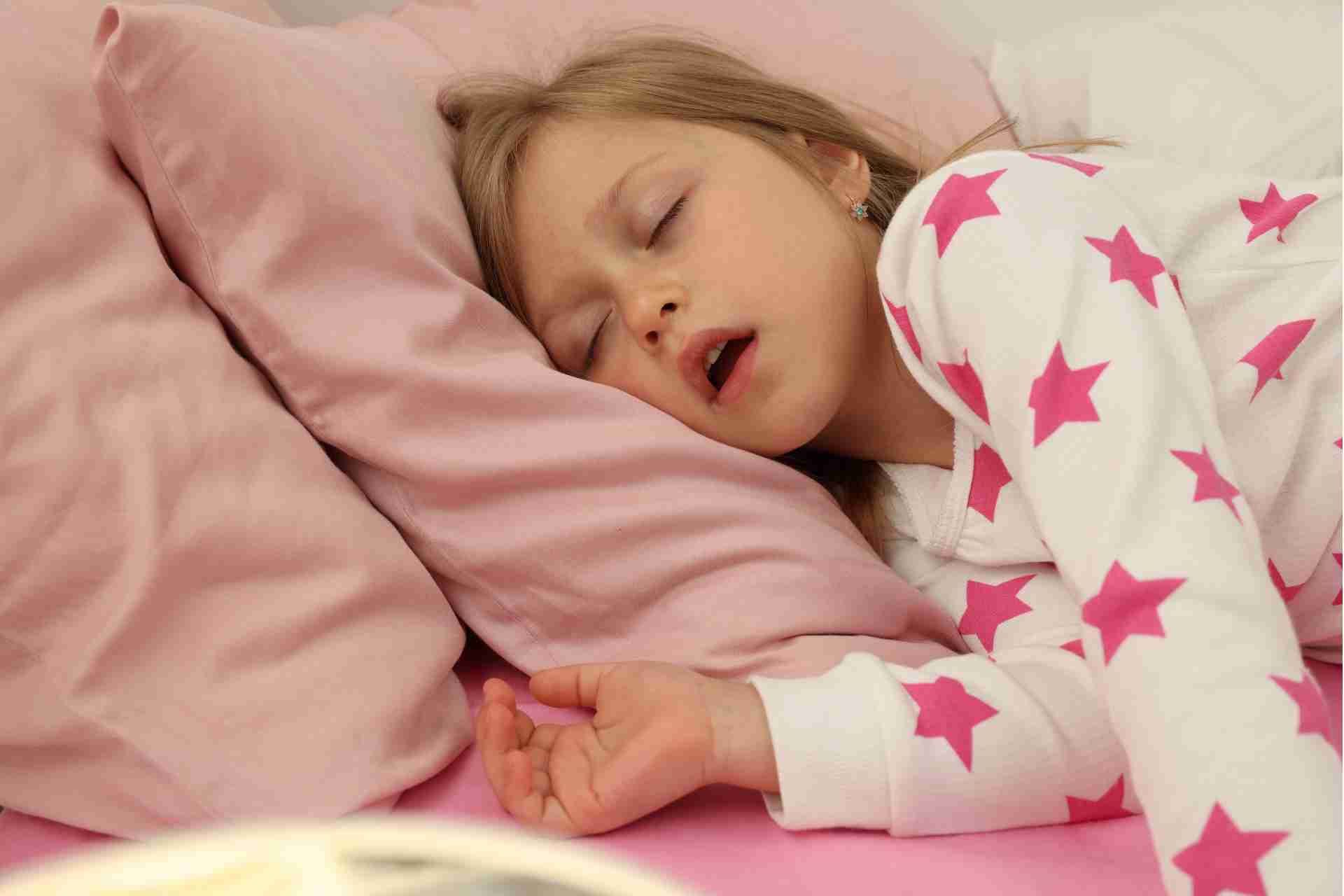
When your child breathes through their mouth at night, it can lead to disrupted sleep patterns. This often results in less restorative sleep, making them feel tired and cranky during the day.
Mouth breathing can also contribute to snoring and sleep apnea, further affecting their ability to get sufficient rest. You may notice your child waking up frequently or struggling to concentrate due to fatigue.
Addressing mouth breathing early can help improve sleep quality and overall well-being. If you suspect this is an issue, consider consulting with a healthcare professional to explore potential solutions for your child's restful sleep.
What Are the Behavioral Indicators of Mouth Breathing in Kids?
While observing your child, you might notice some behavioral indicators that suggest they’re breathing through their mouth. Look for signs like persistent dry lips or a dry mouth, as these often accompany mouth breathing.
You may also see your child frequently yawning or appearing tired, even after a full night’s sleep. Watch for any increased irritability or difficulty concentrating, as these can be linked to insufficient oxygen intake.
Additionally, if your child often snores or has noisy breathing, it could indicate mouth breathing habits. Keep an eye on their posture too; mouth breathers sometimes slouch forward, as they may be trying to get more air.
Recognizing these signs early can help you address the issue effectively.
The Impact of Mouth Breathing on Dental Health
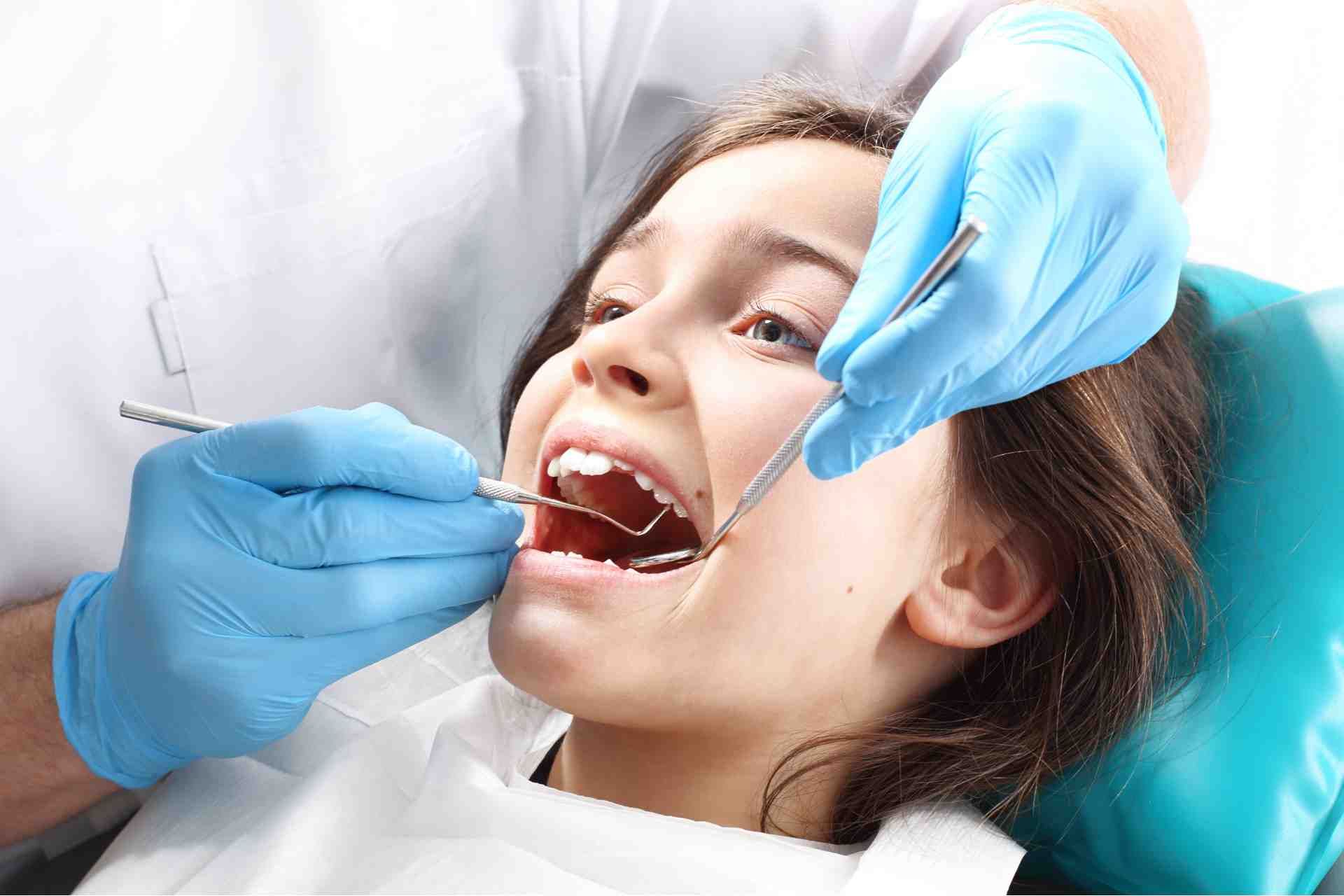
Mouth breathing not only affects a child’s overall health but can also lead to significant dental issues.
When your child breathes through their mouth, it can dry out their saliva, which plays a crucial role in fighting cavities and bacteria. This dryness increases the risk of tooth decay and gum disease.
Additionally, improper jaw alignment may occur, leading to bite issues and misaligned teeth. You might notice your child developing bad breath, stained teeth, or even tooth sensitivity.
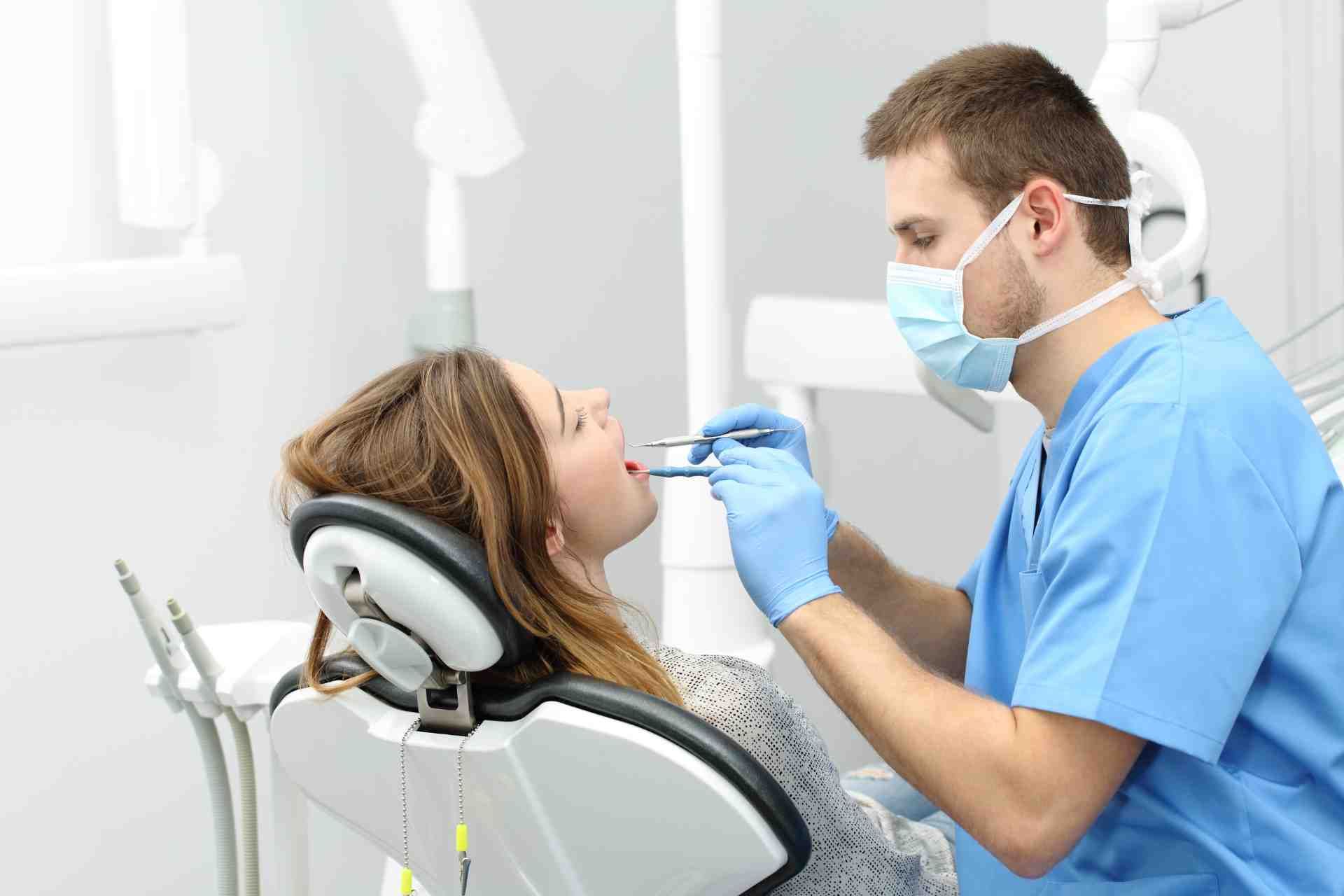
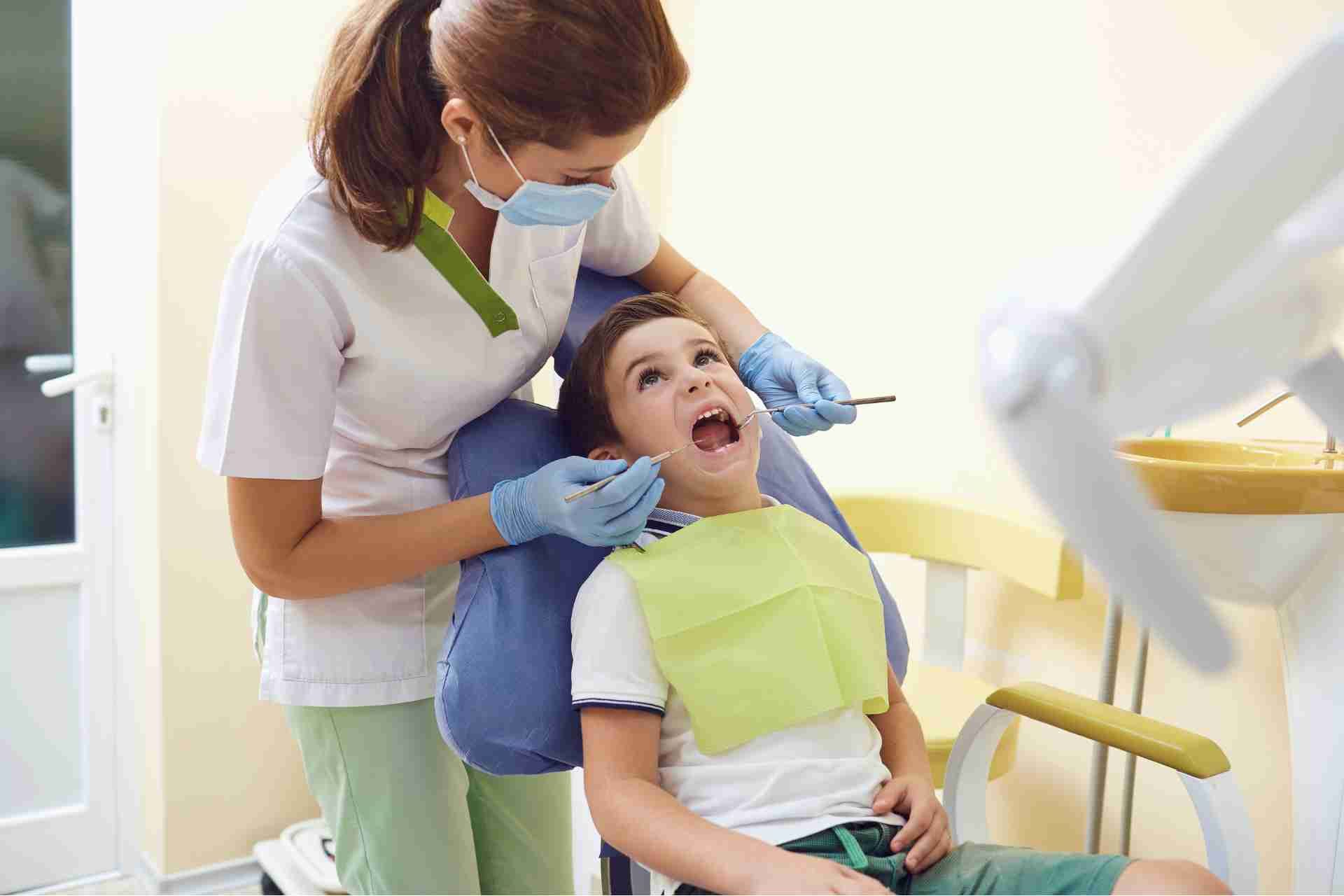
It’s essential to address these problems early on to prevent further complications and ensure your child maintains a healthy smile. Regular dental check-ups can help catch these issues before they escalate, so don’t hesitate to discuss mouth breathing with your dentist.
Long-Term Risks of Mouth Breathing
If left unaddressed, mouth breathing can lead to a host of long-term health issues that extend beyond dental problems.
You might notice that your child struggles with chronic fatigue or has trouble concentrating. Mouth breathing can disrupt sleep patterns, leading to conditions like sleep apnea, which affects overall health and development.
It can also contribute to facial abnormalities, including a long face and misaligned teeth, which may require orthodontic intervention later on.
Additionally, breathing through the mouth can dry out the airways, increasing the risk of respiratory infections and allergies.
When to Seek Professional Help for Mouth Breathing
When should you consider seeking professional help for your child's mouth breathing? If your child consistently breathes through their mouth, especially during sleep, it’s time to take action.
Notice if they experience frequent snoring, dry mouth, or bad breath; these can indicate underlying issues. Pay attention to any signs of sleep disturbances, like restless nights or excessive daytime fatigue.
If you observe dental problems, such as misaligned teeth or gum issues, consult a dentist. Additionally, if your child suffers from recurrent throat infections or chronic sinus problems, don't hesitate to seek help.
Early intervention can prevent more serious complications down the line, so trust your instincts and consider consulting a healthcare professional for a thorough evaluation.
Effective Solutions and Treatments for Mouth Breathing
Finding effective solutions and treatments for your child's mouth breathing can significantly improve their overall health and quality of life.
First, identify the underlying cause, such as allergies, enlarged tonsils, or nasal obstructions. Consulting an ENT specialist can help pinpoint these issues.
Encourage your child to breathe through their nose by practicing breathing exercises and using nasal strips to keep their airways open.
Implementing good oral hygiene and a balanced diet can also aid in reducing mouth breathing.
In some cases, orthodontic treatment may be necessary to correct dental issues contributing to the problem.
Conclusion
In conclusion, if you notice your child displaying signs of mouth breathing, it’s crucial to take action. Ignoring these signs can lead to sleep disturbances, dental issues, and long-term health risks. By staying vigilant and seeking professional help when necessary, you can ensure your child’s well-being. Remember, addressing mouth breathing early can pave the way for a healthier future, so don’t hesitate to explore effective solutions and treatments that work for your child.