When Should My Child First See An Orthodontist
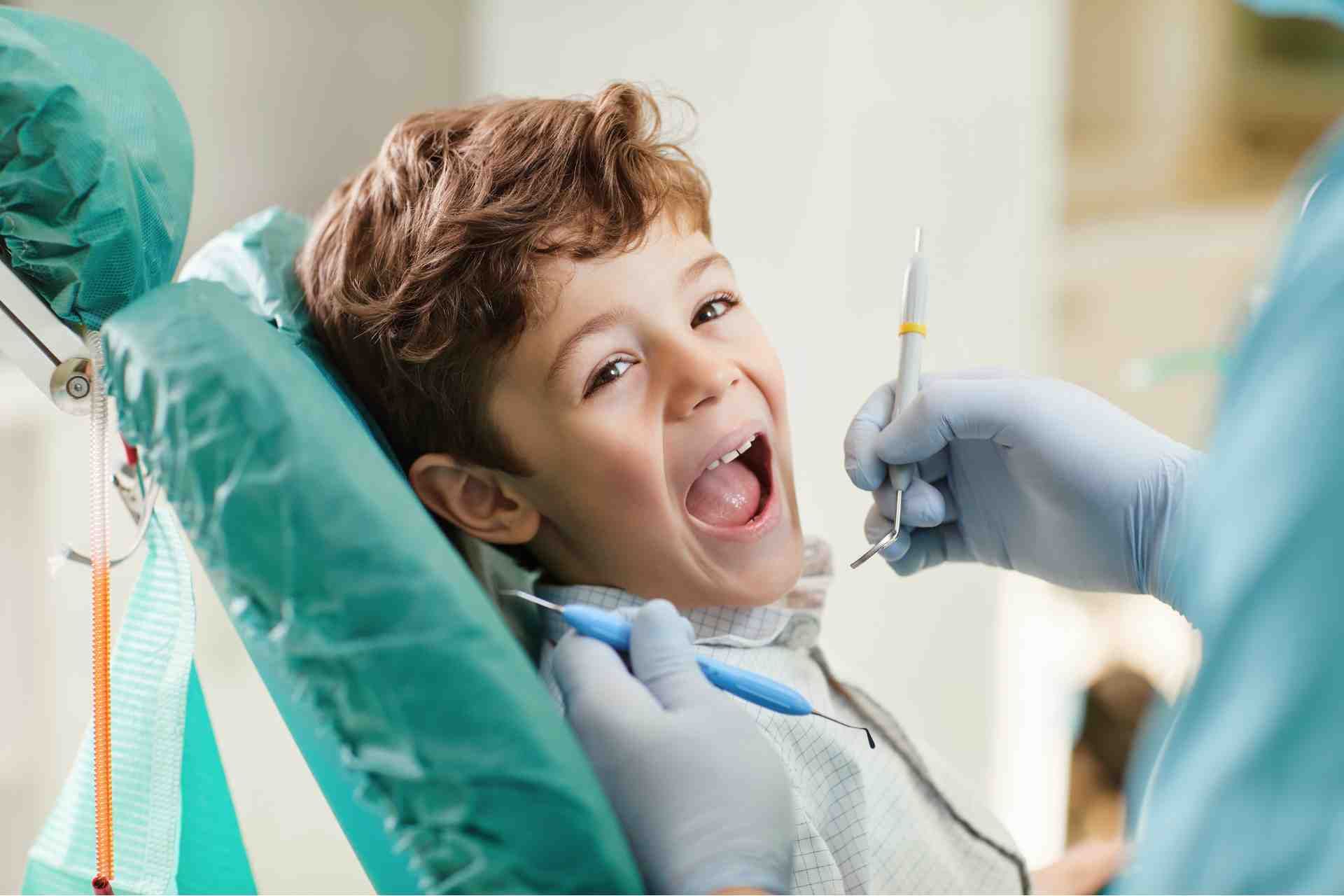
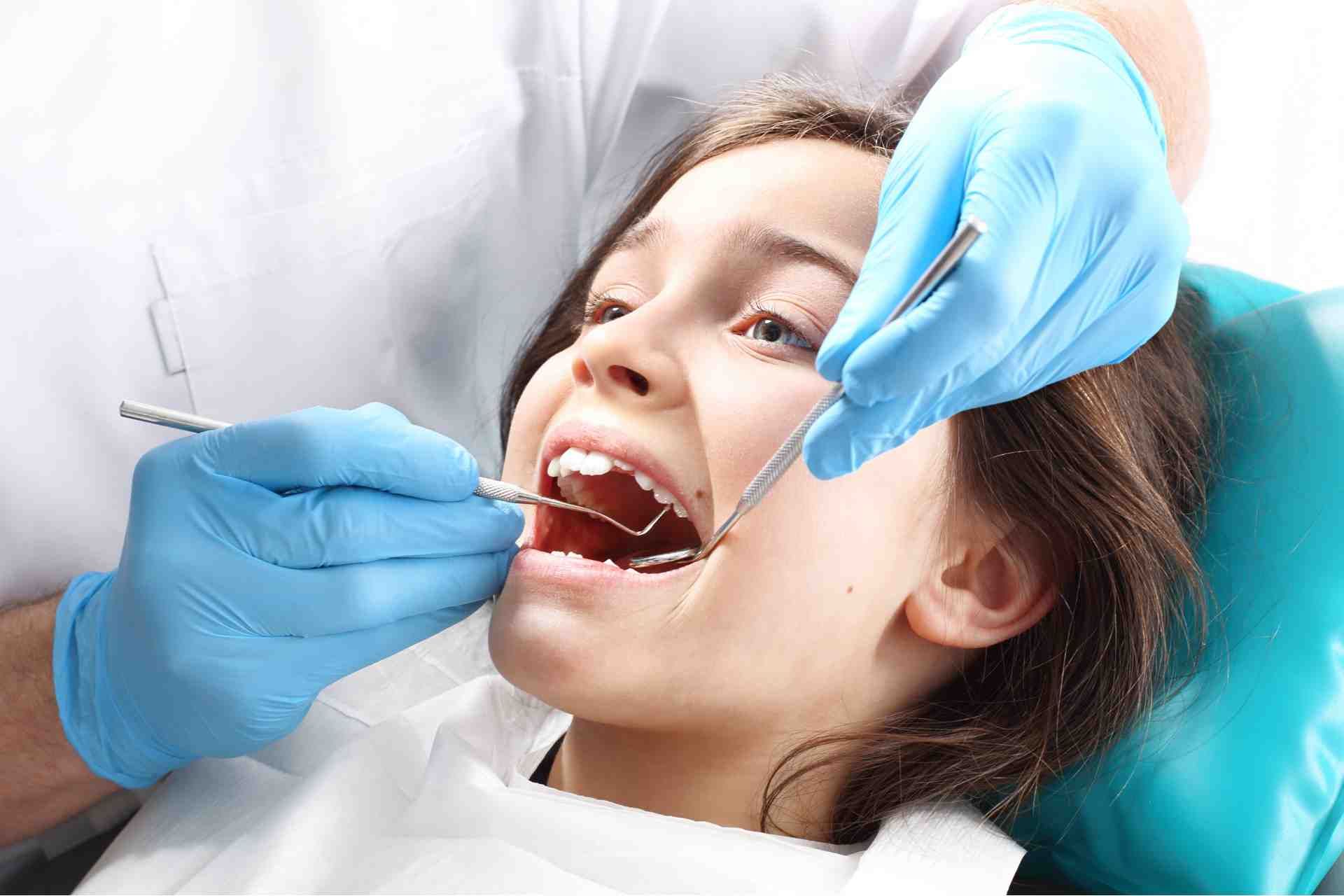
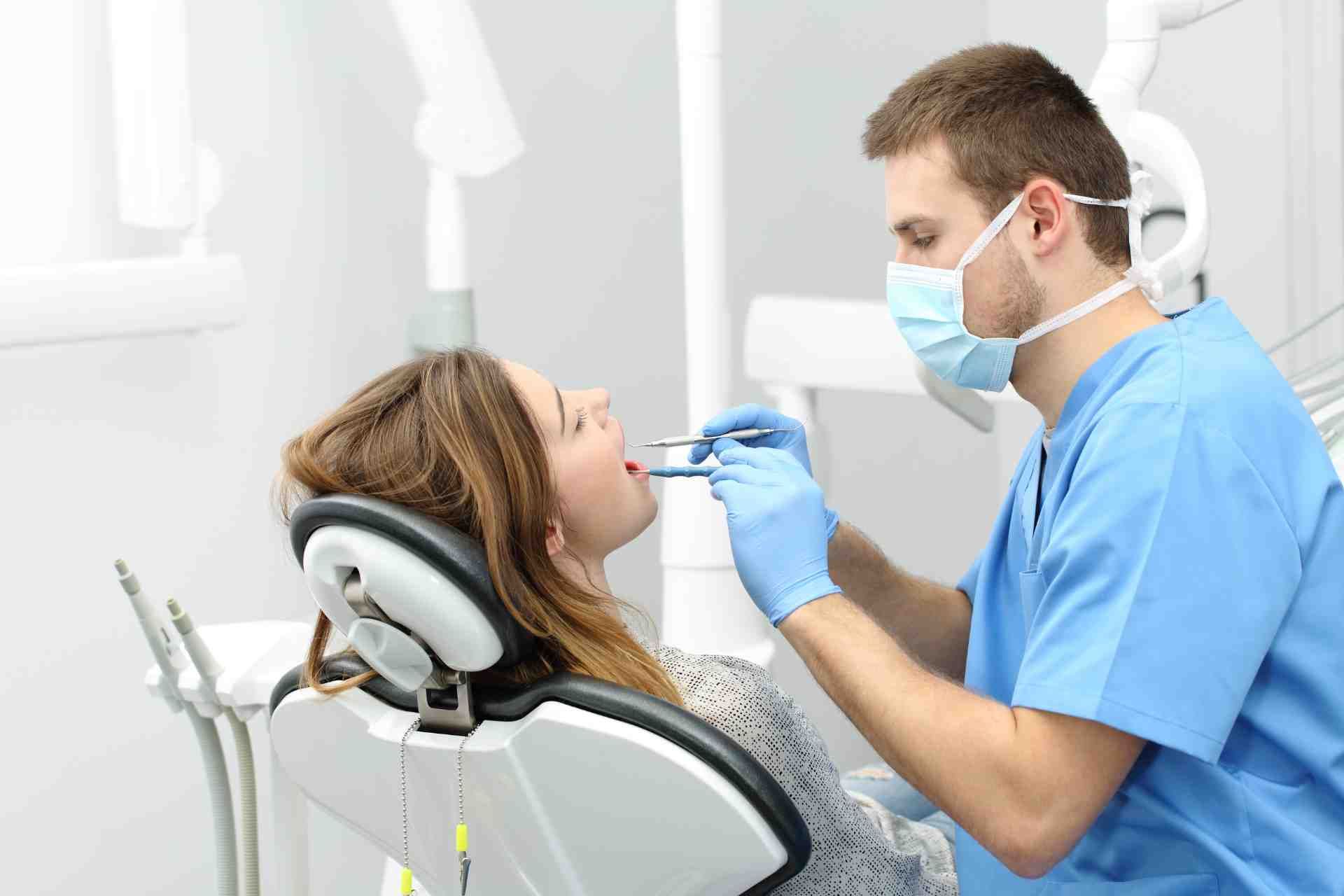
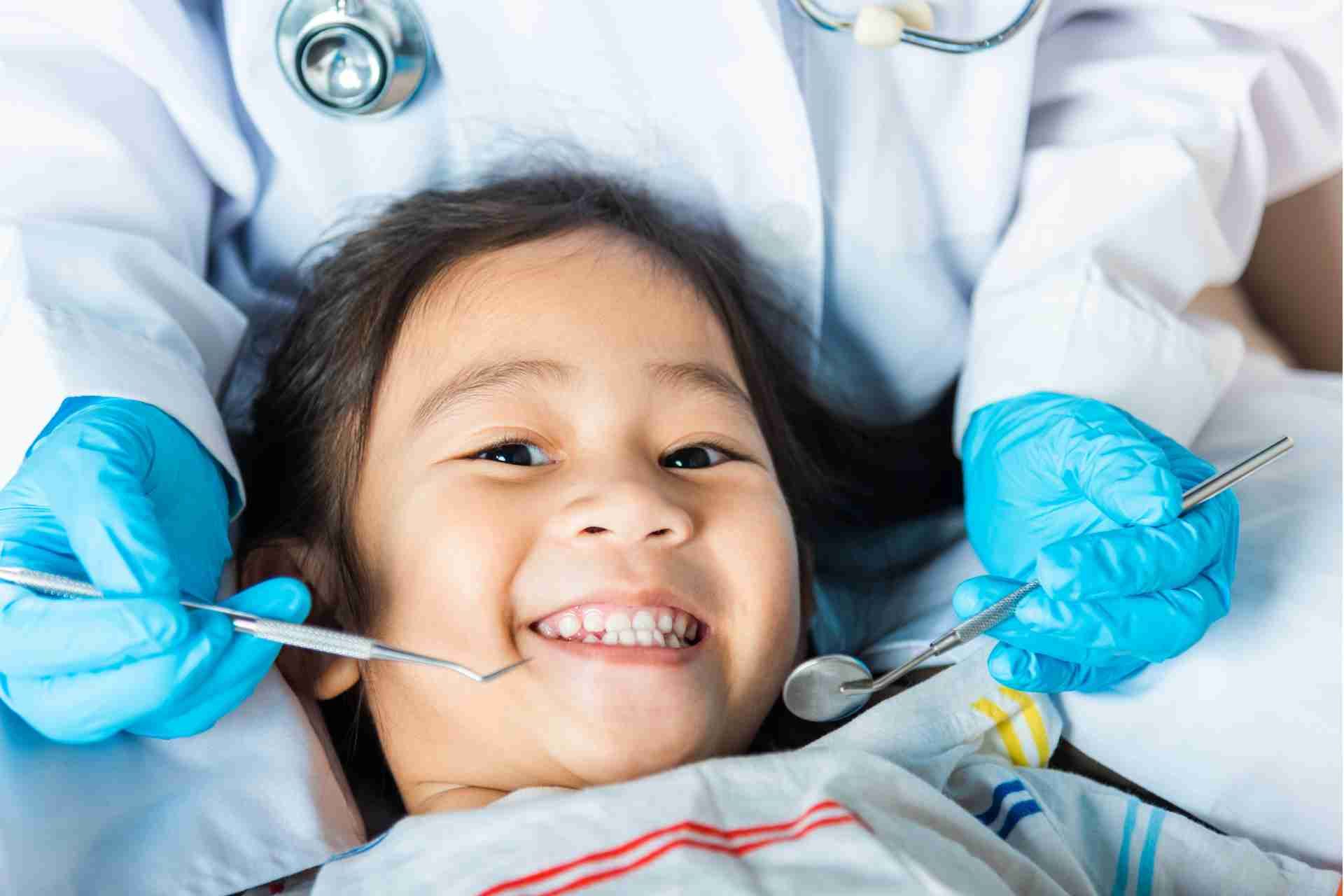
As a parent, it's natural to wonder when your child should have their first orthodontic visit. By age seven, primary teeth start to fall out, making it an ideal time for an evaluation. Early assessments can reveal hidden issues and guide future dental development. But what specific signs should you look for? And how can addressing these matters early benefit your child's overall oral health? Let's explore these important questions.
Why Early Orthodontic Visits Matter for Your Child
Early orthodontic visits can make a significant difference in your child's dental health. By starting these visits around age seven, you give orthodontists a chance to identify any potential issues before they become serious. This proactive approach can lead to less invasive treatments and shorter overall time in braces.
You’ll also find that early assessments can help guide your child’s dental development, ensuring their teeth and jaws align properly as they grow.
Catching problems early can prevent complications later on, which could save you time and money. Plus, a healthy smile boosts your child's confidence, making social interactions easier.
Prioritizing these early visits sets the foundation for a lifetime of good oral health and a beautiful smile.
Signs Your Child Might Need to See an Orthodontist?
If you notice your child experiencing difficulty while biting or chewing, it may be time to consult an orthodontist.
Other signs to watch for include noticeable gaps between teeth, crowding, or teeth that appear misaligned. If your child frequently breathes through their mouth or has a lisp, these could indicate underlying orthodontic issues.
Additionally, if they often bite their cheeks or experience jaw pain, it’s worth getting a professional opinion. You should also consider a visit if their teeth don’t come together properly when they close their mouth.
Early intervention can help address these problems and promote a healthier smile. Trust your instincts—if something seems off, it’s always best to seek advice from an orthodontic specialist.
The Ideal Age for a Child’s First Orthodontic Evaluation
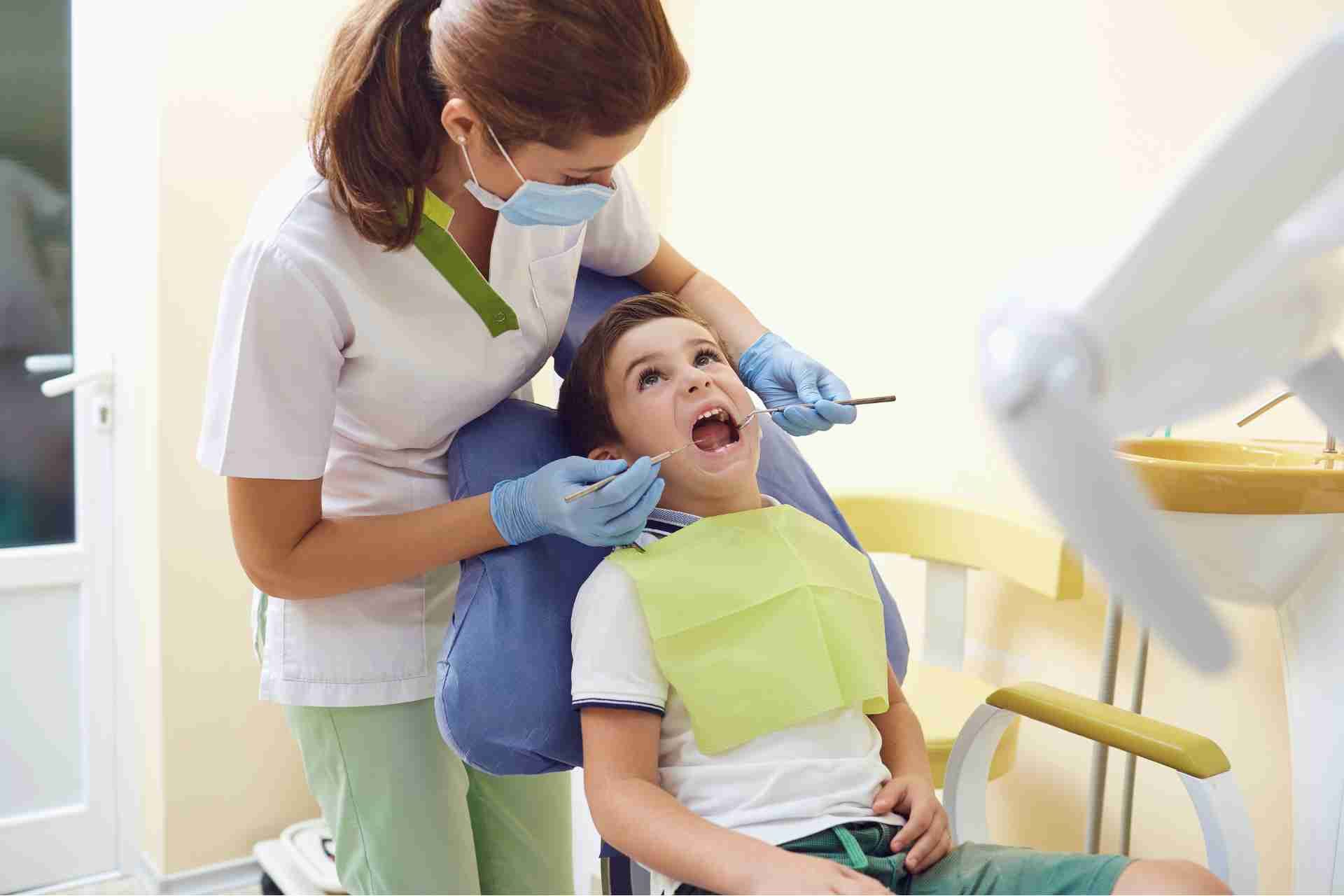
Most experts recommend that children have their first orthodontic evaluation by age seven. At this age, your child's primary teeth are starting to fall out, and their permanent teeth are emerging. This is an important phase where potential issues can be identified early.
By visiting an orthodontist at this age, you can assess growth patterns and the alignment of teeth, allowing for proactive measures if necessary. Early evaluations can help catch problems like overcrowding or bite issues before they develop into more serious concerns.
If treatment is needed, starting earlier often leads to more effective results. Don't wait until your child’s teenage years; addressing orthodontic needs early can set the foundation for a healthy smile.
Common Orthodontic Issues Your Child May Face
Many children encounter common orthodontic issues as their teeth develop. You might notice crowding, where teeth don't have enough space and overlap.
Gaps between teeth can also occur, leading to spacing issues. Another common problem is overbite or underbite, where the upper and lower teeth misalign.
Crossbites, where teeth don’t fit together properly, can affect chewing and jaw alignment. Additionally, thumb-sucking or prolonged use of pacifiers can cause misalignment over time.
It’s essential to keep an eye on these issues, as they can affect your child's oral health and confidence. Regular check-ups with an orthodontist can help identify these problems early and guide you on the best course of action.
Benefits of Early Intervention in Orthodontics
Early intervention in orthodontics can make a significant difference in your child's dental development. By addressing issues early, you can help prevent more severe problems later on.
This proactive approach often leads to shorter treatment times and less invasive procedures, saving you both time and money in the long run. Additionally, early intervention can enhance your child’s self-esteem by improving their smile at an age when peer opinions matter most.
With regular check-ups, you’ll stay ahead of potential complications that could arise as their teeth and jaws continue to grow. Ultimately, catching problems early means your child can enjoy a healthier, more aligned smile throughout their life.
It’s a smart investment in their overall well-being.
How Early Intervention Leads to Successful Orthodontic Outcomes
When you address orthodontic issues early, you're setting your child up for successful outcomes in their dental journey.
Early intervention allows your orthodontist to monitor growth patterns and identify potential problems before they become more complex. By catching issues like crowding or misalignment in their early stages, you can often reduce the need for extensive treatment later on.
This proactive approach can lead to shorter treatment times and better results. Additionally, addressing bite issues early can improve your child’s overall oral health and self-esteem, as they’ll be more comfortable with their smile.
Investing in early orthodontic care not only saves time and money but also fosters a positive attitude toward dental visits, making future treatments smoother and less intimidating.
What Types of Orthodontic Treatments Are Available?
Understanding the types of orthodontic treatments available can help you make informed decisions for your child’s dental care.
Common options include traditional metal braces, which are effective for various alignment issues. Ceramic braces offer a more discreet look, blending with your child’s teeth.
If your child prefers a removable option, clear aligners like Invisalign might be a great choice, gradually shifting teeth without the visibility of braces.
For severe bite issues, your orthodontist may suggest functional appliances to guide jaw growth and alignment.
Additionally, retainers are often used post-treatment to maintain results.
Each treatment varies in duration and suitability, so discussing your child’s unique needs with an orthodontist is essential to find the best fit.
Understanding the Costs of Orthodontic Treatment for Kids
Navigating the costs of orthodontic treatment for kids can feel overwhelming, but it's an important step in ensuring your child’s oral health.
The total cost varies widely, depending on factors like the type of treatment, the complexity of the case, and your location. On average, you might expect to pay between $3,000 and $7,000 for braces or aligners.
Many orthodontists offer payment plans to help manage these costs, breaking down the total into manageable monthly payments.
Don’t forget to check if your dental insurance covers some orthodontic expenses, as this can significantly reduce your out-of-pocket costs.
Being proactive about understanding these expenses can help you make informed choices for your child’s treatment.
How to Prepare Your Child for Their First Orthodontist Visit
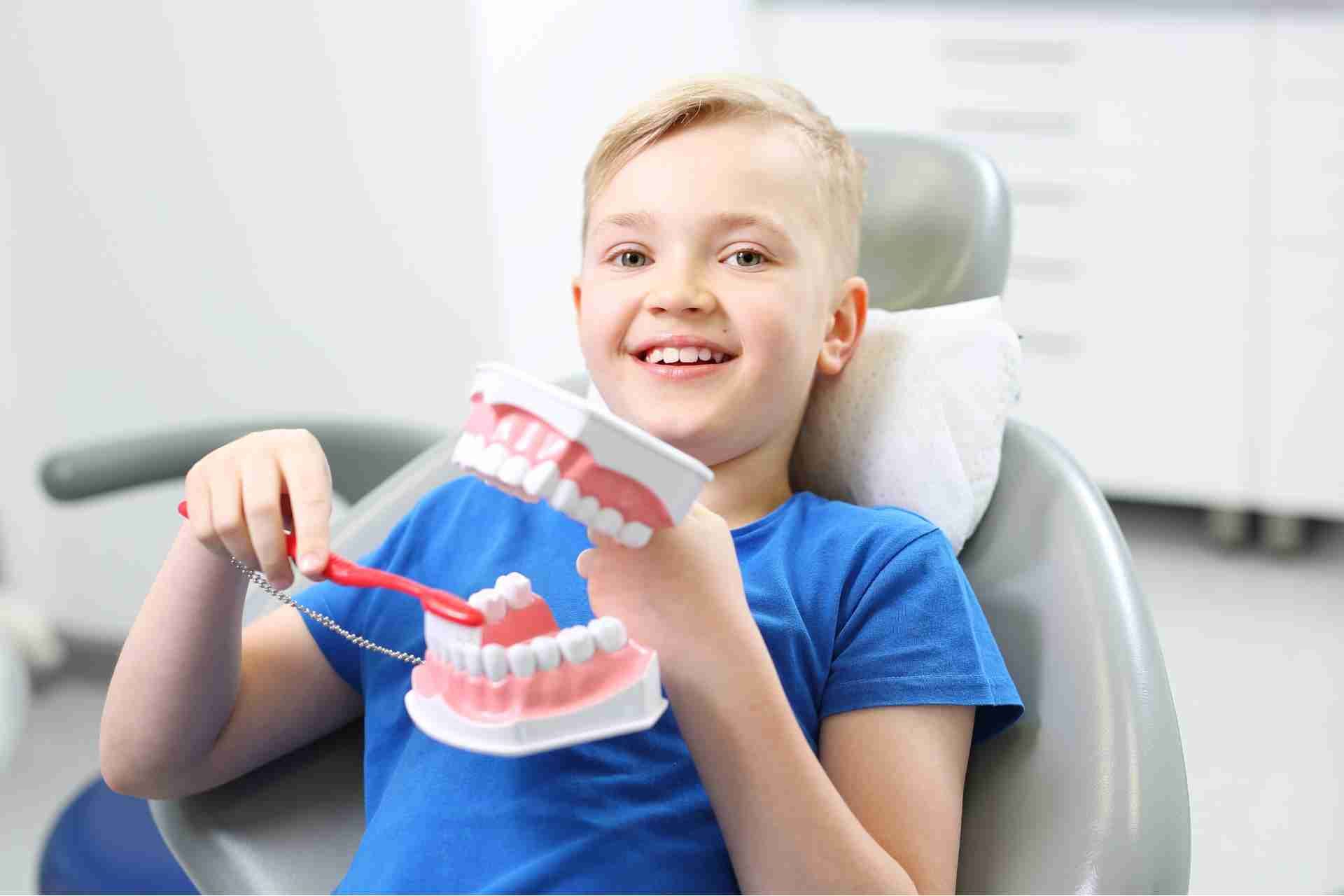
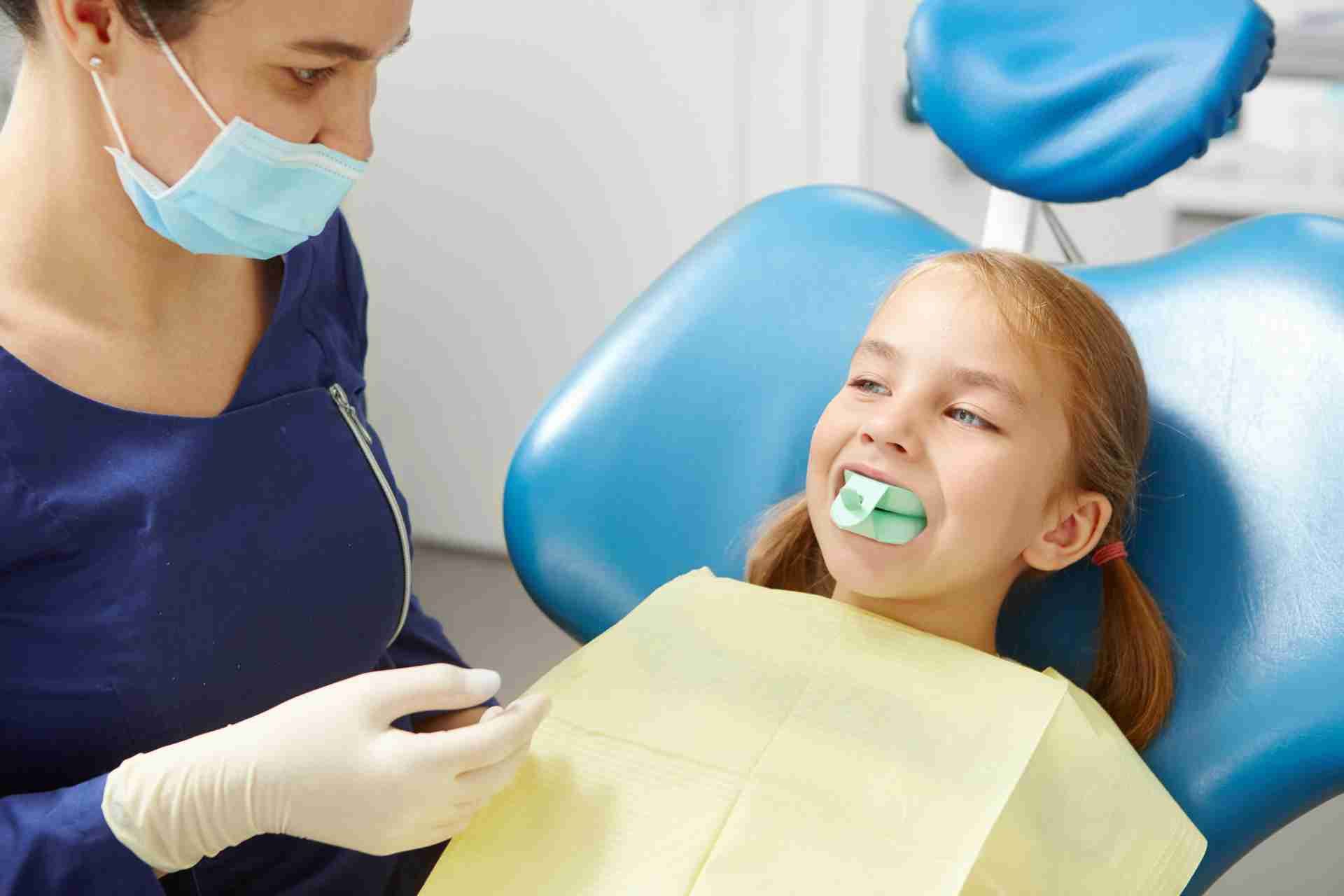
How can you make your child’s first visit to the orthodontist a positive experience? Start by talking to your child about what to expect. Explain that the appointment is a routine check-up, similar to a dentist visit.
You can even role-play the experience, using terms like “brace” or “retainer” to familiarize them with the language. Encourage questions and address any concerns they might have.
Make the day special by choosing a small treat afterward, so your child associates the visit with something positive.
Arrive early to avoid feeling rushed, and bring any necessary paperwork.
Lastly, maintain a calm demeanor throughout the visit; your attitude will set the tone for how your child feels!
How Can Orthodontic Treatment Boost Your Child’s Confidence?
Orthodontic treatment can significantly enhance your child's confidence, especially when they see improvements in their smile. As their teeth align and gaps close, they'll likely feel more comfortable showing off their grin.
This newfound self-assurance can positively impact various aspects of their life, from social interactions to academic performance.
When your child feels good about their appearance, they're more inclined to participate in activities and make new friends. Plus, a healthy smile can lead to better oral hygiene habits, further boosting their confidence.
Encouraging your child to embrace the orthodontic journey can help them understand that investing in their smile is an investment in their self-esteem, shaping a more confident future.
Conclusion
In summary, scheduling your child's first orthodontic evaluation by age seven is crucial for their dental health. Early visits help catch potential issues early, making treatment more effective and less complicated later on. By being proactive, you not only support their oral development but also boost their confidence as they grow. Don’t wait—take that important step today to ensure your child’s smile is healthy and bright!