Surprising Benefits of Regular Dental Cleanings
Dental cleaning, also known as prophylaxis, is an essential part of maintaining good oral health. Many people dread going to the dentist for their bi-annual cleaning, but it is a necessary procedure to prevent gum disease, cavities, and other oral health issues.
Did you know that regular dental cleaning offers even more benefits than just keeping your teeth and gums healthy?
In this blog post, we will explore some surprising benefits of regular dental cleanings that may encourage you to make them a priority in your oral hygiene routine.
From preventing serious health conditions to improving your overall well-being, the benefits of regular dental cleanings go far beyond just a bright smile. Let's dive in and discover how these routine appointments can have a positive impact on your life.
What to Expect During Regular Dental Cleanings
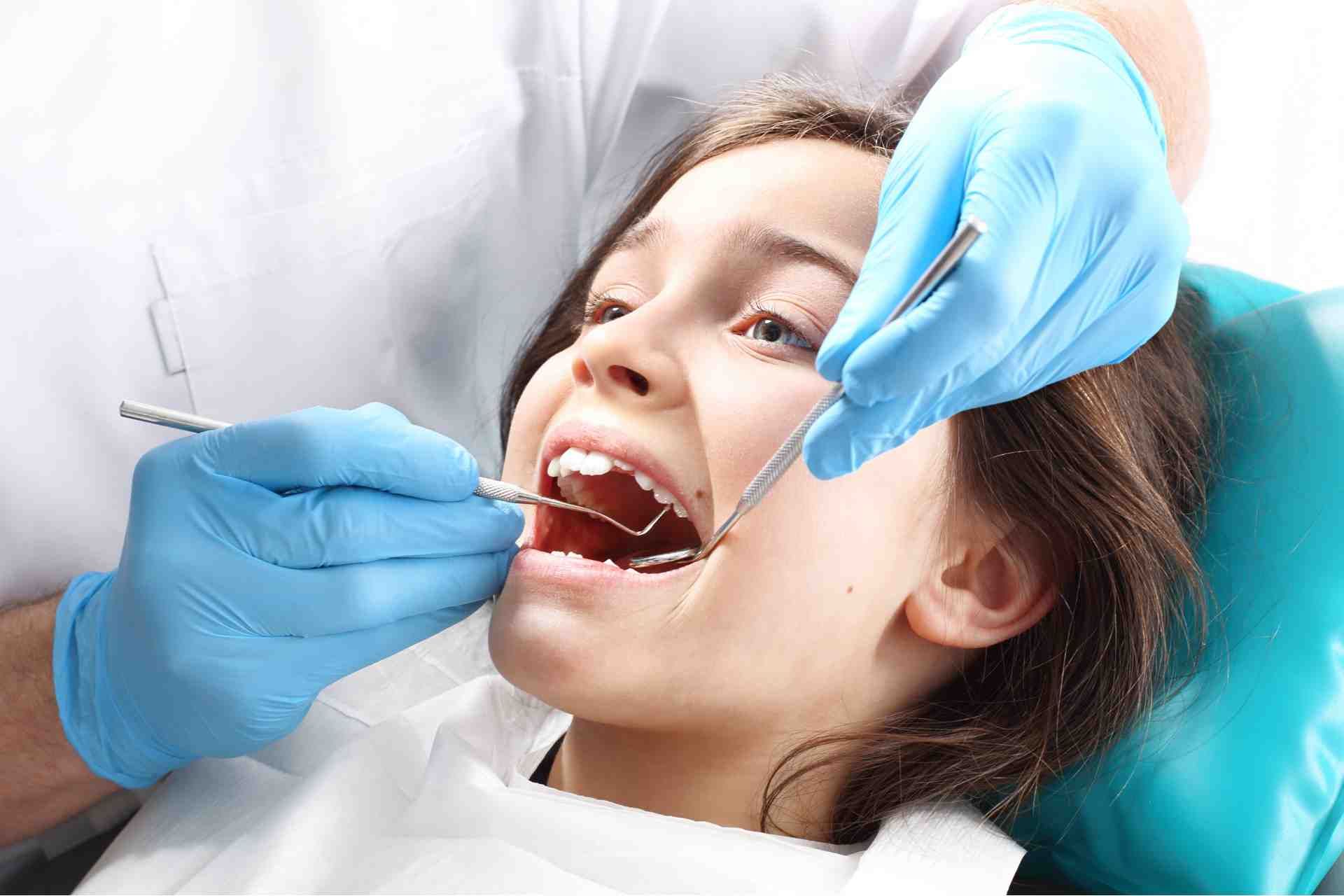
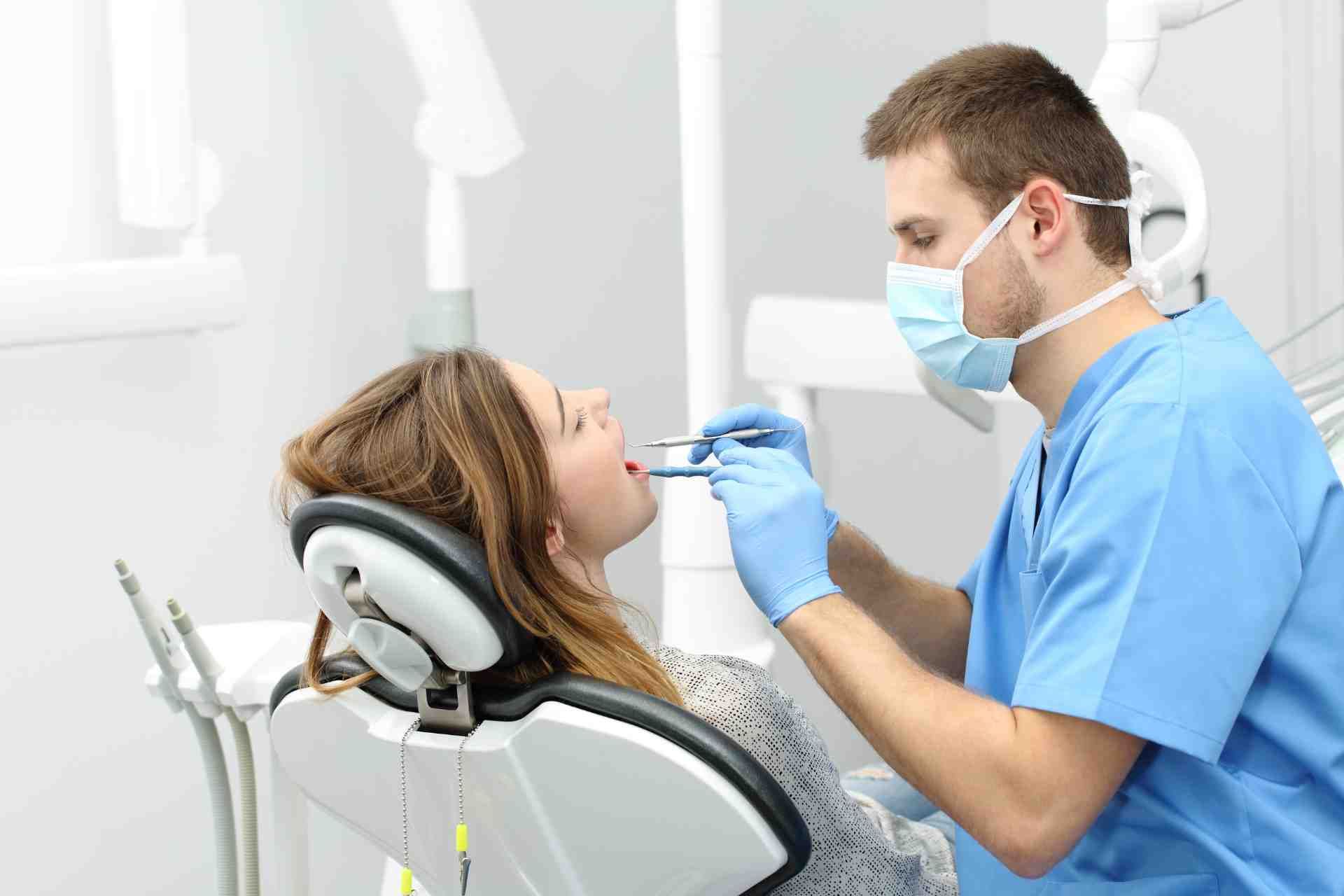
During a regular dental cleaning, also known as prophylaxis, your dental hygienist will perform several important tasks to keep your smile looking and feeling its best. Here's what you can expect during a typical cleaning appointment:
- Examination: Before the actual cleaning begins, your dental hygienist will examine your teeth and gums for any signs of issues such as cavities, gum disease, or oral cancer. This helps them develop a customized cleaning plan to address your specific needs.
- Scaling: Next, your hygienist will use special tools to remove plaque and tartar buildup from your teeth. This process, known as scaling, helps prevent cavities and gum disease by removing harmful bacteria from the surfaces of your teeth.
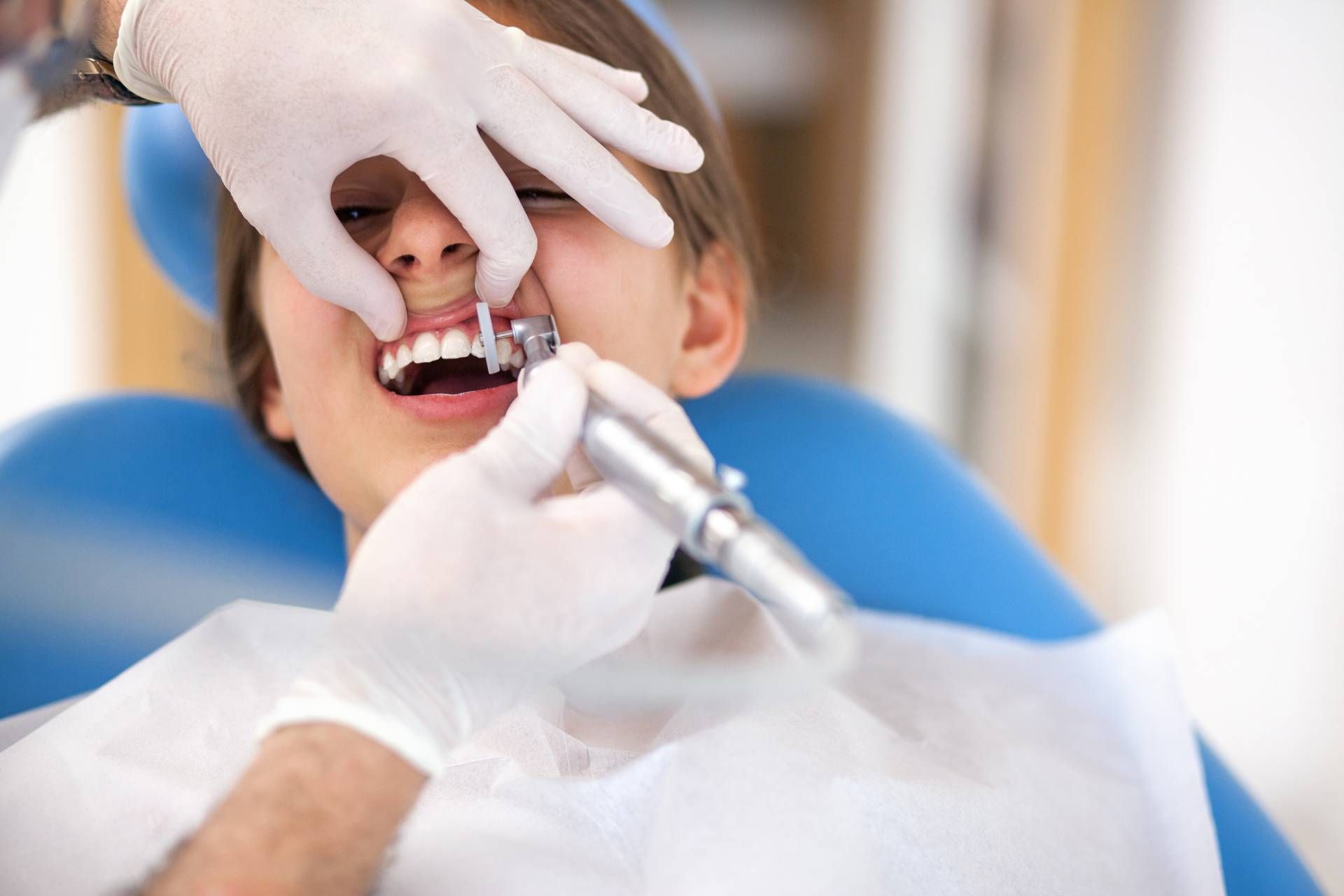
- Polishing: After your teeth have been scaled, your hygienist will use a special abrasive paste to polish your teeth and remove any surface stains. This step helps give your smile a clean, smooth appearance.
- Flossing: Once your teeth have been cleaned and polished, your hygienist will floss between your teeth to remove any remaining plaque or debris. This is an important step in preventing cavities and gum disease between your teeth.
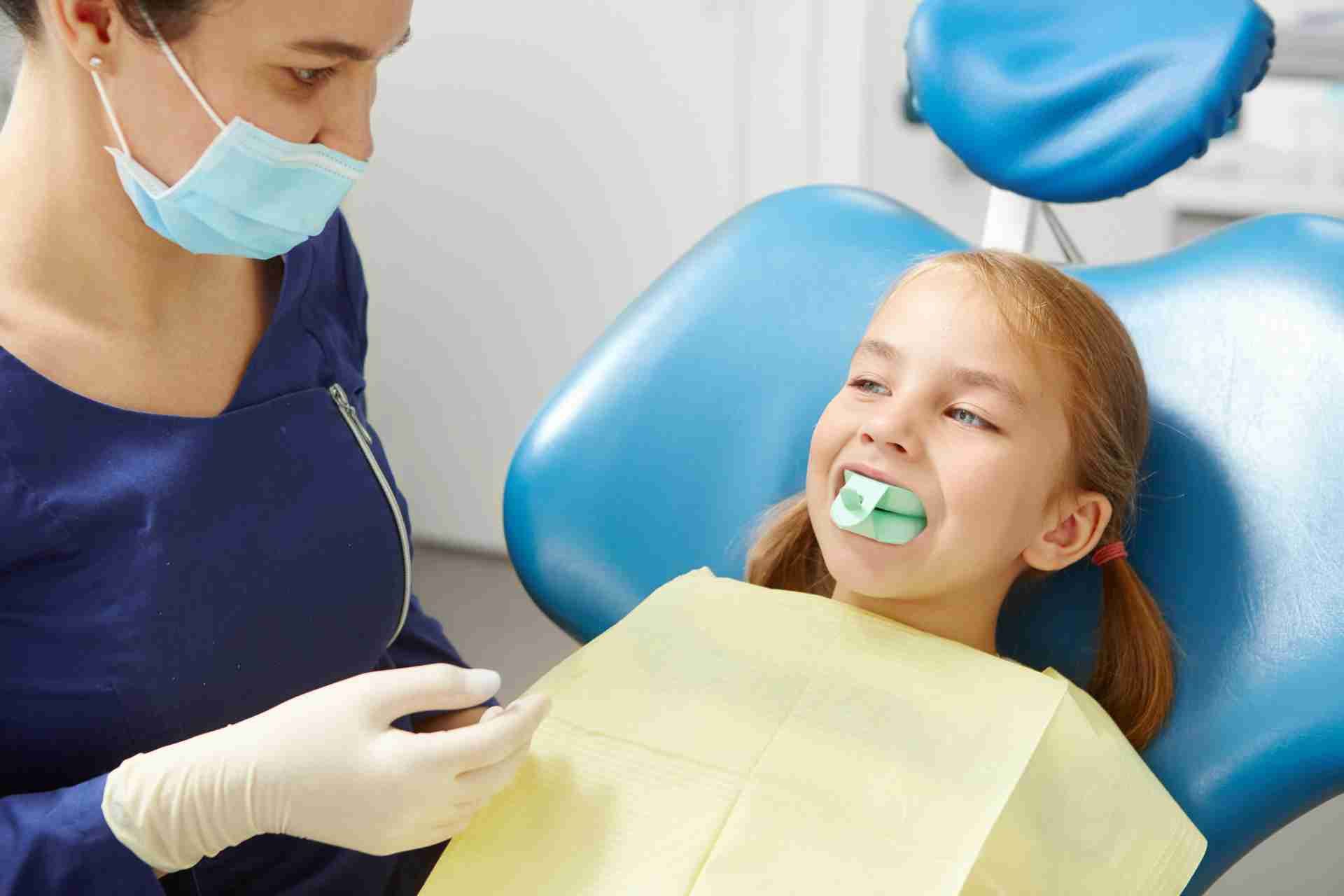
- Fluoride treatment: To help strengthen your teeth and prevent cavities, your hygienist may apply a fluoride treatment to your teeth. This treatment can help protect your teeth from decay between dental cleanings.
Benefits of Regular Dental Cleanings
Prevention of gum disease
Regular dental cleanings help to remove plaque and tartar buildup, which can lead to gum disease if left untreated. Gum disease is a serious condition that can cause tooth loss and even affect your overall health.
Preventing cavities
Dental cleanings remove plaque and tartar buildup from your teeth, which can lead to cavities if left untreated. By keeping your teeth clean, you can prevent decay and the need for fillings.
Improved overall health
Gum disease has been linked to serious health conditions such as heart disease, stroke, and diabetes. By maintaining good oral hygiene and getting regular dental cleanings, you can help reduce your risk of developing these systemic diseases.
Preventing tooth loss
Gum disease is a leading cause of tooth loss in adults. By preventing gum disease through regular cleanings, you can help preserve your teeth and avoid the need for extractions or implants.
Fresher breath
Poor oral hygiene can lead to bad breath, also known as halitosis. Regular dental cleanings help to remove bacteria and food particles that can cause bad breath, leaving your mouth feeling fresh and clean.
Early detection of dental problems
During a dental cleaning, your dentist will also perform a thorough examination of your teeth and gums. This allows for the early detection of potential dental problems such as cavities, decay, or infections, which can be treated before they become more serious and costly to fix.
Brighter, whiter smile
Dental cleanings remove surface stains and discoloration from your teeth, leaving them looking brighter and whiter. This can boost your confidence and improve your overall appearance.
Improved digestion
Chewing food properly is essential for good digestion. When your teeth are clean and in good condition, you can more effectively break down food and absorb nutrients, leading to better digestion and overall health.
Save money in the long run
By maintaining good oral hygiene and getting regular dental cleanings, you can prevent the need for costly dental treatments such as root canals, extractions, and dental implants. Investing in regular dental cleanings can save you money in the long run by helping to prevent more serious dental issues.
Education and Tips
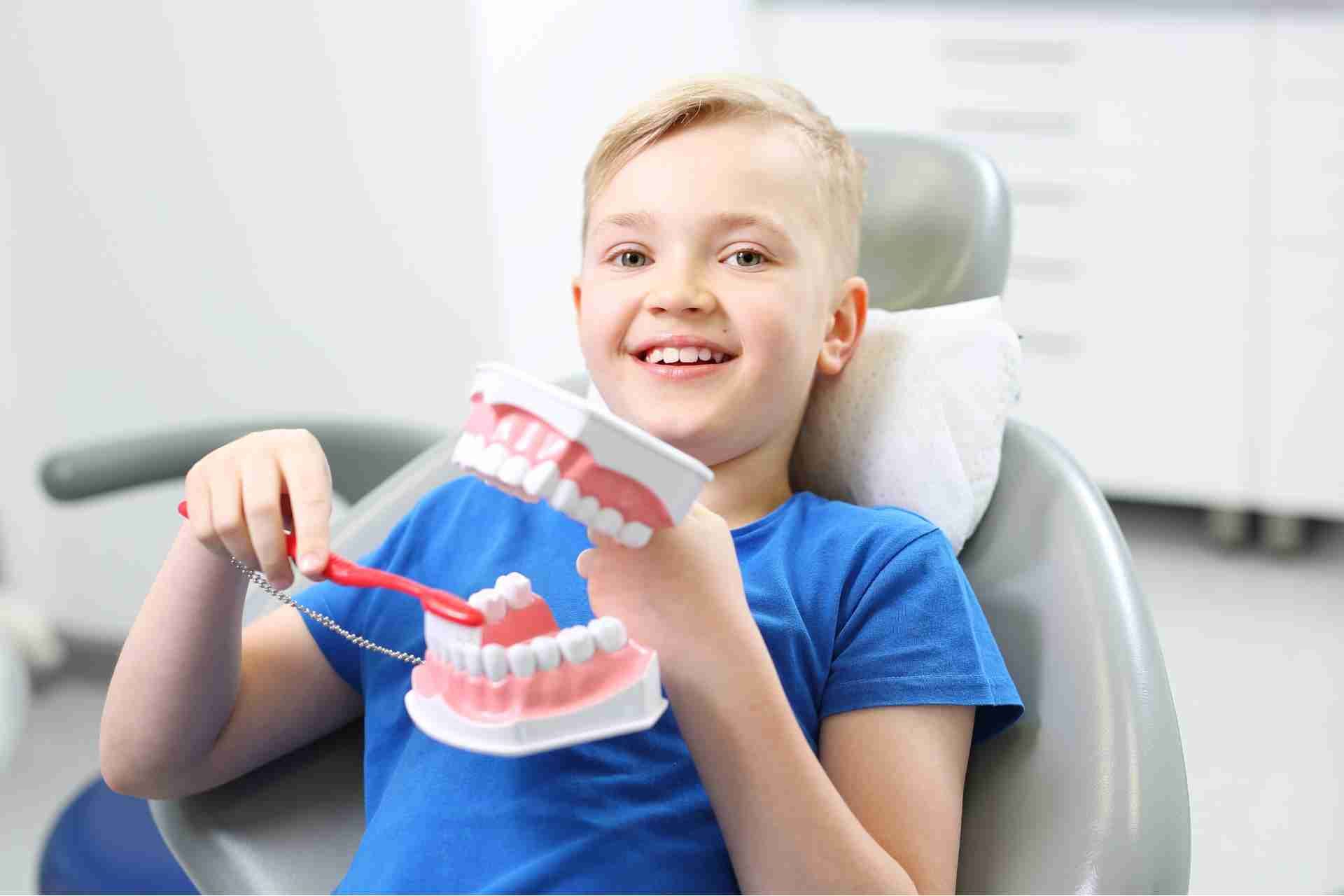
Your dentist or dental hygienist can provide you with valuable tips and information on how to properly care for your teeth and gums at home, leading to better oral hygiene habits.
Procedures during Regular Dental Cleanings
Regular dental cleanings are a crucial part of maintaining good oral health. These cleanings are typically done every six months by a dental hygienist or dentist. During these cleanings, several procedures are performed to ensure your teeth and gums are in optimal condition.
- Oral examination: The dentist will start by examining your teeth, gums, and mouth for any signs of cavities, gum disease, or other potential issues.
- Scaling: The dentist or dental hygienist will use special tools to remove plaque and tartar from your teeth, especially in hard-to-reach areas.
- Polishing: After scaling, the teeth are polished using a gritty paste to remove any remaining plaque and surface stains.
- Flossing: The dental hygienist will floss between your teeth to remove any plaque and debris that may have been missed during scaling.
- Fluoride treatment: Some dental cleanings may include a fluoride treatment to strengthen the enamel and protect against cavities.
- X-rays: Depending on your dental history and needs, the dentist may take x-rays to check for any issues that may not be visible during the oral examination.
- Oral hygiene education: The dental team will provide you with tips and techniques for maintaining good oral hygiene at home, including proper brushing and flossing techniques.
- Follow-up recommendations: The dentist may recommend follow-up appointments or additional treatments, such as fillings or root canals, if necessary.
Start Taking Care of Your Dental Health
Taking care of your dental health is crucial for maintaining a beautiful and healthy smile. At Pennington Orthodontics & Pediatric Dentistry, we provide top-notch orthodontic and pediatric dental services to patients of all ages.
Our experienced team of professionals is dedicated to providing the highest quality care in a comfortable and welcoming environment. Whether you need braces, Invisalign, dental cleanings, or any other dental treatment, we are here to help.
Regular dental check-ups and cleanings are essential for preventing cavities, gum disease, and other oral health issues. Our team will work with you to create a personalized treatment plan that meets your specific needs and goals.
Don't wait any longer to start taking care of your dental health.
Contact Pennington Orthodontics & Pediatric Dentistry at (609) 737-3700 to schedule an appointment and take the first step towards a healthier smile.