When your child needs an emergency pediatric dentist, you want clear steps and calm guidance. You’ll check symptoms, call ahead, and prepare for a focused exam that targets pain and potential trauma. Digital X-rays may be used to spot hidden issues. You’ll get quick relief options and aftercare instructions on diet and healing. But what should you say on the call, and what should you bring to make the visit smoother?
Is This an Emergency Pediatric Dentist Visit?
When your child’s mouth hurts, you need to quickly decide if it’s urgent. Look for red flags: uncontrolled bleeding, a knocked-out permanent tooth, severe toothache with swelling or fever, facial trauma, pus, or trouble breathing or swallowing. Those need immediate care.
For a lost permanent tooth, handle the crown only, gently rinse, and keep it moist in milk or saliva; time matters. Don’t reinsert a baby tooth. A cracked or chipped tooth with sharp edges or pain also warrants prompt attention.
Less urgent issues include mild sensitivity, a small, painless chip, a shallow lip bite, or a loose baby tooth without trauma. Manage pain with age-appropriate acetaminophen or ibuprofen, apply a cold compress, and monitor for worsening symptoms.
Schedule urgent dental care when indicated.
Calling an Emergency Pediatric Dentist: What to Say
After spotting red flags, pick up the phone and clearly state, “This is an emergency for my child.”
Give your child’s age, the main problem, when it started, and any trauma involved.
Describe symptoms plainly: pain level, bleeding, broken or knocked-out tooth, swelling, fever, difficulty breathing, or inability to close the mouth.
Mention allergies, relevant medical conditions, and current medications.
Say when your child last ate or drank.
Share what you’ve already tried—gentle rinsing, pressure on bleeding, cold compress—so they don’t repeat steps.
Provide your location, your call-back number, and how fast you can arrive.
Ask for immediate instructions, expected wait time, and after-hours access.
Confirm the dentist’s address and the best entry.
Repeat key details to ensure accuracy.
Keep calm and speak clearly.
What to Bring to an Emergency Pediatric Dentist Visit
Bring the basics that speed triage and treatment: your child’s ID and insurance card; a current list of medications, allergies, and medical conditions; any dental records or recent X-rays; legal consent if you’re not the parent/guardian; and a payment method.
Pack the injured tooth or fragment in milk or saliva, plus a clean container. Add a small towel or gauze, a cold pack, and any prescribed pain reliever your dentist or pediatrician said is safe. Photograph the accident scene or injury if helpful.
Carry your child’s pediatrician and pharmacy contacts, and emergency numbers. Bring a comfort item—pacifier, blanket, or headphones—to reduce anxiety. If your child uses a dental appliance, grab it.
Don’t forget photo ID for the accompanying adult and your phone charger too.
Check-In at the Emergency Pediatric Dentist
Although every office runs a little differently, check-in at an emergency pediatric dentist is streamlined: tell the front desk it’s an urgent injury, state the time it happened, and describe what’s hurting.
Have your child’s name, date of birth, and your contact information ready. Hand over ID, insurance card, and any referral or school incident note. Share allergies, medications, and relevant medical history.
If you pre-registered, confirm details and sign electronic consents. If you didn’t, the team will quickly enter your child and create a chart.
Explain how the injury occurred and whether a tooth fragment or appliance is with you; give it to staff. They’ll triage, verify benefits, outline any copay, and let you know expected wait time.
Stay reachable for quick questions.
Pain Control at the Emergency Pediatric Dentist
Because pain is the priority, the team will quickly assess your child’s discomfort and act to calm it. They’ll ask you about the injury, allergies, and past reactions, then choose fast, child-safe relief.
For surface pain, they may apply a sweet-flavored topical gel to numb the area. For deeper pain, they can deliver localized anesthesia or a quick nerve block.
If anxiety heightens pain, nitrous oxide helps your child relax while staying awake and responsive. The dentist will explain sensations—pressure, tingling, warmth—so your child knows what to expect.
Cold compresses and careful positioning reduce throbbing. You’ll get weight-based dosing guidance for acetaminophen or ibuprofen and clear timing.
Throughout, staff monitor comfort, adjust medications, and reassure you both until your child settles and rests comfortably.
Exams and X-Rays at the Emergency Pediatric Dentist
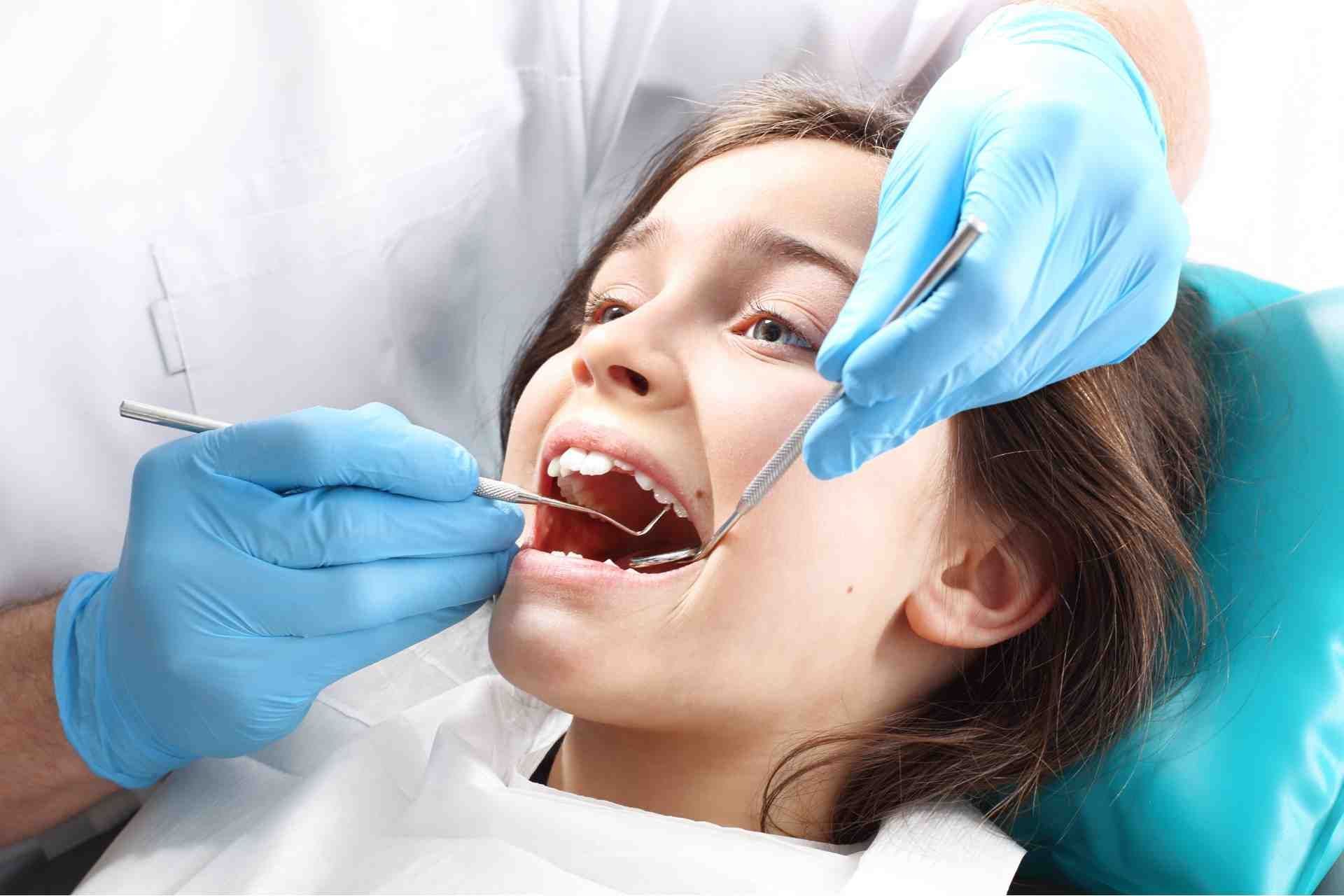
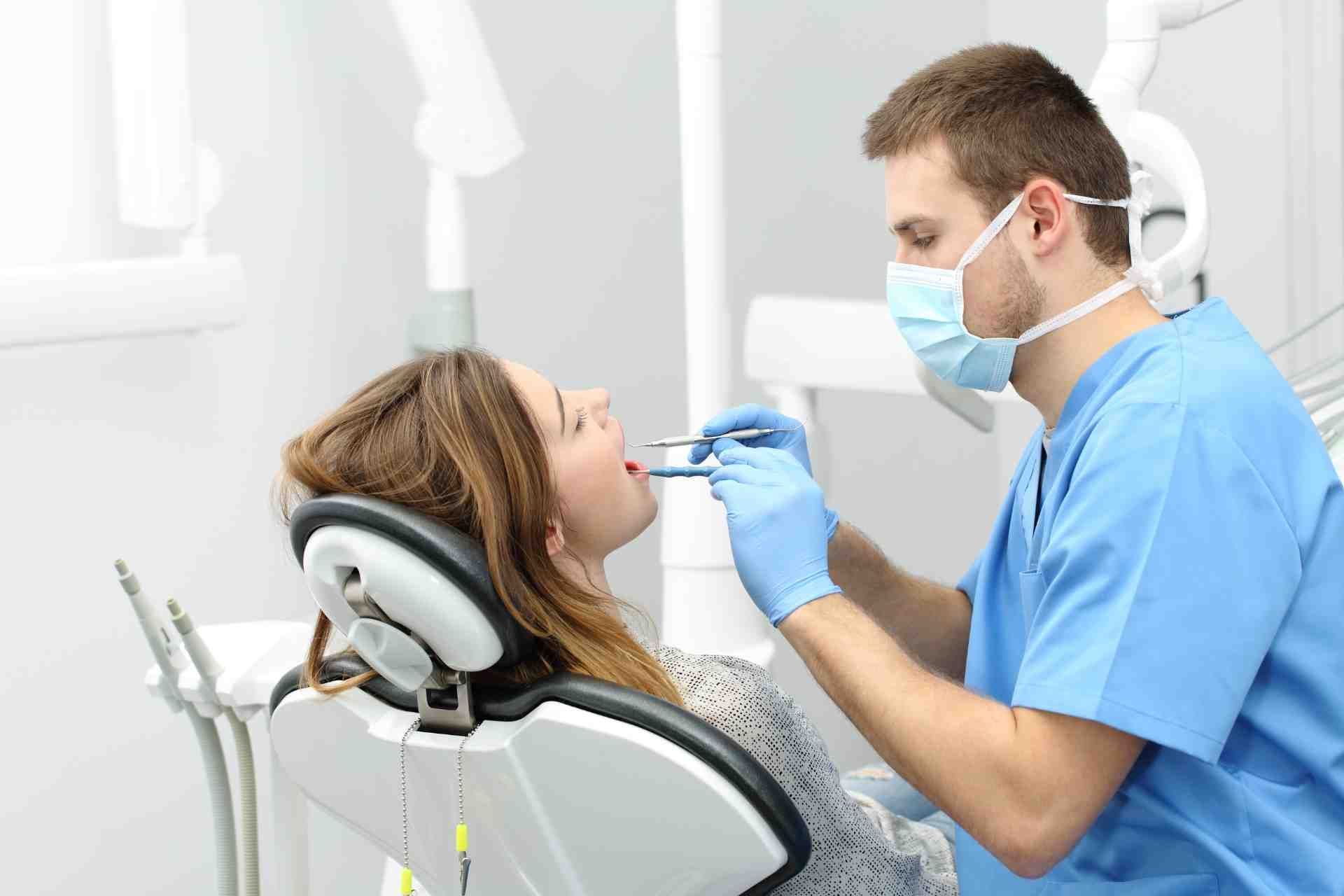
Once your child is comfortable, the dentist performs a focused exam—checking the lips, gums, tongue, and each tooth for chips, looseness, swelling, or bleeding—and tests the bite and nerve response.
You’ll answer brief questions about the injury and medical history while the team documents findings. If they suspect hidden damage, they’ll take digital X-rays to view roots, jawbone, and developing teeth.
Expect a tiny sensor in the mouth, a quick click, and immediate images. The office uses child-sized sensors, lead aprons, thyroid collars, and low-dose settings to minimize radiation.
Depending on the area, they may capture periapical, bitewing, or occlusal views. X-rays help confirm cracks, displaced teeth, infections, sinus involvement, or foreign objects, guiding next steps and a clear care plan for your child.
Treating Knocked-Out Teeth in Kids
While it’s scary, a knocked-out tooth needs fast, specific steps—what you do in the first 30–60 minutes can save a permanent tooth. Act quickly.
Find the tooth, pick it up by the crown, and gently rinse with saline or milk—don’t scrub. If it’s a permanent tooth, try to reinsert it into the socket, facing the right way, and have your child bite on gauze.
If you can’t, keep it moist in cold milk or saline, or in the cheek (not for very young kids). Don’t reinsert a baby tooth.
Call the emergency pediatric dentist right away. They’ll check for other injuries, confirm the tooth type, clean the socket, reimplant if appropriate, and place a flexible splint.
Follow instructions on antibiotics, soft foods, and follow-up.
Fixing Broken or Painful Teeth in Kids
Even if the break looks small, a damaged or painful tooth can worsen fast and needs prompt care. Call right away and describe the pain, location, and any sharp edges. Bring any broken pieces in clean, damp gauze.
At the visit, the dentist examines the tooth, takes X-rays if needed, and relieves pain first. They may smooth rough enamel, place a protective bonding or filling, or fit a stainless steel crown for larger fractures.
If the damage reaches the inner tissue, the dentist may perform pediatric pulp therapy to save the tooth. Expect local anesthesia and optional minimal sedation for anxious kids.
You’ll get instructions on diet, hygiene, and using age-appropriate pain medicine, plus a plan for follow-up to complete definitive repair as needed.
Infections and Swelling: Emergency Pediatric Dentist Care
Beyond fractures and pain, infections and facial swelling demand immediate attention because bacteria can spread quickly from a tooth to nearby tissues.
You should call an emergency pediatric dentist if your child has a rapidly growing cheek or eye swelling, fever, bad taste, trouble swallowing, or reduced mouth opening. If swelling affects breathing, go to the ER.
At the visit, the dentist will assess swelling, check gums for abscess, and take a radiograph. They may drain the abscess, open the tooth to relieve pressure, or extract a non-restorable tooth.
They’ll prescribe antibiotics only when systemic signs exist; medication alone doesn’t cure the source. Warm saltwater rinses and keeping your child upright can help en route.
Avoid heat, aspirin on gums, or squeezing the swelling.
Costs, Insurance, and Aftercare for Emergency Pediatric Visits
Although every case differs, expect an emergency pediatric dental visit to include an urgent exam fee, possible X-rays, and procedure charges, with some clinics adding an after-hours premium.
Ask for a printed estimate before treatment; request coding for medical billing if trauma’s involved. Typical add-ons include local anesthesia, sedation, and restorations. Extractions or pulpotomies increase fees.
Insurance: Bring your child’s dental card. Verify in-network status, deductibles, maximums, and emergency copays. Diagnostics are often covered; after-hours fees and sedation aren’t. If uninsured, ask about payment plans, discounts, or CareCredit.
Aftercare: Expect guidance on pain control, foods, saltwater rinses, and activity limits. Use compresses, give meds as directed, and watch for pain, fever, or bleeding.
Schedule follow-up before leaving, and save receipts and EOBs for reimbursement.
Conclusion
When a dental emergency strikes, you’ll know what to do and what to expect. Call ahead, describe symptoms clearly, and bring ID, insurance, meds, and the tooth or fragments if available. At check-in, you’ll prioritize pain control, imaging, and prompt treatment—whether reimplantation, repair, or infection care. You’ll leave with tailored aftercare, prescriptions, diet tips, and follow-up. Keep receipts, ask about costs and coverage, and monitor healing. With quick action and guidance, your child’s smile recovers.