Understanding Pediatric Orthodontics: Signs Your Child May Need Braces

As a parent, spotting the signs that your child might need braces can be challenging. You may notice issues like difficulty biting or overcrowded teeth, which could indicate the need for orthodontic intervention. Understanding these signs is crucial for your child's dental health. So, what should you look for, and when is the right time to consult an orthodontist? The answers might surprise you.
Common Signs Your Child Might Need Braces
Wondering if your child might need braces? Keep an eye out for a few common signs.
If you notice your child has difficulty chewing or biting, it could indicate misalignment. Pay attention to their teeth—if they’re crowded, overlapping, or if there are noticeable gaps, braces may be necessary.
You might also see your child frequently biting their cheeks or feeling discomfort in their jaw. Another sign is if they've a noticeable overbite or underbite, which can affect their overall facial appearance.
If they’re self-conscious about their smile or you notice them avoiding social interactions due to their teeth, it’s worth consulting an orthodontist.
Early detection can lead to more effective treatment, so don’t hesitate to reach out for guidance.
Why Early Orthodontic Checkups for Braces Matter
If you've noticed signs that your child might need braces, scheduling an early orthodontic checkup can make a significant difference.
Early evaluations allow orthodontists to identify potential issues before they become more complex. By starting treatment early, you can guide your child’s dental development, ensuring their teeth and jaws align properly as they grow.
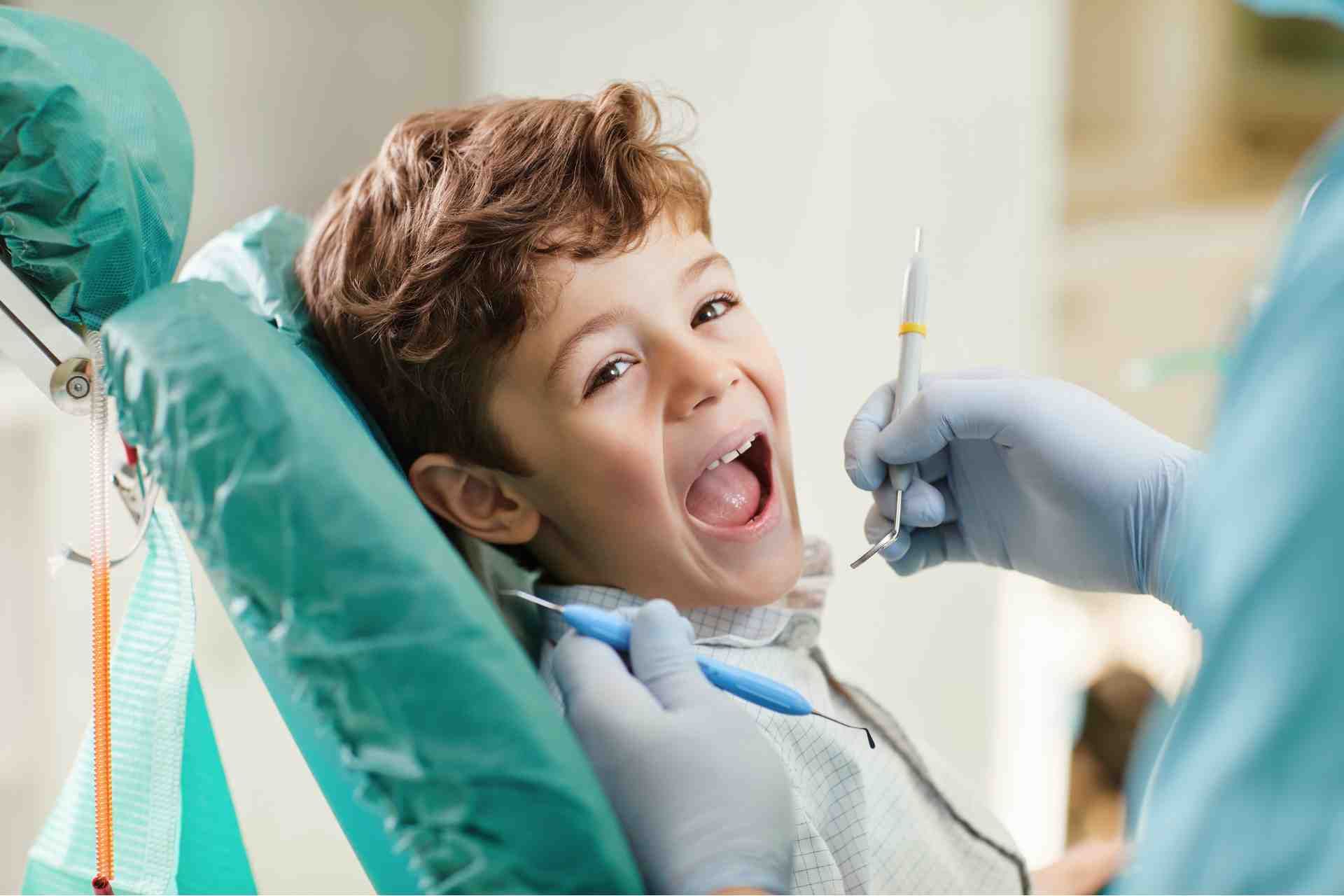
This proactive approach can reduce the need for extensive treatments later on, saving time and money. Additionally, early checkups build a relationship between your child and the orthodontist, making future visits less intimidating.
You'll also receive personalized advice on care and habits that can help maintain your child's oral health.
Don’t wait—getting an early assessment sets the foundation for a confident smile!
Effects of Misalignment on Oral Health
While many people think of misalignment as merely an aesthetic issue, it can significantly impact your child's oral health. Misaligned teeth can lead to difficulty in chewing, which affects nutrition and digestion.
They may also cause uneven wear on teeth, increasing the risk of cavities and gum disease. Additionally, misalignment can contribute to jaw pain and headaches, making it uncomfortable for your child to eat or speak.
Over time, this can lead to more serious dental problems, requiring costly treatments. It's crucial to address these issues early, as proper alignment promotes better oral hygiene and overall health.
Behaviors Indicating Your Child May Need Braces
Recognizing when your child may need braces can make a significant difference in their dental health. Pay attention to behaviors that might indicate misalignment or other issues.
If you notice your child frequently biting their cheeks or lips, it could signal an overcrowded mouth. Watch for difficulty chewing or speaking clearly, as these can also hint at orthodontic problems.
If they’re grinding their teeth at night, this might indicate misaligned teeth or jaw issues. Additionally, see if they avoid smiling or showing their teeth due to self-consciousness; this could point to alignment concerns.
Keeping an eye on these behaviors will help you identify when it’s time to consult an orthodontist for a professional evaluation.
What to Expect During an Orthodontic Consultation
What can you expect during an orthodontic consultation for your child?
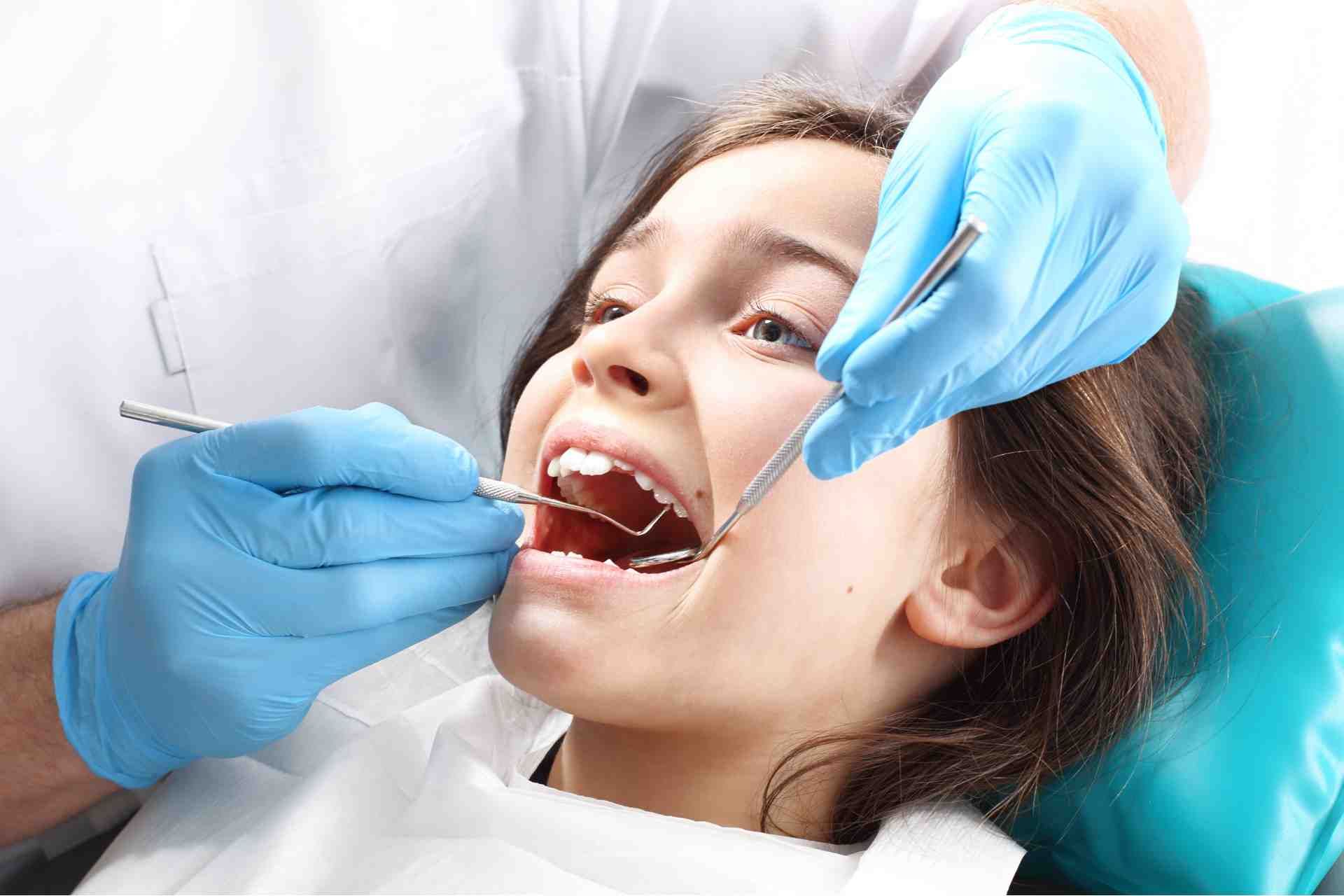
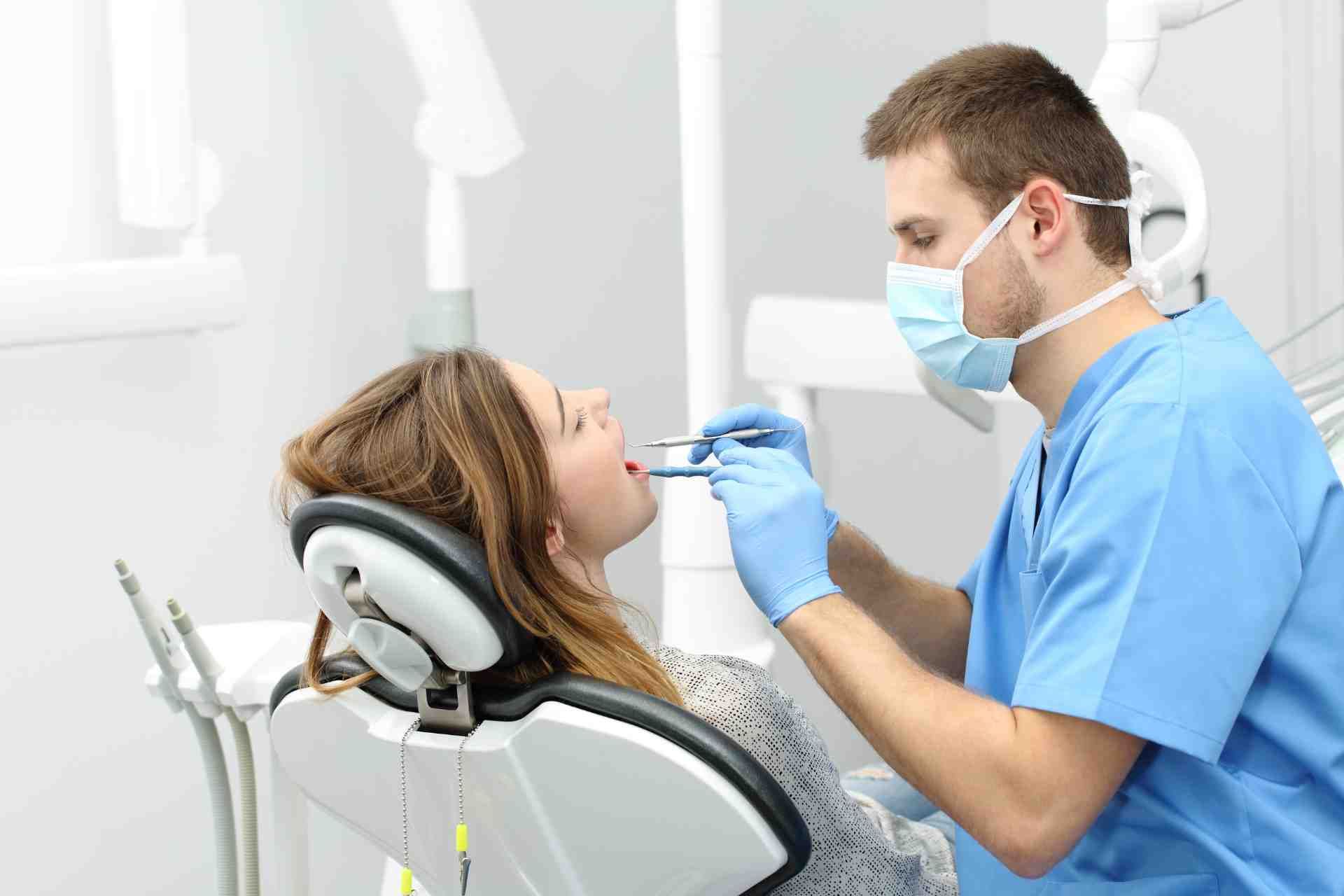
First, the orthodontist will review your child’s dental and medical history. They’ll conduct a thorough examination of your child’s teeth, jaws, and facial structure. This might include taking X-rays and photographs to assess alignment and spacing.
You’ll discuss any concerns you have, and the orthodontist will explain any potential issues they observe.
They’ll also outline possible treatment options tailored to your child’s needs.
Don’t hesitate to ask questions about the process, duration, and costs involved.
Types of Braces for Kids
When it comes to choosing braces for your child, understanding the different types available can make the decision easier.
Traditional metal braces are the most common option, using stainless steel brackets and wires to effectively straighten teeth.
If aesthetics are a concern, ceramic braces blend in with your child's teeth, offering a more discreet look.
Lingual braces are another option, placed on the back of the teeth for virtually invisible treatment.
For kids who prefer convenience, clear aligners like Invisalign can be a great choice, allowing for easy removal during meals and brushing.
Each type has its pros and cons, so it's essential to discuss these options with your orthodontist to find the best fit for your child's needs.
How to Support Your Child Through Their Orthodontic Journey
Supporting your child through their orthodontic journey can make a significant difference in their overall experience. Start by encouraging open conversations about their feelings and concerns. Help them understand the importance of wearing their braces and keeping up with appointments.
Celebrate milestones, like getting their braces on or off, to keep their spirits high. You can also assist with their dietary changes; soft foods can be more comfortable during adjustments.
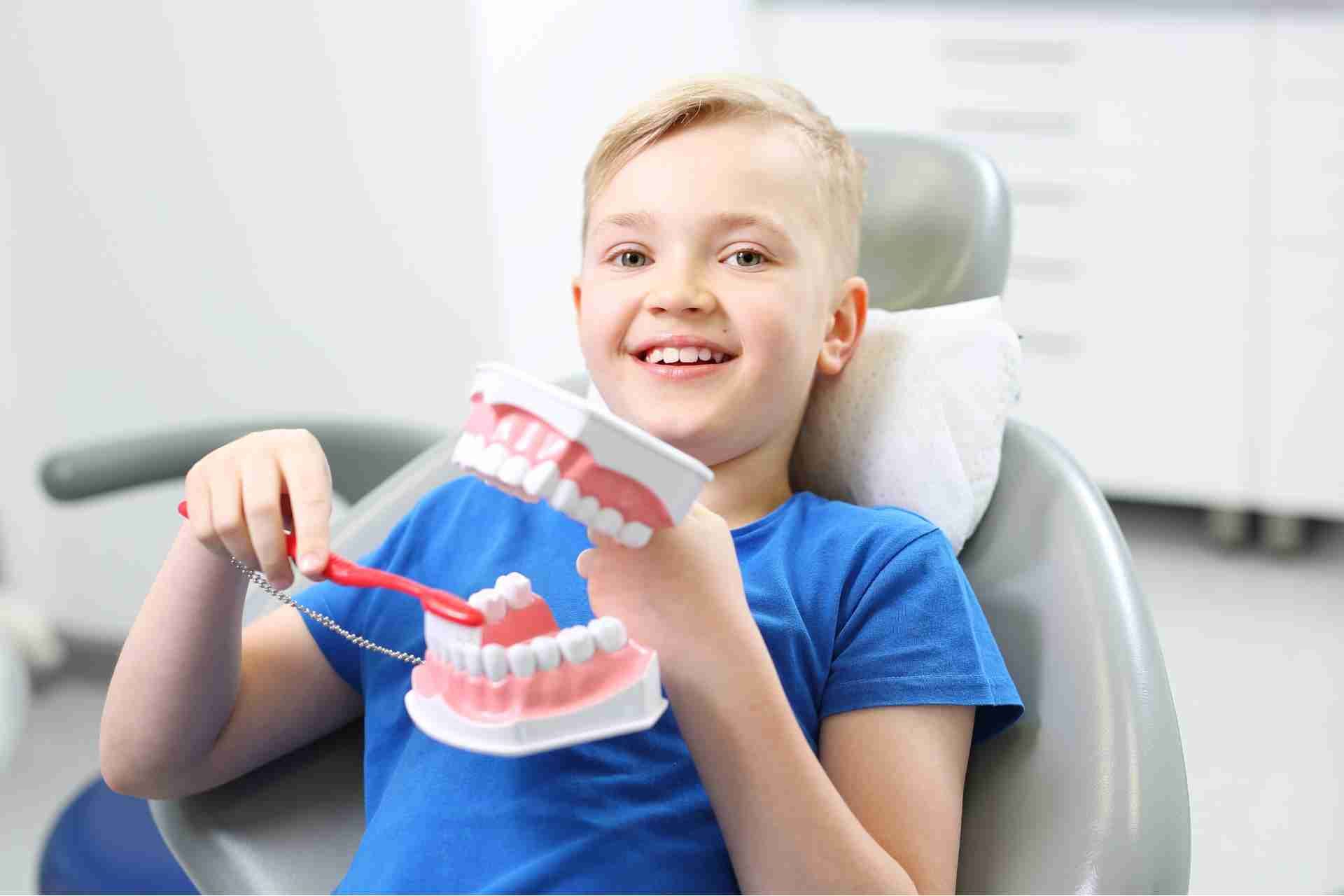
Make oral hygiene fun by creating a routine together, using colorful toothbrushes, and flavored toothpaste. Lastly, remind them that the discomfort is temporary and worth the lasting benefits.
Your positive reinforcement will help them feel more confident and resilient throughout the process.
Conclusion
In conclusion, recognizing the signs that your child might need braces is crucial for their dental health and confidence. Early orthodontic checkups can help catch issues before they become more serious. By understanding the impacts of misalignment and supporting your child throughout their orthodontic journey, you can ensure they have a positive experience. With the right interventions, you’re setting them up for a healthier smile and a brighter future. Don’t hesitate to reach out to an orthodontist if you have concerns!