The Complete Guide to Cavity Prevention in Children
When it comes to your child's dental health, establishing strong oral hygiene practices is crucial. You might wonder what specific steps you can take to prevent cavities effectively. From daily brushing and flossing to understanding the impact of diet, there are several key strategies to explore. Plus, knowing how to make dental care engaging for your child can make all the difference. Let’s uncover the essentials that will keep their smiles bright and healthy.
Essential Oral Hygiene Practices for Cavity Prevention in Kids
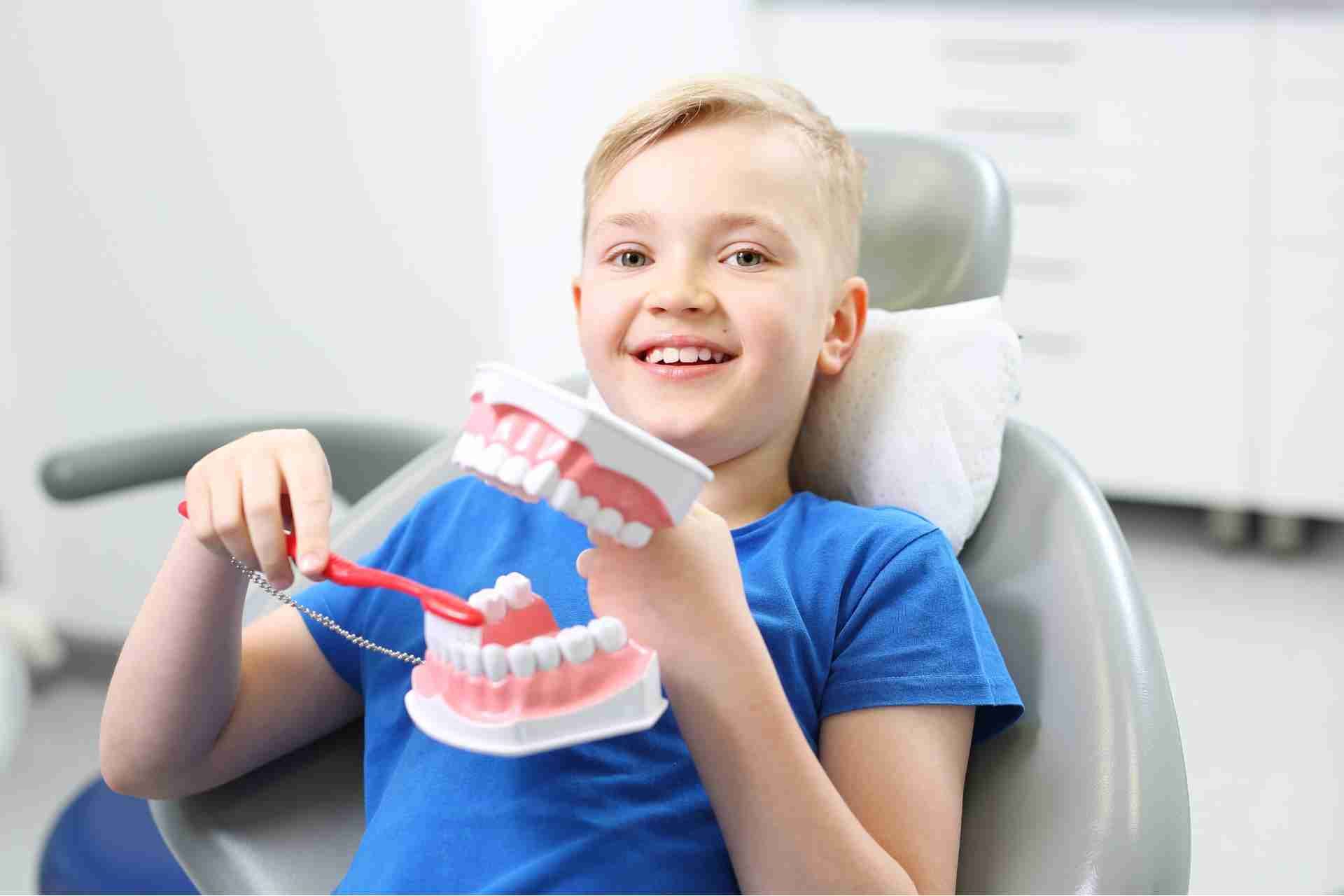
To keep your child's smile bright and healthy, it's crucial to establish essential oral hygiene practices early on. Start by brushing their teeth twice a day with fluoride toothpaste. Make it a fun routine by letting them choose their toothbrush and toothpaste flavor.
Supervise their brushing until they're about seven or eight, ensuring they’re using the proper technique. Don’t forget to floss daily; this helps remove plaque between teeth where the brush can’t reach.
Regular dental check-ups are vital, too—aim for every six months. Teach your child the importance of oral hygiene by leading by example.
Your involvement will instill good habits that last a lifetime, helping to prevent cavities and keep their smile shining bright!
The Role of Diet in Cavity Prevention
While brushing and flossing are essential for maintaining your child's oral health, diet plays a pivotal role in cavity prevention. You should focus on providing a balanced diet rich in vitamins and minerals.
Foods high in calcium, like dairy products, help strengthen teeth, while crunchy fruits and vegetables, such as apples and carrots, can naturally clean teeth and stimulate gums.
Limiting sugary snacks and beverages is crucial, as sugar feeds harmful bacteria that cause cavities. Encourage your child to drink plenty of water, especially fluoridated water, to help wash away food particles and strengthen enamel.
Incorporating healthy snacks and meals can make a significant difference in your child's dental health, setting them up for a cavity-free future.
What Causes Cavities in Kids?
Cavities in kids occur when harmful bacteria in the mouth produce acid that erodes tooth enamel. These bacteria thrive on sugars and carbohydrates found in the foods your child eats, especially sticky snacks and sugary drinks.
When your child doesn’t brush their teeth properly, plaque builds up, leading to more acid production. Over time, this acid can create small holes in the enamel, resulting in cavities.
Additionally, a lack of fluoride, which helps strengthen enamel, can increase the risk of decay. Kids who frequently snack or sip on sugary drinks throughout the day are particularly vulnerable, as this constant exposure to sugar fuels cavity formation.
Encouraging good oral hygiene habits can significantly reduce this risk.
Why Regular Dental Checkups Are Essential for Kids’ Oral Health
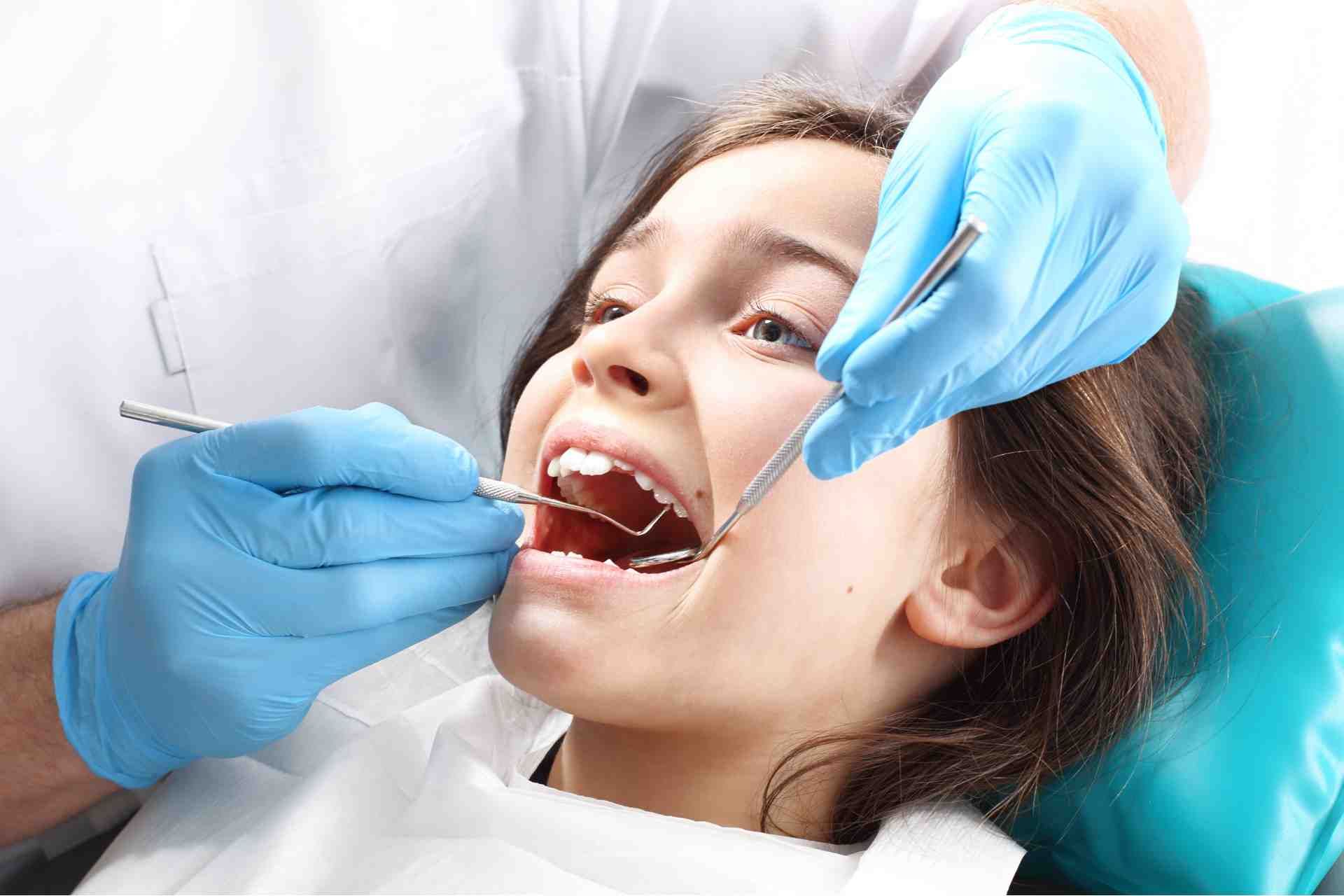
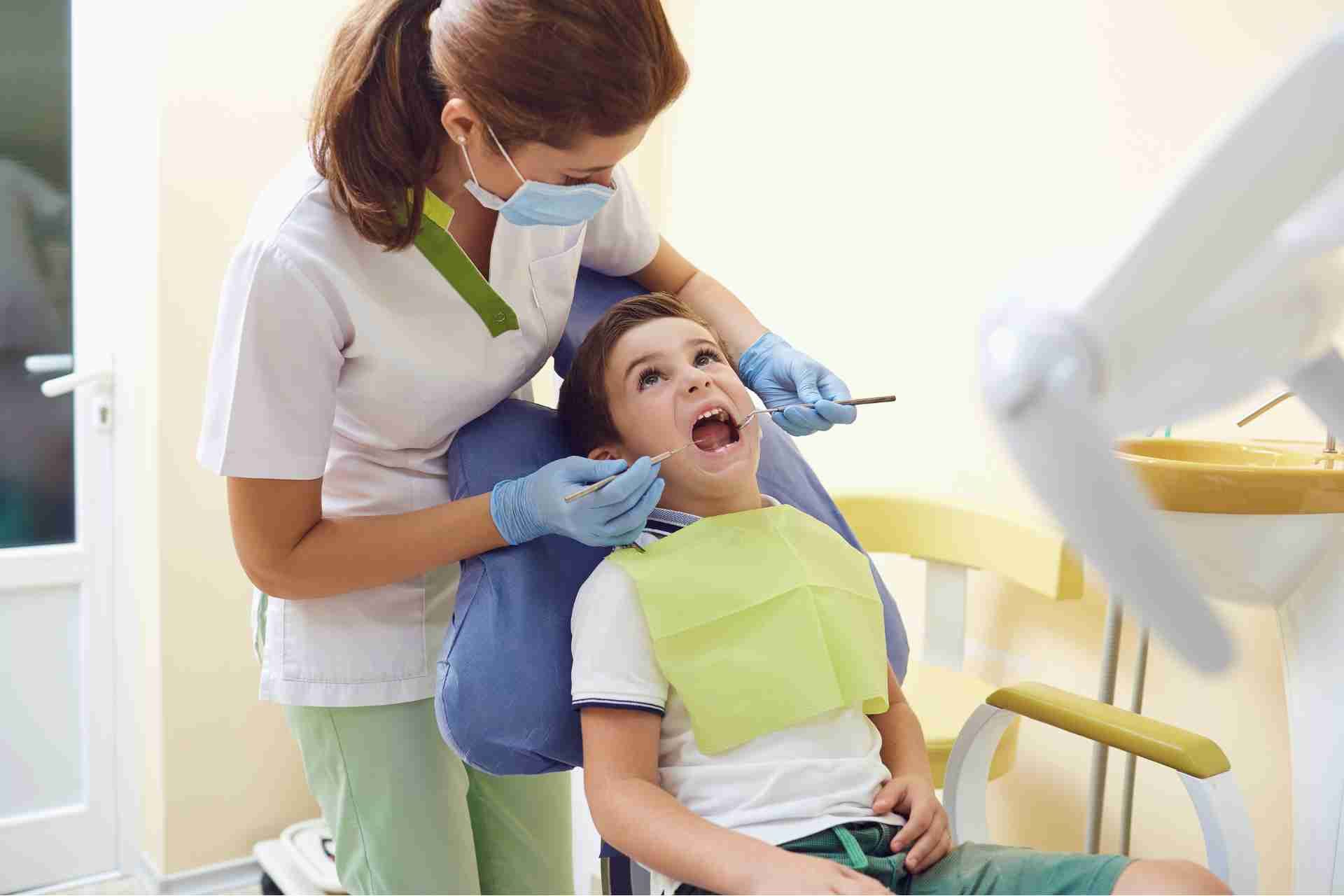
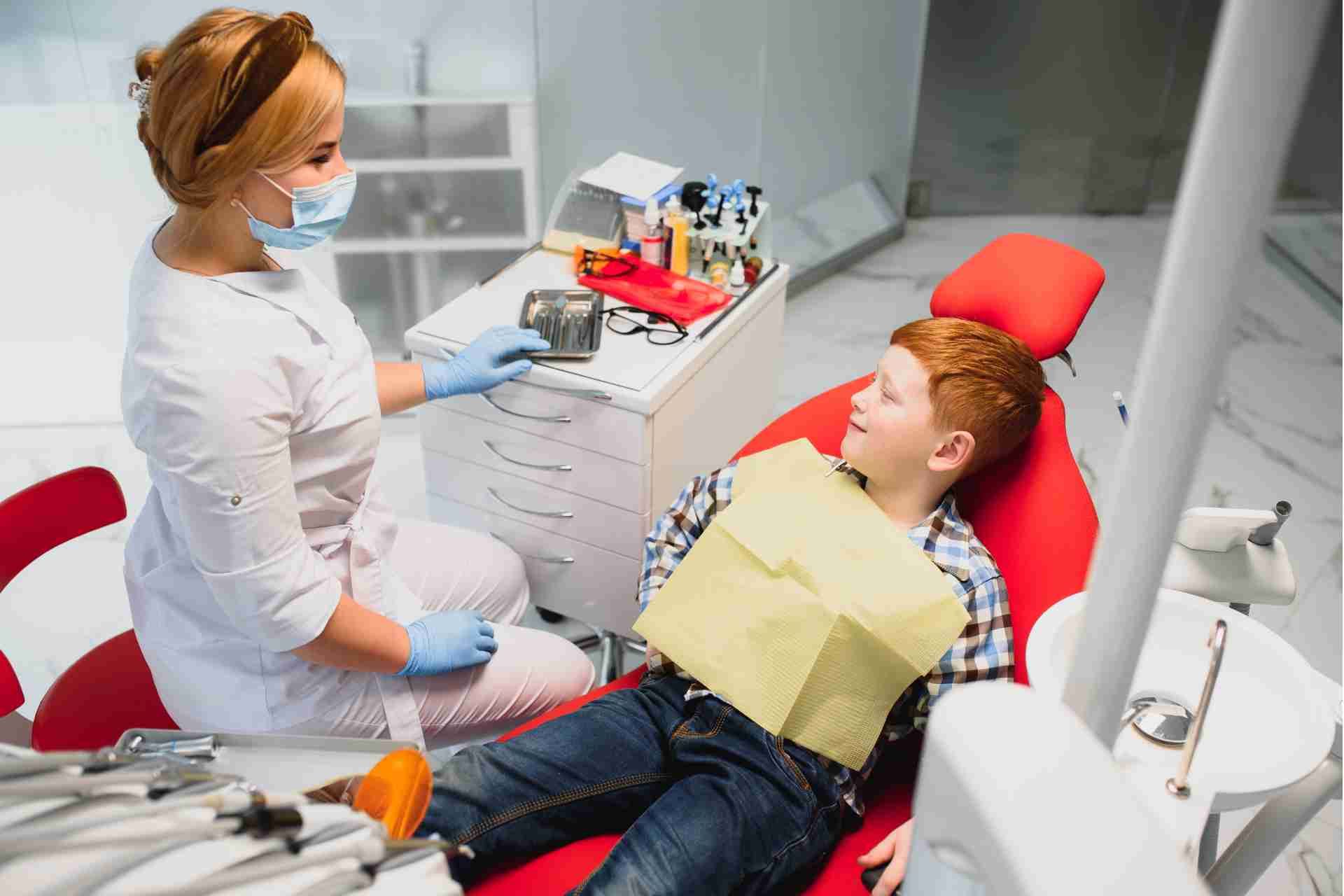
Regular dental checkups are crucial for maintaining your child's oral health, as they help catch potential problems early on. These visits allow the dentist to monitor your child's teeth and gums, ensuring any issues are addressed before they escalate.
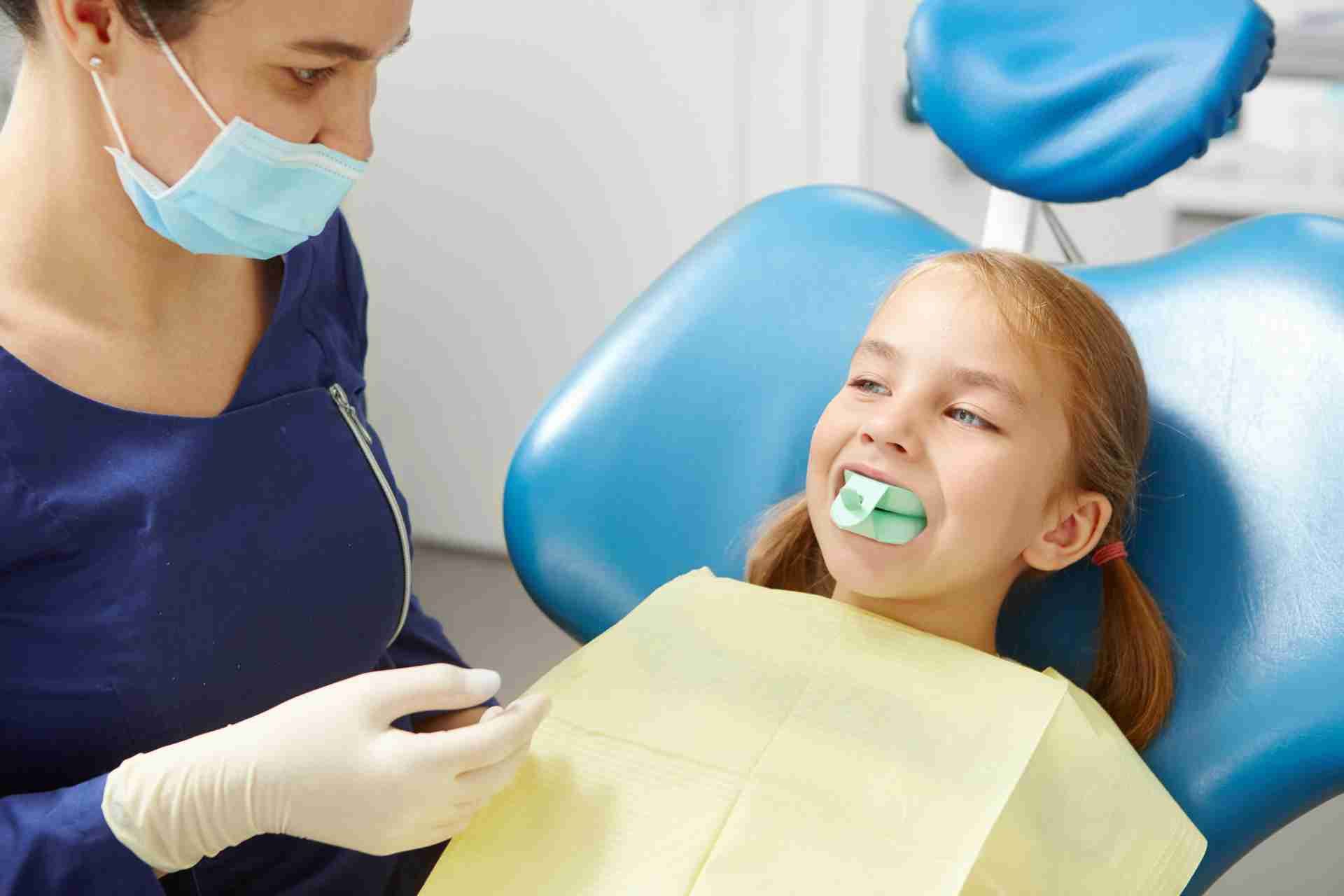
Regular checkups also provide an opportunity for professional cleanings, removing plaque and tartar buildup that brushing may miss. Additionally, your child can learn about proper oral hygiene techniques directly from the dentist, fostering good habits that last a lifetime.
Fun Ways to Encourage Good Dental Habits
To make dental care enjoyable for your child, try incorporating fun activities into their daily routine.
Turn brushing into a game by timing them with a catchy song or using a toothbrush that lights up. Let your child choose their toothpaste flavor, making it feel special and personalized.
You can also create a reward chart where they earn stickers for consistent brushing and flossing—once they collect a certain number, reward them with a small prize.
Reading books or watching videos about dental health can also spark their interest.
Lastly, consider organizing a family brushing session, making it a fun bonding time.
These simple strategies can help instill good dental habits while keeping your child engaged and excited about their oral care!
Recognizing Early Signs of Cavities in Children
How can you tell if your child might be developing a cavity? Look out for some early signs that could indicate trouble.
If your child complains of tooth sensitivity or pain, especially when eating sweet or cold foods, it’s worth investigating. You might also notice dark spots or white patches on their teeth, which can be early indicators of decay.
Bad breath, even after brushing, can signal dental issues as well. Keep an eye on their oral hygiene habits; if they suddenly become less enthusiastic about brushing or flossing, it could be linked to discomfort.
Regular dental check-ups are essential, too, as a professional can catch cavities before they worsen. Staying vigilant helps ensure your child's smile stays healthy!
Conclusion
By prioritizing strong oral hygiene practices, a balanced diet, and regular dental check-ups, you can significantly reduce your child's risk of cavities. Remember to make dental care fun and engaging, so they develop lifelong habits. Stay alert for early signs of cavities, and address any concerns with your dentist promptly. With your support and guidance, your child can enjoy a healthy smile that lasts a lifetime. Let's make cavity prevention a part of their everyday routine!