Does a Pacifier Cause a Gap in Teeth?
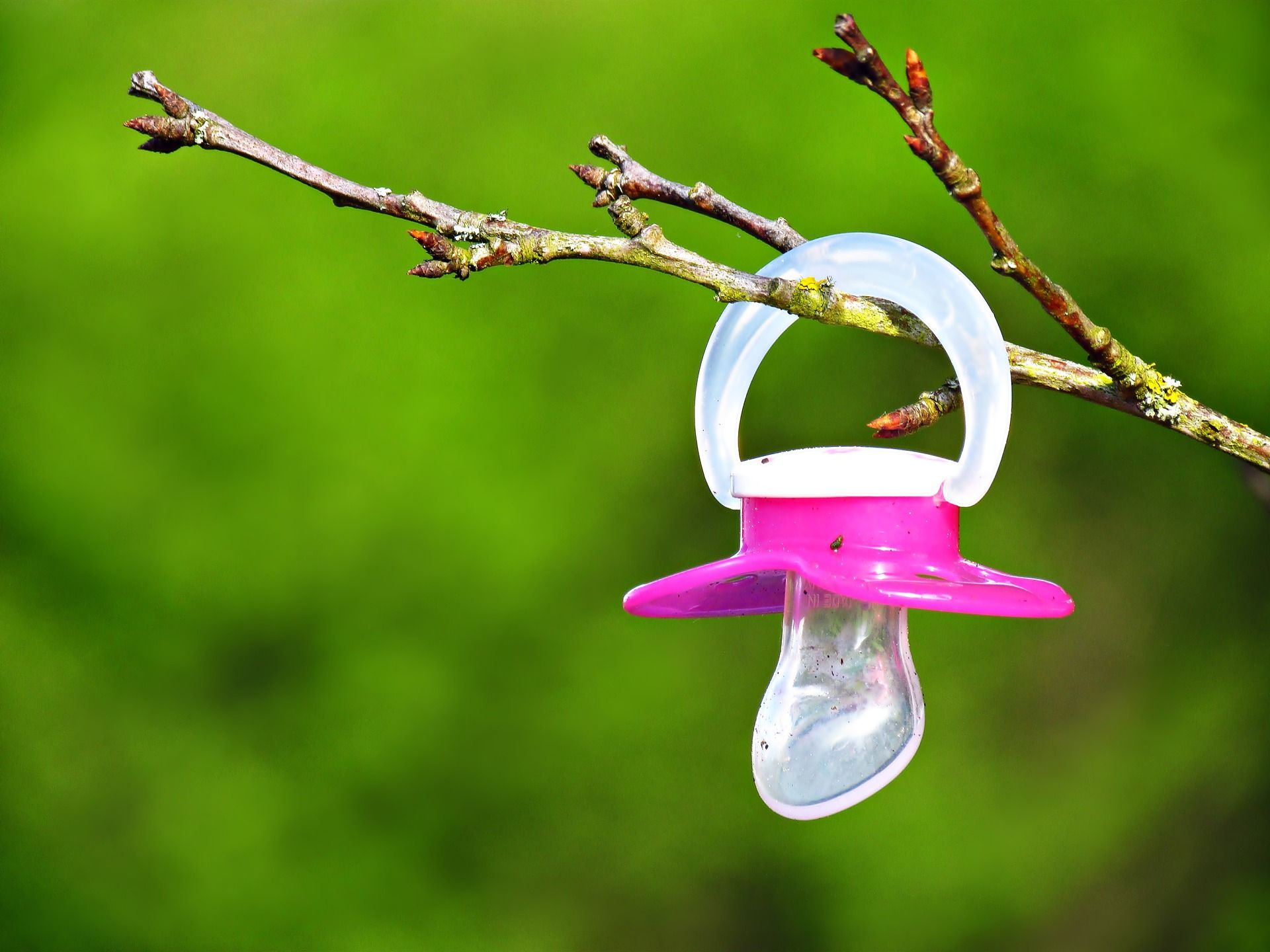
Pacifiers are a common tool used by parents to soothe their babies and help them self-soothe. However, many parents may have heard the concern that prolonged pacifier use can lead to a gap in their child's teeth
Does a pacifier cause a gap in teeth? If you've ever wondered about the impact of pacifiers on teeth, consider this scenario: A child who used a pacifier frequently developed a gap between their front teeth. While you may question if the pacifier was the sole cause, various factors contribute to dental gaps.
Understanding how pacifiers influence dental alignment and what steps can be taken to mitigate any potential issues is crucial. Keep rading to explore the nuanced relationship between pacifiers and teeth, and gain insights into maintaining optimal oral health for your little ones.
Potential Impact of Pacifier on Teeth
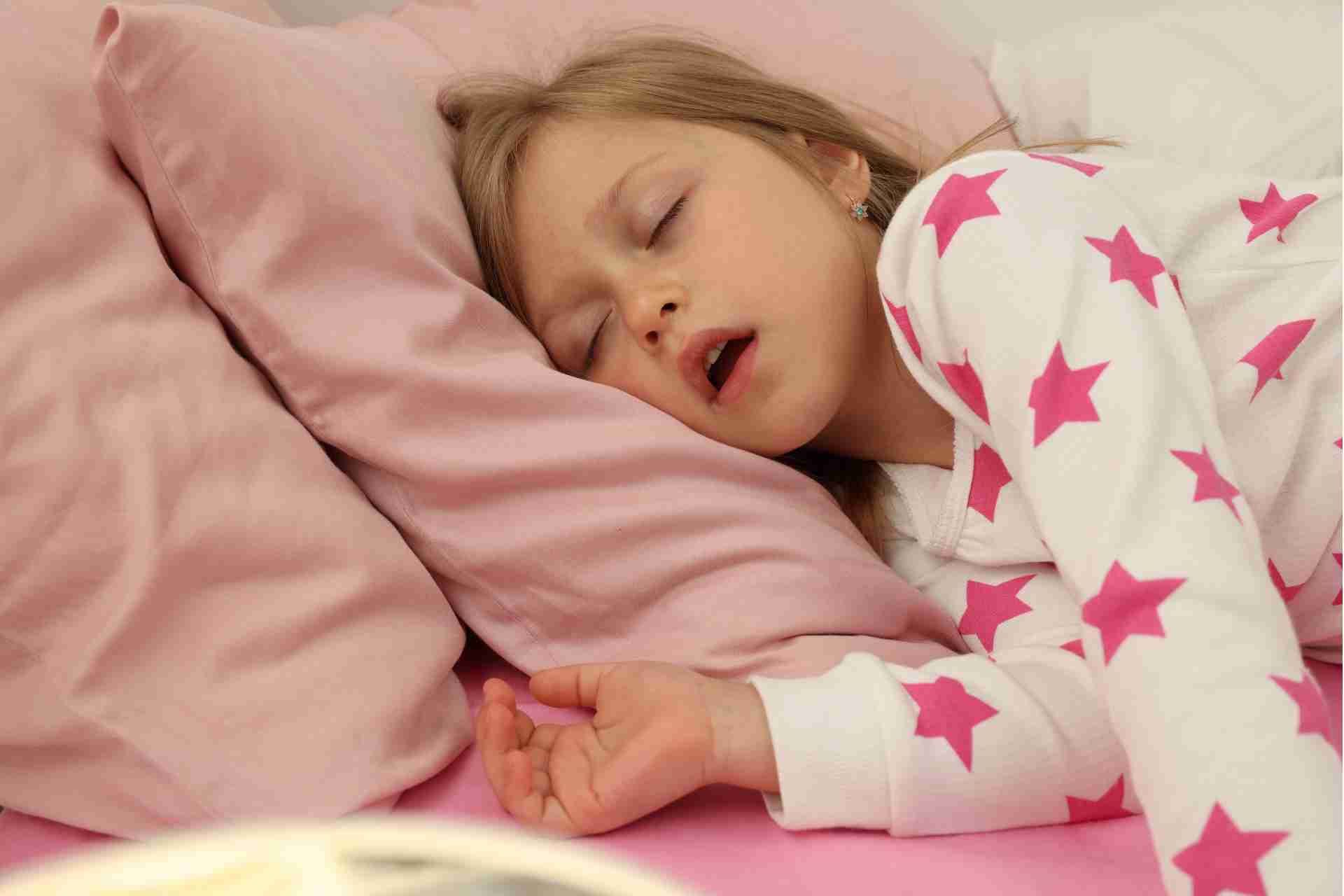
Using a pacifier excessively can indeed lead to a gap in your child's teeth. The constant sucking motion from prolonged pacifier use can put pressure on the front teeth, causing them to shift forward and create a space between them. This gap, also known as a diastema, can be a result of the pacifier habit, especially if it continues as the child's teeth start to come in.
It is essential to monitor your child's pacifier use to prevent any potential dental issues. Limiting pacifier time, especially as the child's teeth begin to develop, can help reduce the risk of a gap forming between the front teeth. Encouraging other soothing techniques and gradually weaning off the pacifier can also aid in preventing dental problems down the line.
Factors Influencing Dental Gap Formation
Excessive pacifier use during early childhood can contribute to the formation of a dental gap between the front teeth. Apart from prolonged pacifier use, several other factors can influence the development of a gap in teeth. Genetics play a significant role, as individuals with a family history of dental gaps are more likely to experience similar issues. The size and shape of a child's jaw can also impact tooth alignment; smaller jaws may struggle to accommodate all teeth properly, potentially leading to gaps. Additionally, thumb sucking or extended bottle feeding beyond infancy can exert pressure on the front teeth, contributing to gap formation.
Oral habits like tongue thrusting, where the tongue pushes against the front teeth when swallowing, can create gaps over time. Poor oral posture, such as resting the tongue against the front teeth or breathing through the mouth, may also influence dental alignment. Regular dental check-ups and early intervention can help address these factors to prevent or correct dental gaps.
Tips for Pacifier Use and Oral Health
To ensure your child's oral health remains optimal, consider implementing practical tips for pacifier use.
Choose a pacifier that's the right size for your child's age to avoid unnecessary strain on their developing jaw and teeth. It's essential to regularly inspect the pacifier for any signs of wear and tear, as damaged pacifiers can pose a choking hazard or lead to oral health issues.
Limit pacifier use to specific times, such as naptime or bedtime, to prevent prolonged dependency that could affect dental development. Encourage your child to stop using the pacifier by age 2 to reduce the risk of dental problems in the future.
Ensure proper hygiene by cleaning the pacifier regularly with soap and water or a pacifier wipe to prevent the buildup of harmful bacteria.
Addressing Common Pacifier Myths
Many parents believe that pacifiers cause dental issues, but addressing common pacifier myths can help clarify the facts. One common myth is that pacifiers will always lead to dental problems. In reality, if used appropriately and discontinued at the right time, pacifiers are unlikely to cause long-term issues.
Another misconception is that pacifiers will ruin your child's teeth. While prolonged use can affect dental development, most dental problems associated with pacifiers can be corrected once the habit is stopped.
Some parents worry that pacifiers cause gaps in teeth. While prolonged pacifier use can contribute to dental changes, such as an open bite or overjet, these issues can often be resolved with orthodontic treatment.
There's a belief that pacifiers are easier to wean off than thumb sucking. While each child is different, with patience and consistency, breaking the pacifier habit can be achieved successfully.
Consulting a Dentist for Guidance
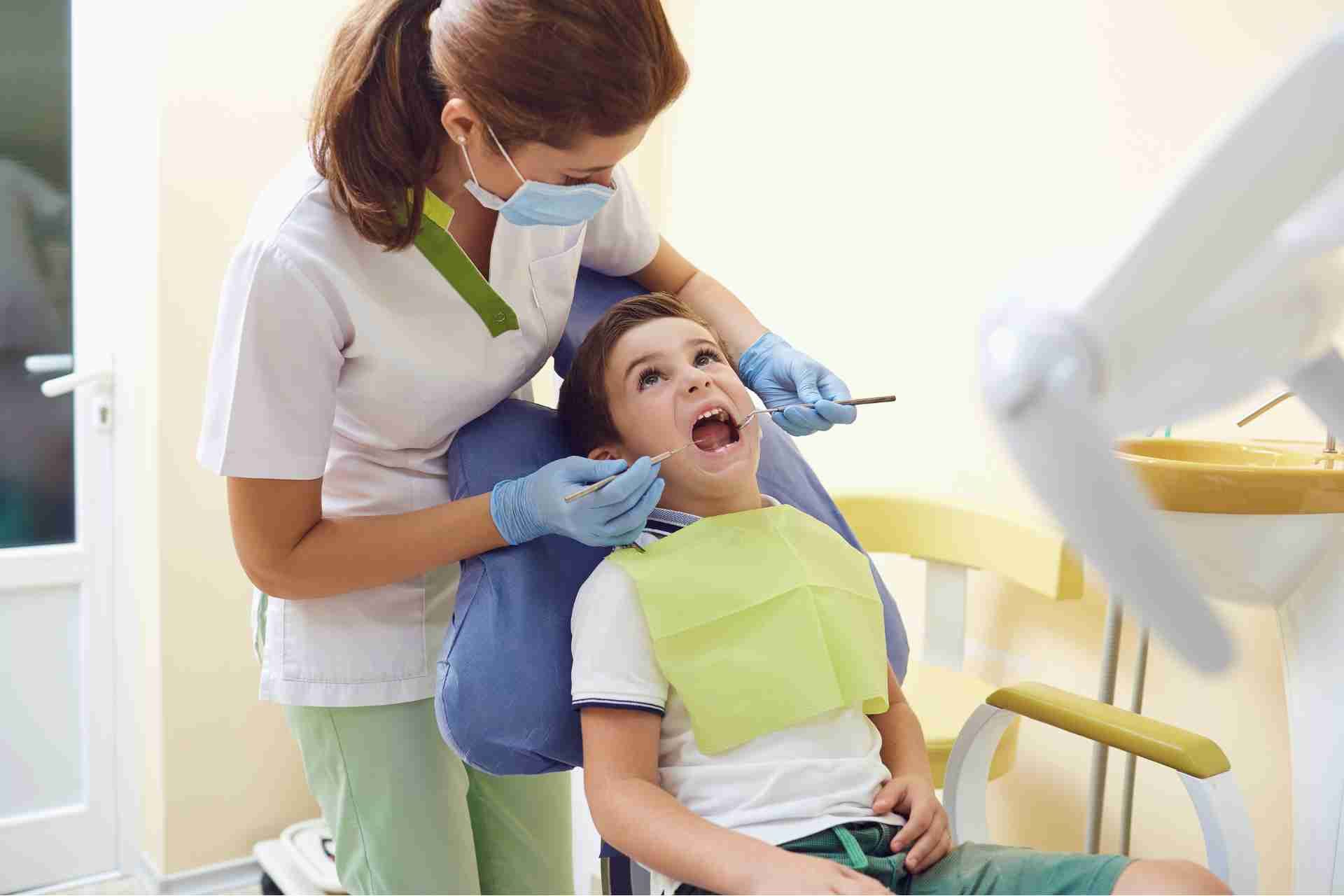
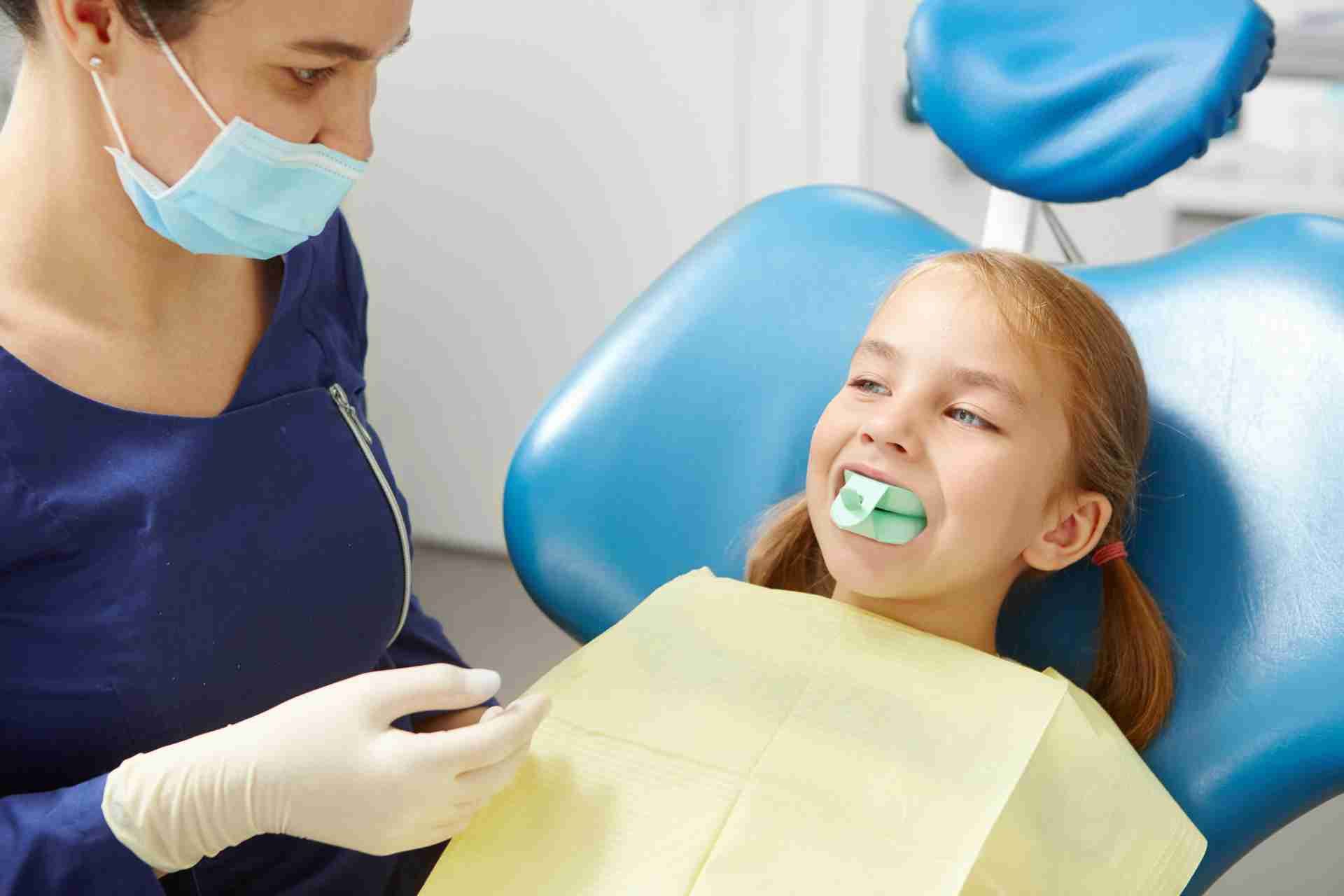
Consider seeking guidance from a dentist to address any concerns about your child's pacifier use and its potential impact on their dental health. A dentist can provide personalized advice based on your child's specific situation. They can assess your child's teeth and jaw development, as well as discuss how pacifier use may be affecting their oral health.
Dentists can offer recommendations on the appropriate age to wean your child off the pacifier and suggest alternative soothing methods. They can also provide tips on proper pacifier usage, such as limiting it to naptime or bedtime only, to minimize any potential dental issues.
If you notice any changes in your child's teeth or bite, such as gaps forming or misalignment, a dentist can evaluate the situation and recommend appropriate interventions. Regular dental check-ups can help monitor your child's oral health and address any concerns promptly.
Don't wait until gaps in your child's teeth have already developed –
schedule a consultation with
Pennington Orthodontics & Pediatric Dentistry today to stay ahead of any potential dental issues. Your child's smile will thank you!