Options for Filling Tooth Gaps
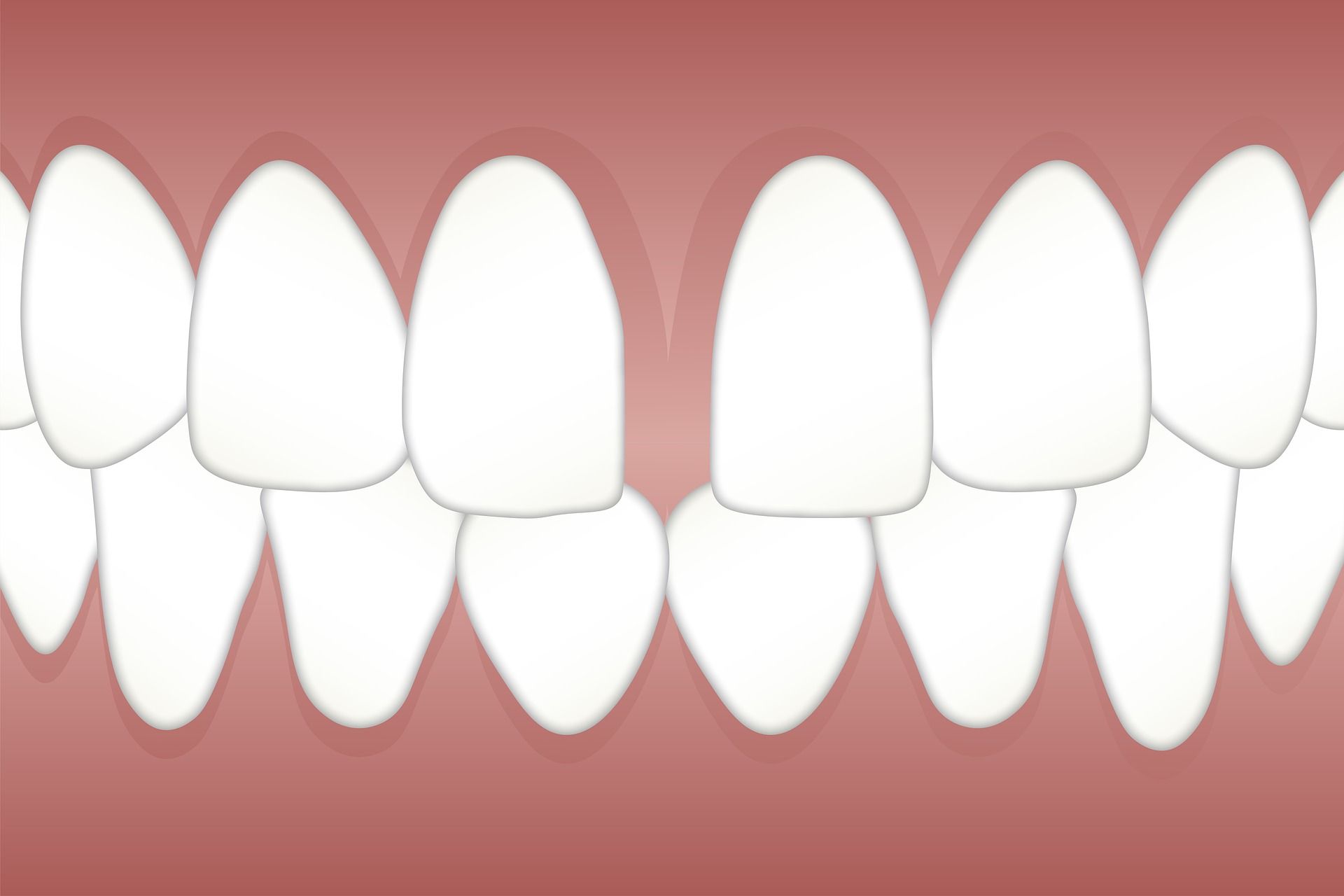
Aside from the obvious cosmetic concerns, tooth gaps can also cause issues with speech and eating. Did you know that according to the American Academy of Implant Dentistry, over 3 million people in the United States have dental implants to replace filling tooth gaps?
If you have a noticeable gap in your teeth, there are a variety of options for filling it that can help improve your smile and overall oral health.
Considering the multitude of options available for filling tooth gaps, it can be overwhelming to decide which one suits your needs best. From quick fixes like dental bonding to more permanent solutions such as dental implants, each option comes with its unique set of benefits and considerations.
Before making a decision, it's crucial to weigh the pros and cons of each method to achieve the ideal outcome for your oral health.
Dental Bonding
When filling tooth gaps through dental bonding, your dentist will use a tooth-colored resin to adhere to your teeth. This resin is carefully applied and shaped to blend seamlessly with your natural teeth, creating a smooth and uniform appearance. The process starts with your dentist roughening the surface of the teeth to be bonded, then applying a conditioning liquid to help the resin adhere properly. Next, the tooth-colored resin is applied and molded into the desired shape to fill the gap effectively. A special light is then used to harden the resin, ensuring it bonds securely to your teeth.
Dental bonding is a quick and relatively simple procedure that can usually be completed in just one visit to the dentist. It's a versatile solution for filling small to moderate gaps between teeth, repairing chipped or cracked teeth, and even improving the appearance of discolored teeth. With proper care, dental bonding can last for several years, providing you with a durable and natural-looking solution for your tooth gaps.
Veneers
To enhance the appearance of your teeth further, consider veneers as a cosmetic solution for addressing various dental imperfections. Veneers are thin shells made from porcelain or composite resin that are custom-made to cover the front surface of your teeth. They can effectively hide gaps between teeth, discoloration, misalignment, and irregular shapes. The process of getting veneers usually requires a few visits to the dentist. During the initial consultation, your dentist will examine your teeth, discuss your goals, and create a treatment plan tailored to your needs.
Next, a small amount of enamel will be removed from the front of your teeth to make space for the veneers. Impressions of your teeth will be taken to ensure the veneers fit perfectly. Once the veneers are ready, they'll be bonded to your teeth using a special adhesive. Veneers are a long-lasting solution that can significantly improve the appearance of your smile and boost your confidence. Remember to maintain good oral hygiene habits to ensure the longevity of your veneers.
Dental Implants
Consider dental implants as a permanent solution for replacing missing teeth and restoring your smile's functionality and aesthetics. Dental implants are titanium posts that are surgically positioned into the jawbone beneath your gums. These implants provide a sturdy foundation for mounting replacement teeth that look, feel, and function like natural teeth.
One significant benefit of dental implants is that they help maintain the bone structure of your jaw. When a tooth is missing, the bone in that area can deteriorate over time. By having a dental implant placed, the bone is stimulated and remains healthy.
Implants also offer stability and security when compared to other tooth replacement options like dentures or bridges. They don't rely on neighboring teeth for support and can help prevent further tooth loss or shifting.
Orthodontic Treatments
Orthodontic treatments, such as braces or aligners, can effectively correct misaligned teeth and improve your smile. If you have tooth gaps caused by misalignment, orthodontic treatment may be a suitable option for you. Braces are a common orthodontic solution that uses brackets and wires to gradually move your teeth into the desired position. They're highly effective in closing gaps between teeth and aligning your smile.
Alternatively, clear aligners offer a more discreet option for straightening teeth. These custom-made trays are nearly invisible and provide a comfortable way to adjust your teeth over time.
During your orthodontic treatment, regular check-ups with your orthodontist will be necessary to monitor your progress and make any adjustments to ensure your teeth are moving correctly. The length of treatment can vary depending on the severity of your misalignment and the type of orthodontic device used. Once your treatment is complete, you'll likely need to wear a retainer to maintain the alignment of your teeth.
Partial Dentures
If you have missing teeth, partial dentures can provide a comfortable and natural-looking solution. Partial dentures are removable dental appliances that can replace one or more missing teeth. They're custom-made to fit your mouth and blend in seamlessly with your existing teeth. These dentures are held in place by clasps that attach to your natural teeth, providing stability and functionality.
One of the benefits of partial dentures is that they not only improve your appearance by filling in gaps but also help maintain the structure of your mouth and prevent your remaining teeth from shifting. They make it easier to chew food, speak clearly, and smile confidently. Additionally, partial dentures are relatively easy to clean and care for, requiring regular brushing and soaking to keep them in good condition.
While getting used to wearing partial dentures may take some time, they're a durable and cost-effective solution for replacing missing teeth. Consult with your dentist to see if partial dentures are the right option for restoring your smile.
When to See a Dentist?
If you're unhappy with the appearance of your smile or experiencing any pain or discomfort due to a gap between your teeth, it's best to schedule an appointment with a dentist. They can assess your individual situation and recommend the best course of action to fill the gap and improve the overall health and appearance of your smile.
Contact
Pennington Orthodontics & Pediatric Dentistry today to schedule a consultation and take the first step towards a more confident and beautiful smile. Let us help you achieve the smile of your dreams!