How Does Invisalign Work
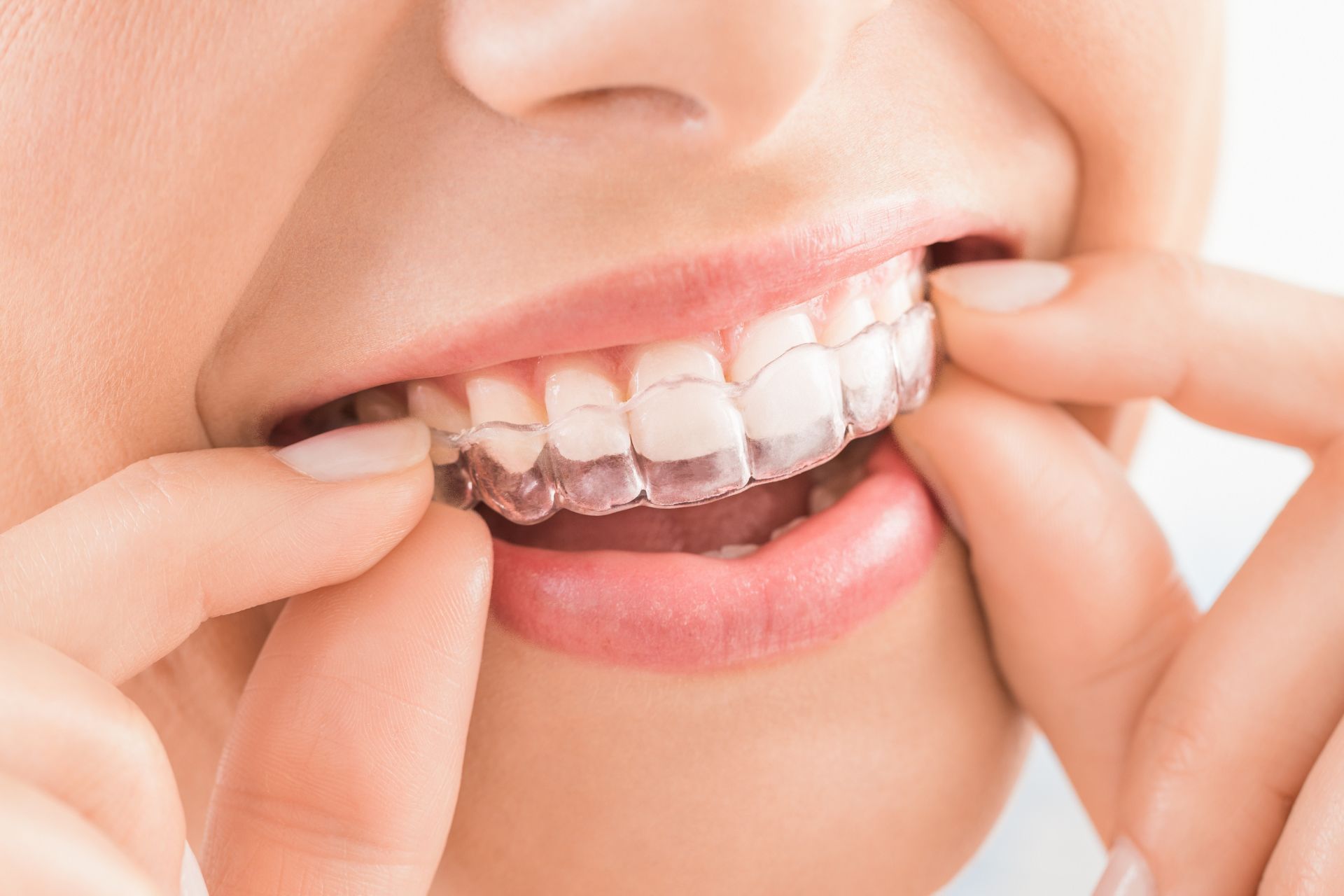
Invisalign is a popular alternative to traditional braces for straightening teeth and achieving a perfect smile. This innovative orthodontic treatment uses clear, custom-made aligners that gradually shift your teeth into the desired position. Unlike metal braces, Invisalign aligners are virtually invisible, making them a discreet option for adults and teens who are self-conscious about wearing braces.
In this blog post, we will explore how does invisalign work to straighten teeth, the benefits of this treatment option, and what to expect during the process. Whether you are considering Invisalign for yourself or a loved one, this post will provide you with all the information you need to make an informed decision about this revolutionary orthodontic treatment.
What is Invisalign?
Invisalign is a series of clear, custom-made aligners that are worn over the teeth to gradually move them into the desired position. These aligners are made of a smooth, transparent plastic material that is virtually invisible when worn. This allows patients to straighten their teeth discreetly, without drawing attention to their treatment.
How Does Invisalign Work?
Invisalign uses a series of clear aligners that are custom-made to fit your mouth. These aligners are made from a smooth and comfortable plastic material that won't irritate your cheeks and gums like metal braces can. Each aligner is worn for about two weeks before being replaced with the next one in the series.
The aligners work by applying gentle pressure to your teeth, gradually shifting them into the desired position. Unlike traditional braces, there are no metal brackets or wires to tighten and adjust. Instead, you simply switch out the aligners every few weeks as your teeth move.
Benefits of Invisalign
One of the biggest benefits of Invisalign is that the aligners are removable, which makes it much easier to maintain good oral hygiene during treatment. With traditional braces, food particles can easily get trapped in the brackets and wires, leading to plaque buildup and an increased risk of cavities. Invisalign aligners can be removed for eating and brushing, allowing you to keep your teeth clean and healthy throughout the treatment process.
Another major benefit of Invisalign is that the treatment is typically faster than traditional braces. While the length of treatment can vary depending on the complexity of your case, most people complete Invisalign treatment in about 12-18 months. This is significantly faster than the 2-3 years it can take to straighten teeth with traditional braces.
Invisalign aligners are also much more comfortable to wear than traditional braces. The smooth plastic aligners are custom-made to fit your teeth perfectly, reducing the risk of irritation and discomfort. Many people find that they can hardly feel the aligners at all, making them easy to wear for 22 hours a day as recommended by orthodontists.
Furthermore, Invisalign aligners allow you to continue eating your favorite foods without any restrictions. With traditional braces, you have to avoid sticky and hard foods that can damage the brackets and wires. With Invisalign, you can simply remove the aligners before eating and enjoy all of your favorite foods without any worries.
The Invisalign Process
Consultation
The first step in the Invisalign process is a consultation with an orthodontist who is trained in Invisalign treatment. During this appointment, the orthodontist will evaluate your teeth and discuss your treatment goals. They will determine if Invisalign is the right treatment option for you.
Treatment Plan
If you are a candidate for Invisalign, the orthodontist will take detailed scans and images of your teeth to create a custom treatment plan. They will show you a digital simulation of how your teeth will move throughout the treatment process and give you an estimated timeline of how long your treatment will take.
Aligner Fitting
Once your treatment plan is finalized, you will receive your first set of aligners. The orthodontist will ensure that they fit properly and will provide you with instructions on how to wear and care for them.
Wear Time
Invisalign aligners should be worn for at least 22 hours a day. They should only be removed for eating, drinking, brushing, and flossing. It is important to wear the aligners as directed to ensure that your treatment progresses on schedule.
Progress Checkups
Throughout your treatment, you will have regular checkup appointments with your orthodontist. These appointments are typically every 6-8 weeks and are used to monitor your progress and make any necessary adjustments to your treatment plan.
Refinements
In some cases, refinements may be needed to achieve the desired results. Refinements are additional sets of aligners that are used to make minor adjustments to the teeth at the end of the initial treatment.
Retainers
Once your treatment is complete, you will be given retainers to wear to maintain the straightness of your smile. Retainers should be worn as directed by your orthodontist to prevent your teeth from shifting back to their original position.
Interested in Invisalign?
If you're interested in learning more about Invisalign and how it can give you the straight and beautiful smile you've always wanted, then look no further than Pennington Orthodontics & Pediatric Dentistry. Our team of experienced orthodontists and dentists are here to help you achieve the smile of your dreams.
Booking a schedule with Pennington Orthodontics & Pediatric Dentistry to discuss Invisalign treatment is easy. Simply give us a call or visit our website to schedule a consultation. During your appointment, we will assess your teeth and discuss your treatment goals to determine if Invisalign is the right option for you.