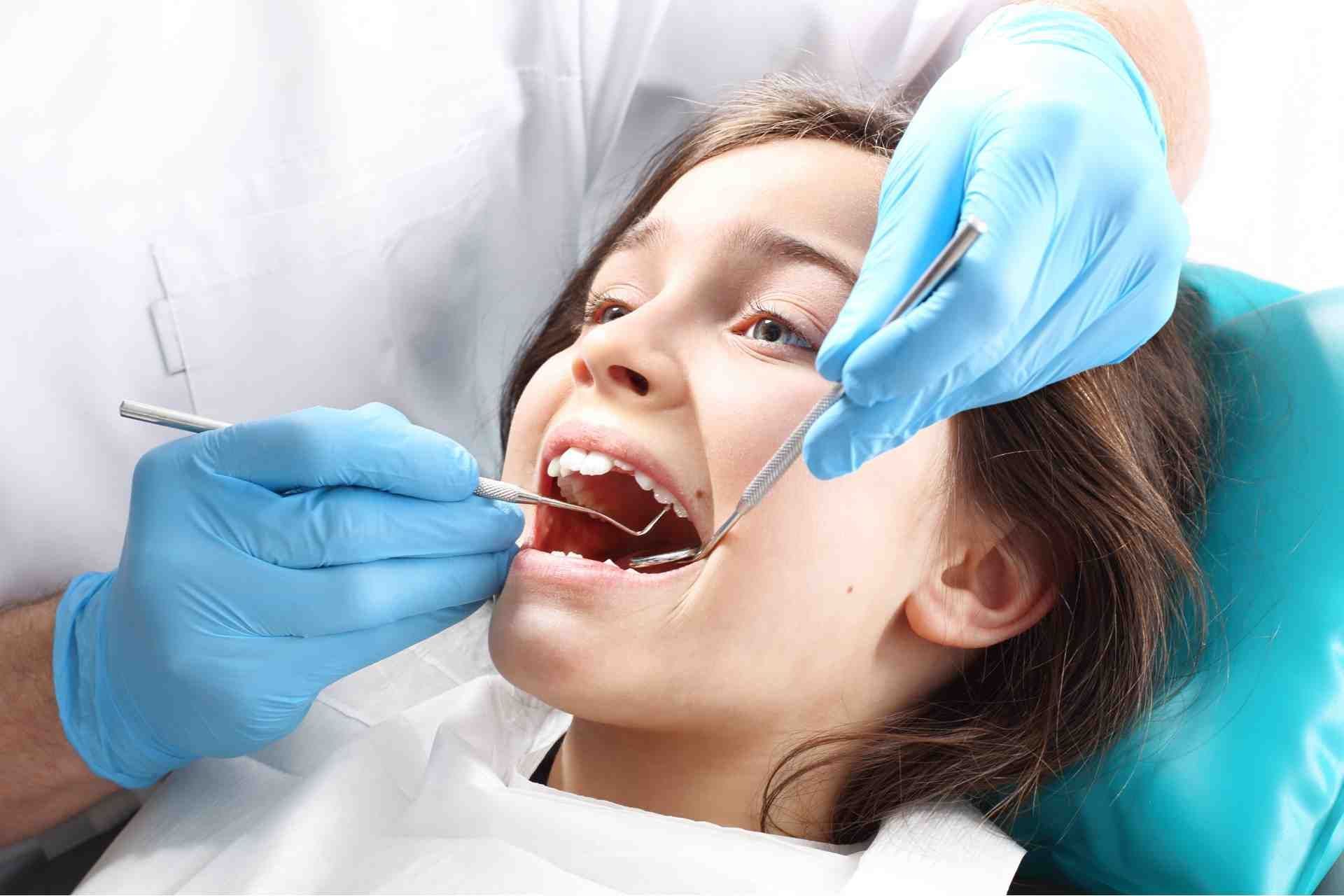
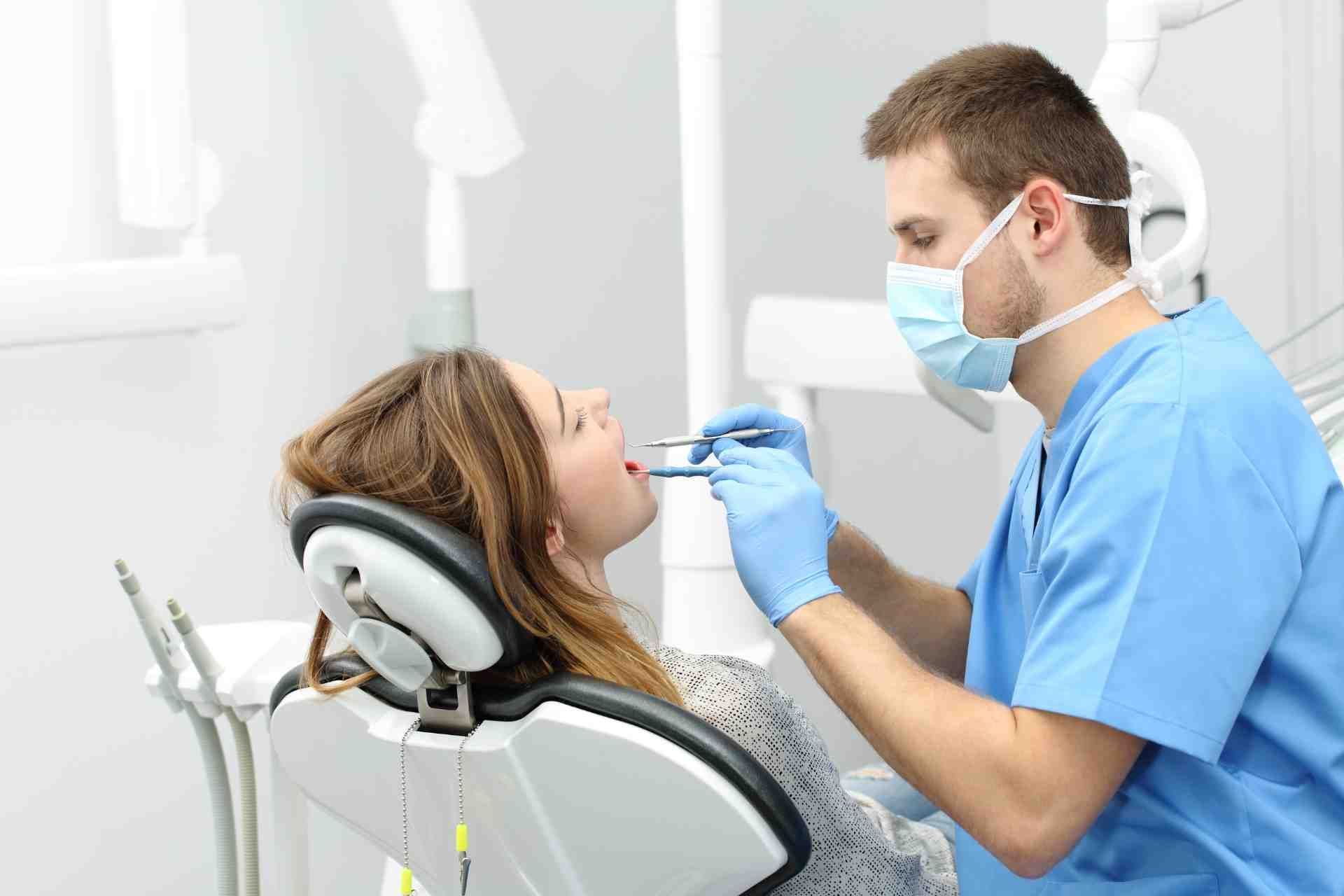
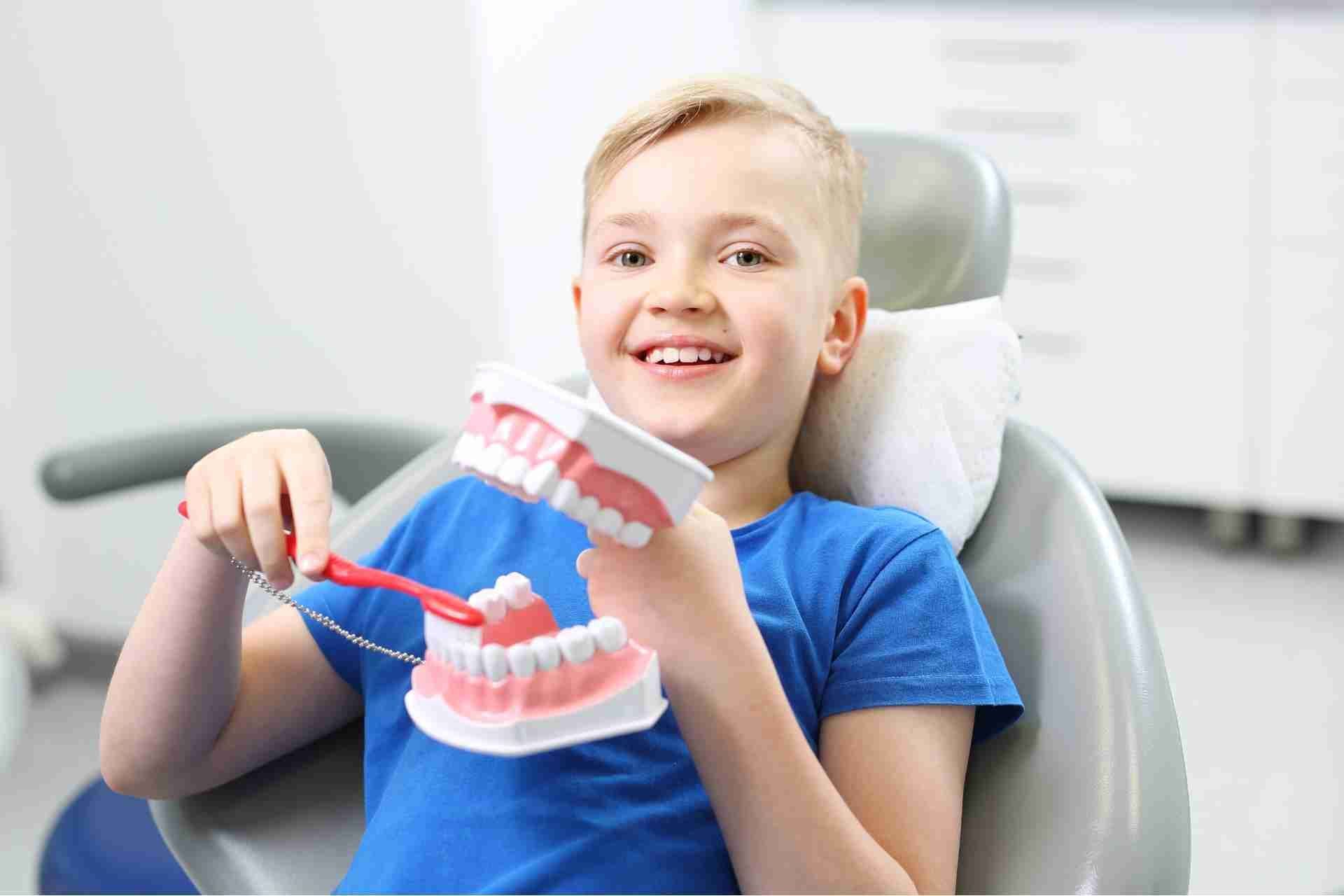
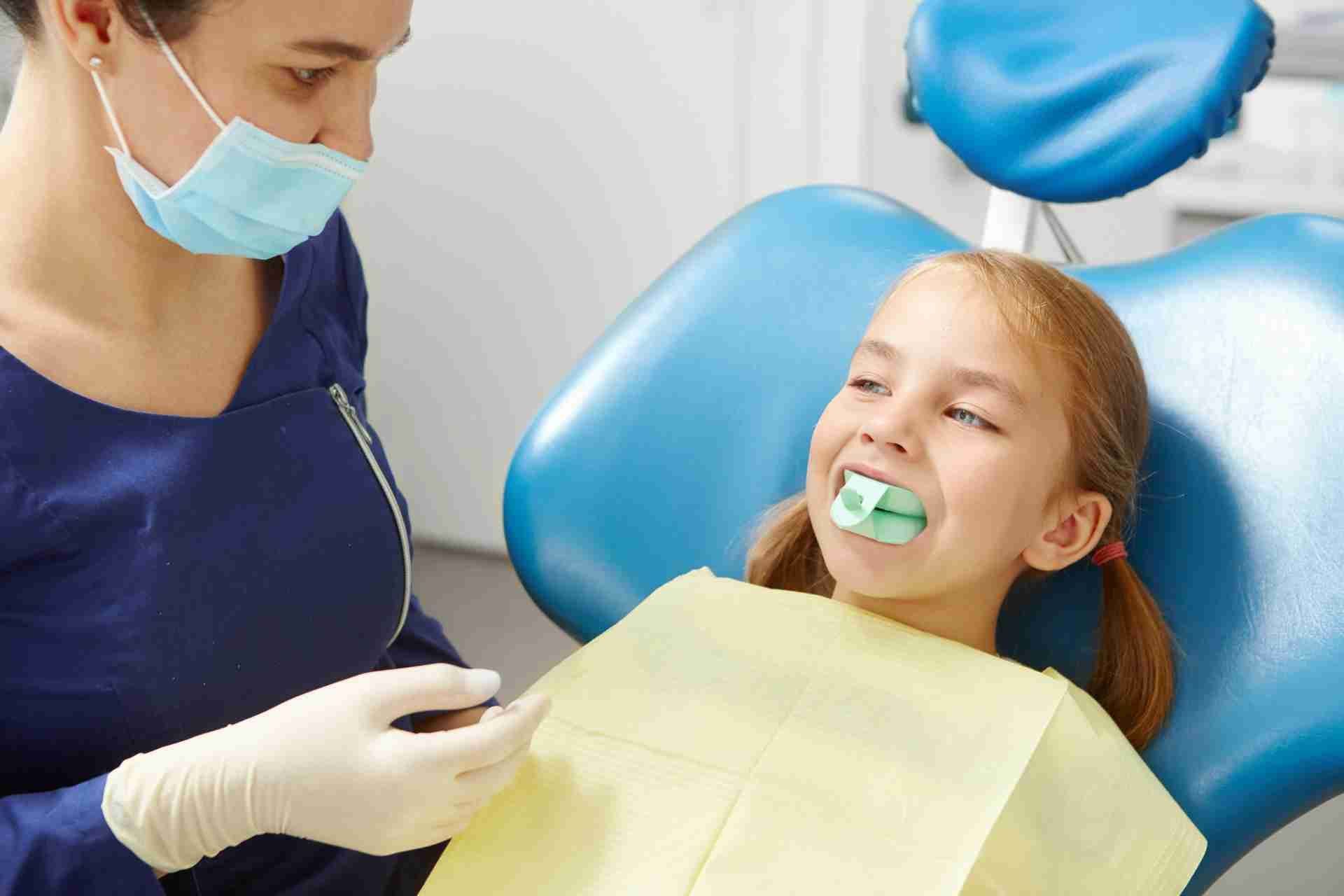
When it comes to dental care for autistic patients, understanding their unique sensory sensitivities is crucial. At Pop Smiles, every detail is thoughtfully designed to create a calming environment. From the lighting to the tools used, it all plays a role in reducing anxiety. But what specific strategies and techniques make this clinic stand out? Let’s explore how these elements come together to foster a more positive dental experience.
Understanding Sensory Sensitivities in Autism
Understanding sensory sensitivities in autism is crucial, especially when it comes to dental care. Many individuals with autism experience heightened reactions to sensory inputs like sounds, lights, and textures.
When you’re in a dental setting, the buzzing of tools and bright overhead lights can be overwhelming. You might notice your child becoming anxious or agitated during a routine check-up.
It's important to recognize that these sensitivities can make dental visits feel like a daunting experience. By being aware of these challenges, you can better prepare your child for appointments.
Communicating openly with the dental team about your child's specific sensitivities can help create a tailored approach, making the experience smoother and more comfortable for everyone involved.
The Importance of a Calming Environment
Creating a calming environment in the dental office can significantly reduce anxiety for individuals with autism. You’ll want to focus on a few key elements: lighting, sound, and decor.
Soft, natural lighting helps create a soothing atmosphere, while minimizing harsh fluorescent lights can prevent sensory overload. Play gentle background music or white noise to mask unsettling sounds from dental equipment.
Consider using calming colors and textures in the waiting area to promote relaxation. Additionally, offering a quiet space where patients can wait away from the hustle and bustle can make a world of difference.
Specialized Training for Dental Staff
A calming environment is only part of the equation in providing sensory-friendly dental care for individuals with autism; specialized training for dental staff plays a vital role as well.
When your dental team understands the unique needs of autistic patients, they can create a more accommodating experience. This training helps staff recognize sensory sensitivities, manage anxiety, and respond to specific behavioral cues.
They learn techniques to ensure comfort, like offering breaks during procedures or using calming language. Additionally, training equips them to handle unexpected reactions with patience and empathy.
With well-trained staff, you’re more likely to see a positive dental visit, making it easier for individuals with autism to receive the care they need without added stress.
Tailored Communication Techniques
How can dental professionals communicate effectively with autistic patients to foster a sense of comfort? Start by using clear, simple language. Avoid jargon, as it can confuse or overwhelm.
Instead of asking open-ended questions, give choices to make decisions easier, like, “Would you like to sit in this chair or that one?” Non-verbal cues matter too; maintain a calm demeanor and smile to convey reassurance.
Be patient and allow extra time for responses, as processing information may take longer. Use visual aids, like pictures or social stories, to help explain procedures.
Lastly, check in frequently to ensure the patient feels comfortable and safe, adjusting your approach as needed. This tailored communication creates a supportive environment for autistic patients.
Sensory-Friendly Tools and Equipment
Dental practices can greatly enhance the experience for autistic patients by incorporating sensory-friendly tools and equipment. For instance, using quieter dental instruments can significantly reduce anxiety, allowing you to feel more at ease.
Soft, adjustable lighting creates a calming atmosphere, while noise-canceling headphones help block out overwhelming sounds. Additionally, textured comfort items, like fidget toys or weighted blankets, can provide a sense of security during appointments.
Implementing visual schedules can also help you understand each step of the process, reducing uncertainty. By prioritizing these sensory-friendly tools, dental offices can create an inviting and supportive environment, making dental visits more pleasant for you and ensuring your needs are met.
Ultimately, this approach fosters trust and comfort in your dental care experience.
Flexible Appointment Scheduling Options
What if you could schedule your dental appointments at times that best suit your needs? With flexible appointment scheduling options, you can do just that.
You’re not restricted to the usual 9 to 5 slots; instead, you can choose early mornings, late afternoons, or even weekends. This adaptability helps reduce stress, making it easier for you and your child to attend appointments.
You’ll also find that accommodating your routine can lead to a calmer experience at the dentist. By selecting a time that aligns with your child’s mood and energy levels, you can ensure they feel more comfortable.
Ultimately, flexible scheduling empowers you to prioritize your child’s needs, setting the stage for a positive dental visit.
Parent and Caregiver Involvement
While navigating dental visits can be overwhelming, involving parents and caregivers in the process significantly eases anxiety for both the child and the provider. You can help by communicating your child’s specific needs and preferences to the dental team.
Share any triggers that might cause discomfort or fear, and discuss coping strategies that have worked in the past. Actively participating in the visit, whether through holding your child's hand or providing reassurance, can create a sense of safety.
Encourage your child to express their feelings before and during the appointment, fostering a sense of control. Your involvement not only helps the dental team provide tailored care but also empowers your child, making future visits more manageable and positive.
Success Stories From Pop Smiles Families
Many families have found success in navigating dental care thanks to the supportive environment at Pop Smiles. Parents often share how their children, previously anxious about dental visits, now look forward to appointments.
The sensory-friendly approach, including calming colors and noise-reducing headphones, creates a welcoming atmosphere that eases anxiety. You’ll hear stories of children who once struggled with simple check-ups now engaging with the staff and even asking questions.
Many parents appreciate the individualized care, allowing their child to take breaks and feel comfortable throughout the process. These positive experiences not only improve dental health but also build confidence in their children.
Pop Smiles truly transforms dental visits into enjoyable moments for families, fostering a sense of community and support.
Conclusion
In conclusion, Pop Smiles offers a unique approach to dental care that truly understands the needs of autistic patients. By creating a calming environment, providing specialized staff training, and using sensory-friendly tools, they make each visit a positive experience. The flexibility in scheduling and involvement of parents ensure that you and your child feel supported throughout the process. With Pop Smiles, you can trust that your child’s dental care will be both gentle and accommodating.