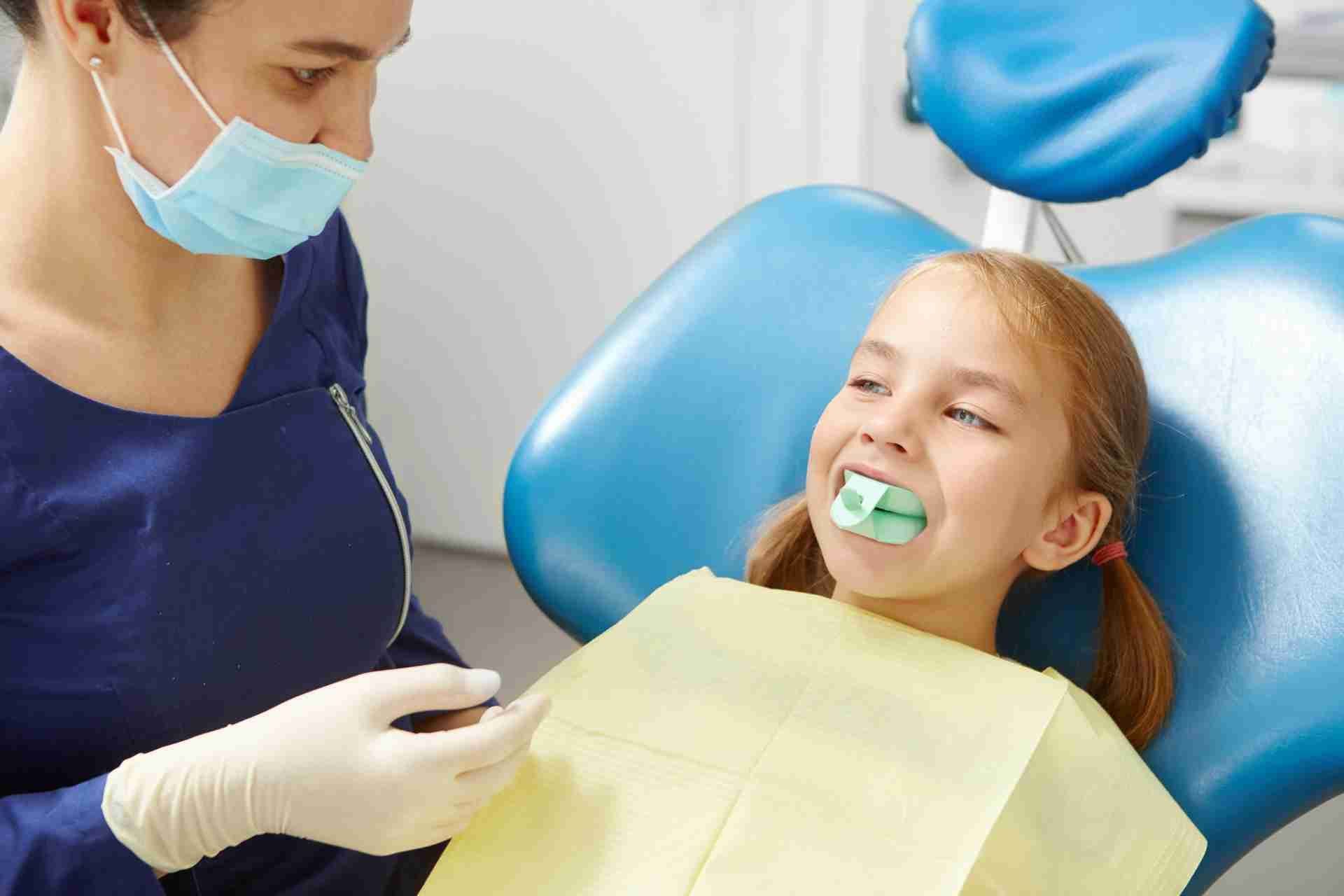
When it comes to children with special needs, pediatric dentists play a crucial role in addressing their unique dental requirements. They understand that each child presents different challenges and that tailored care is essential. By creating a welcoming environment and employing specialized techniques, they can help reduce anxiety during visits. But there's more to their approach than just comfort; it’s about fostering trust and collaboration. Let’s explore how these professionals make a significant impact on their patients' lives.
Understanding the Unique Dental Needs of Children With Special Needs
When it comes to the dental care of children with special needs, understanding their unique requirements is crucial for ensuring optimal oral health. Every child is different, and factors like physical, cognitive, or sensory challenges can affect their dental hygiene and treatment.
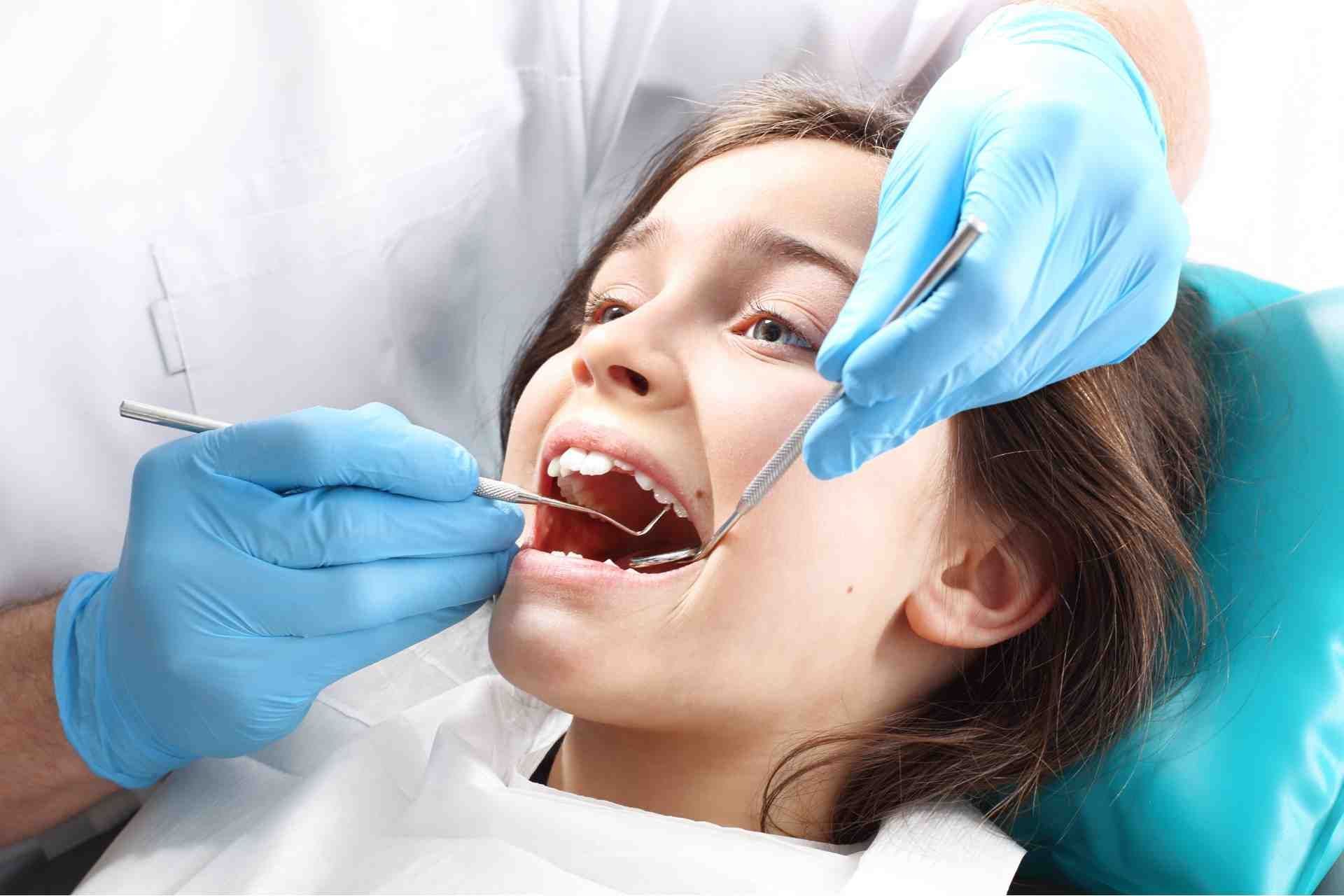
You may notice that some children struggle with anxiety during dental visits or have difficulty communicating their discomfort. It’s important to recognize these challenges and tailor your approach accordingly.
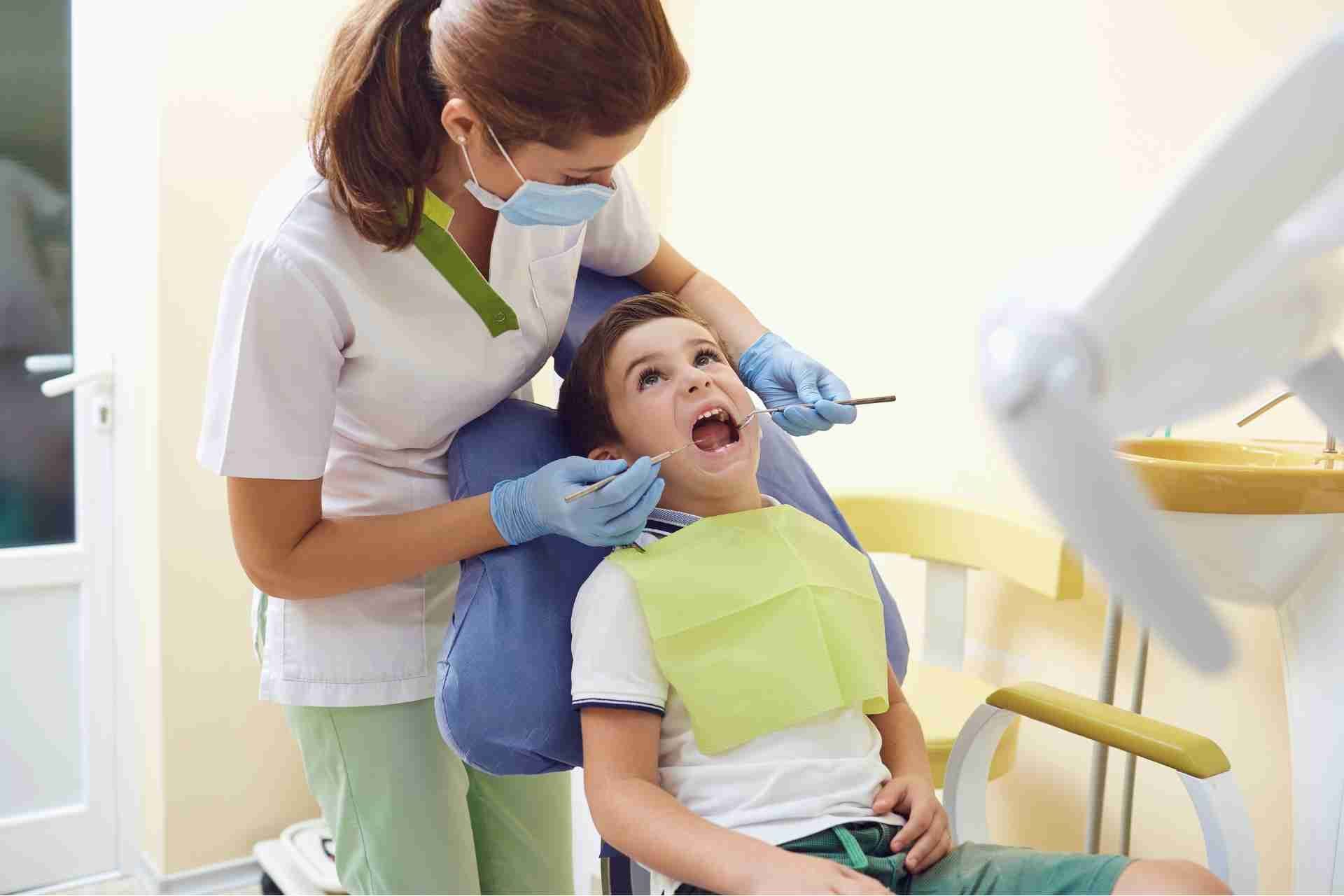
Regular dental check-ups are vital, as children with special needs often face a higher risk of dental issues. You should also be proactive in educating caregivers about proper at-home care techniques.
Creating a Welcoming Environment in the Dental Office
Creating a welcoming environment in the dental office can significantly enhance the experience for children with special needs. Start by ensuring your waiting area is colorful and inviting, filled with toys and books that can keep kids engaged.
Consider using visual aids to explain procedures, making it easier for them to understand what to expect. Your staff should greet families warmly and be trained to communicate effectively with both children and parents.
Offer flexible appointment times to reduce anxiety, and ensure sensory-friendly options, like noise-canceling headphones, are available.
Specialized Techniques for Effective Treatment
To effectively treat children with special needs, pediatric dentists often employ specialized techniques that cater to their unique requirements. They may use behavior management strategies, like positive reinforcement, to create a more comfortable experience.
Utilizing a gentle approach, they adapt their communication style based on the child's level of understanding, ensuring they feel safe. Some dentists incorporate visual aids or social stories to help explain procedures, making them less intimidating.
Additionally, they might use sedation techniques when necessary to minimize anxiety and discomfort. By modifying traditional practices, these dentists can address sensory sensitivities and other challenges, ultimately providing the care each child deserves.
This tailored approach helps ensure that dental visits are as stress-free as possible for both the child and their caregivers.
Building Trust Through Compassionate Communication
Effective communication is essential for building trust with children who've special needs, as it lays the foundation for a positive dental experience.
You can start by using simple language and clear instructions, ensuring the child understands what’s happening. Pay attention to their non-verbal cues; a smile or gentle touch can go a long way in easing anxiety.
It’s crucial to be patient, allowing them time to express their feelings. Validate their emotions and reassure them that it’s okay to feel nervous.
Collaborating With Families for Better Outcomes
While navigating the complexities of dental care, collaborating with families can significantly enhance outcomes for children with special needs. When you engage parents and caregivers in the treatment process, you gain valuable insights into their child's unique needs and preferences.
This partnership allows you to tailor your approach, ensuring a more comfortable experience for the child. Encourage open communication, and invite families to share their concerns and goals.
By developing a care plan together, you empower them to be active participants in their child's dental health journey. Regular follow-ups and feedback loops can further strengthen this collaboration, making it easier to adapt as the child grows.
Ultimately, working hand-in-hand with families leads to improved trust, compliance, and overall success in dental care.
Working With Other Healthcare Providers
Collaborating with other healthcare providers is crucial for delivering comprehensive care to children with special needs. By working closely with pediatricians, therapists, and specialists, you can create a holistic approach that addresses all aspects of a child's health.
Sharing information about a child's medical history, medications, and specific needs ensures everyone is on the same page. This teamwork helps identify potential dental concerns early on and allows for tailored treatment plans.
When you maintain open lines of communication, you foster a supportive network that benefits the child and their family. Don't hesitate to reach out and schedule regular meetings with other providers to discuss progress and challenges, ensuring the best possible outcomes for these children.
Promoting Preventive Care and Education
To ensure children with special needs maintain optimal oral health, promoting preventive care and education is essential. As a caregiver, you play a crucial role in this process.
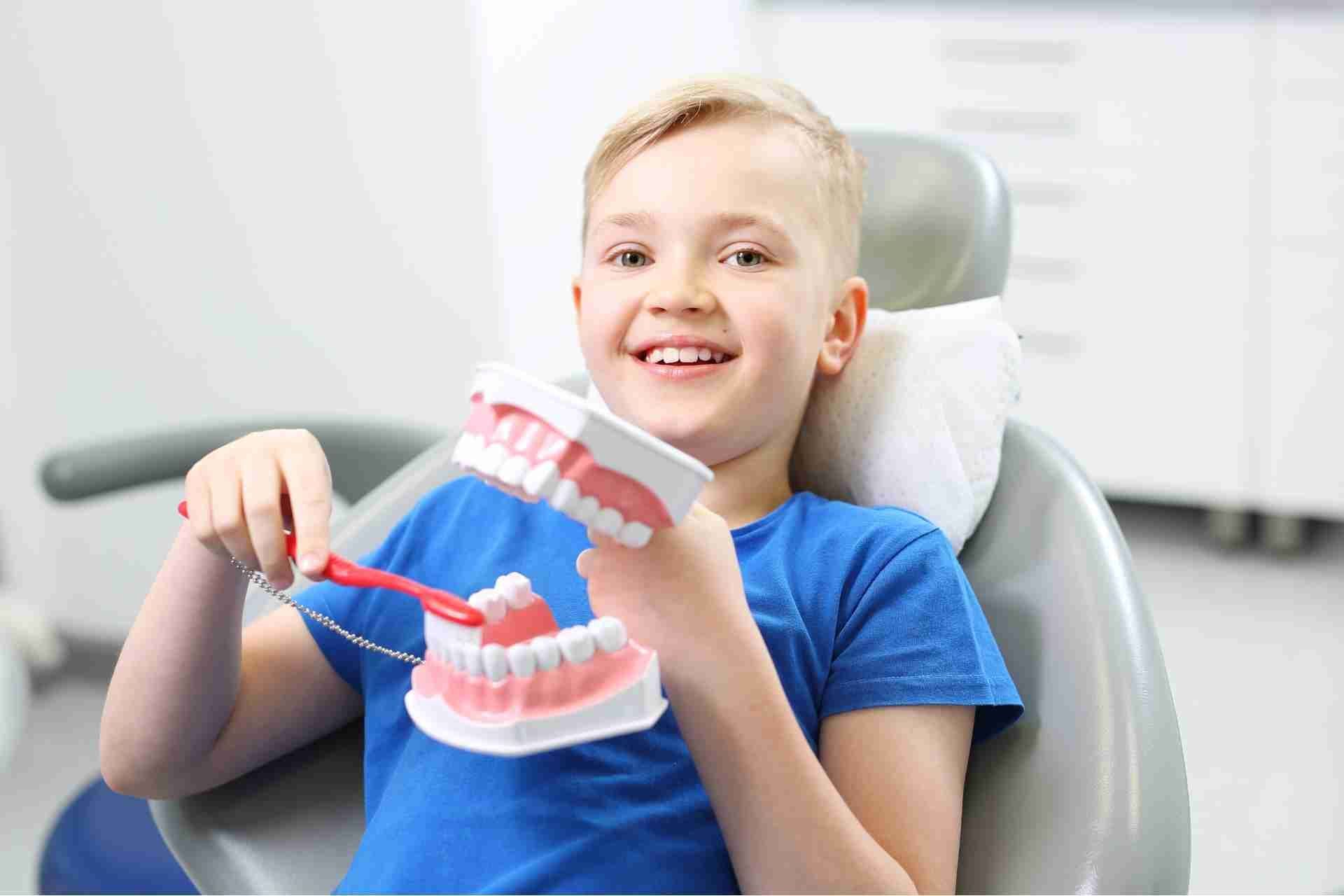
Start by establishing a consistent oral hygiene routine that includes brushing and flossing at least twice a day. Use visual aids and social stories to make these tasks enjoyable and understandable for your child.
Regular dental check-ups are vital too; they help catch potential issues early. Don’t hesitate to ask your pediatric dentist about tailored resources and strategies that suit your child's unique needs.
Conclusion
In conclusion, pediatric dentists are essential in supporting children with special needs by addressing their unique dental requirements. By creating a welcoming environment and using specialized techniques, they help reduce anxiety and foster trust. Collaborating closely with families and other healthcare providers ensures that each child receives personalized care and preventive education. This comprehensive approach not only promotes optimal oral health but also enhances the overall well-being of these children, making dental visits a positive experience for them and their families.